
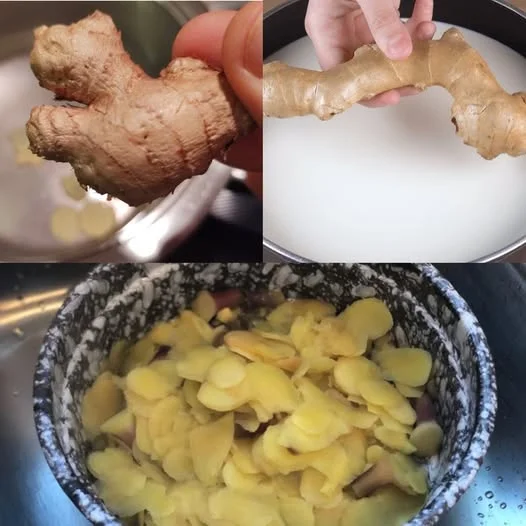
For centuries, natural remedies and herbal infusions have formed the backbone of holistic wellness traditions around the world. Among these, the combination of fresh ginger root and warm milk stands out as one of the most soothing, aromatic, and comforting beverages you can make at home. Whether enjoyed as a comforting evening drink to promote relaxation or brewed as a fiery morning elixir to invigorate the senses, boiling ginger in milk yields a uniquely rich texture and flavor profile that water-based teas simply cannot match.
While many people are familiar with ginger tea or golden turmeric milk, simmering sliced fresh ginger directly in milk unleashes a harmonious blend of spicy heat and creamy richness. Beyond its delicious taste, this traditional preparation unlocks a variety of digestive, anti-inflammatory, and comforting benefits that have made it a beloved staple in traditional holistic practices across Asia and beyond.
In this ultimate guide, we explore the history, science, health advantages, and proper culinary techniques behind making ginger milk, alongside practical kitchen tips, interesting botanical facts, and answers to common home brewing questions.
The Science Behind Ginger and Milk: How It Works
To understand why boiling ginger in milk works so well, it helps to examine the active chemical compounds inside fresh ginger root (Zingiber officinale) and how they interact with dairy or plant-based fats.
Ginger contains bioactive compounds known as gingerols and shogaols. Gingerols are responsible for fresh ginger’s signature pungent heat and sharp aroma. When heat is applied—such as boiling or simmering—gingerols undergo a chemical transformation into shogaols, which are significantly sweeter, spice-forward, and possess potent antioxidant properties.
When ginger is simmered directly in water, these sharp compounds can sometimes produce a harsh, astringent throat bite. However, simmering ginger in milk changes the chemical dynamic in two major ways:
Fat-Soluble Flavor Extraction: Essential oils in ginger are fat-soluble. The lipids (fats) naturally present in whole milk or coconut milk absorb these aromatic compounds smoothly, mellowing out the harshness while preserving the deep spicy flavor.
Proteins Mellow the Heat: Milk proteins, specifically casein, bind to the spicy compounds in ginger, rounding out the sharp edge and delivering a smooth, velvety finish across the palate.
Health and Wellness Benefits of Fresh Ginger Milk
Incorporating warm ginger milk into your daily routine offers far more than just culinary pleasure. Here are some of the primary reasons health-conscious individuals and traditional herbalists praise this warm beverage:
Soothes Digestive Discomfort
Ginger is world-renowned for its ability to support gastrointestinal motility. It aids in speeding up gastric emptying, alleviating bloating, reducing nausea, and calming stomach cramps. Consuming warm ginger milk after a meal can encourage smoother digestion.
Natural Anti-Inflammatory Properties
The active gingerols in fresh ginger root exert strong anti-inflammatory effects in the body. Regular consumption can help ease joint stiffness, soothe muscle soreness after workouts, and support overall joint mobility.
Supports Immune Health and Cold Relief
When seasonal sniffles strike, warm ginger milk acts as a comforting decongestant. The warming spice stimulates circulation, helps clear sinus passages, and provides temporary relief for dry, irritated throats.
Promotes Relaxation and Better Sleep
While caffeine-laden coffee or green tea can disrupt sleep cycles, a hot cup of warm, spiced milk acts as a gentle bedtime ritual. Milk contains tryptophan—an amino acid that assists in melatonin synthesis—which works in harmony with ginger’s calming warmth to relax the body before rest.
Step-by-Step: How to Boil Fresh Ginger in Milk Properly
Making ginger milk requires careful temperature management to prevent curdling, as the natural enzymes in raw ginger can cause milk proteins to clump if heated incorrectly. Follow this simple guide for a silky-smooth finish:
Ingredients Needed:
2 cups of whole milk (or full-fat plant milk like coconut or oat milk)
1 to 2 inches of fresh ginger root, thinly sliced or gently crushed
1 to 2 teaspoons of honey, pure maple syrup, or raw sugar (optional)
A pinch of ground cinnamon or cardamom (optional)
Step-by-Step Instructions:
Prep the Ginger: Wash and thinly slice your fresh ginger root into round discs. Crushing the slices lightly with the flat side of a knife helps release essential oils without releasing excess starch.
Combine and Simmer: In a small saucepan, combine the sliced ginger and cold milk. Place the pot over low-to-medium heat.
Gentle Heat is Key: Slowly bring the mixture to a gentle simmer—do not bring it to a violent, rolling boil, as extreme rapid boiling can cause dairy milk to curdle or scorch at the bottom of the pan.
Infuse for 10 to 15 Minutes: Allow the ginger to gently infuse into the warm milk over low heat for 10 to 15 minutes, stirring occasionally.
Strain and Sweeten: Pour the milk through a fine-mesh sieve into your favorite mug to catch the ginger slices. Stir in honey or sweetener to taste, top with a dusting of cinnamon, and serve hot!
Practical Kitchen Tips and Flavor Variations
Customizing your home-brewed ginger milk allows you to tailor the flavor to your personal preferences or specific dietary needs:
Preventing Curdling: If using dairy milk, ensure the milk is heated slowly alongside the ginger rather than dropping raw ginger juice into boiling hot milk. Alternatively, using non-dairy coconut milk, almond milk, or oat milk entirely eliminates the risk of protein curdling.
Golden Ginger Milk: Add 1/2 teaspoon of ground turmeric and a tiny pinch of crushed black pepper to your simmering pot to transform your beverage into a potent, golden anti-inflammatory tonic.
Spiced Masala Milk: Combine sliced ginger with whole green cardamom pods, crushed cloves, and a small cinnamon stick for a spiced chai-inspired drink without caffeine.
Economic and Household Benefits of Fresh Root Infusions
Using whole, fresh spices like ginger root fits exceptionally well into smart household management and grocery budgeting:
Cost-Effective Herbal Remedies
Fresh ginger root is one of the most affordable produce items in local supermarkets. Buying fresh ginger in bulk offers a much higher concentration of active gingerols per dollar compared to expensive store-bought tea bags or supplement pills.
Long Shelf-Life and Easy Storage
Fresh ginger roots can be stored in the refrigerator for weeks, or sliced and frozen in airtight containers for months, ensuring you always have natural ingredients ready for cooking or brewing.
Sustainable and Zero Waste
After straining your ginger slices from the milk, leftover cooked ginger can be repurposed into stir-fry bases, vegetable broths, or candied ginger sweets rather than thrown into food waste.
Fascinating Facts About Ginger
Ancient Culinary History: Ginger is one of the earliest cultivated spices in human history, originating in Maritime Southeast Asia before spreading along ancient trade routes to India, China, and the Mediterranean thousands of years ago.
Ginger Milk Curd Dessert: In Southern Chinese cuisine (specifically Guangdong province), a famous traditional dessert called “Ginger Milk Curd” relies on a natural enzymatic reaction between fresh ginger juice and hot milk to set the liquid into a silky, sweet custard without eggs or gelatin.
Botanical Cousins: Ginger belongs to the Zingiberaceae plant family, making it a close botanical cousin to other power-packed spices like turmeric, cardamom, and galangal.
Conclusion: Embrace the Comfort of Fresh Ginger Milk
In a fast-paced modern environment full of synthetic supplements and complex energy drinks, returning to simple, natural, time-tested food rituals provides immediate comfort. Boiling fresh ginger in milk combines ancient herbal wisdom with pure, creamy indulgence.
Whether you need a soothing digestive aid after a heavy dinner, a caffeine-free nightcap to unwind, or a warming boost during cold winter days, a hot cup of fresh ginger milk is a simple kitchen luxury anyone can master.
Frequently Asked Questions (FAQ)
Why does ginger milk sometimes curdle?
Raw ginger contains a protease enzyme called zingipain, which breaks down milk proteins (casein) and causes curdling if added directly to scalding hot milk. To prevent curdling, heat the milk and sliced ginger together slowly over low heat, or use plant-based milk alternatives like coconut milk.
Can I use powdered ground ginger instead of fresh ginger?
While ground ginger works in a pinch, fresh ginger provides a superior aroma, fresher heat, and higher levels of gingerols. If using ground ginger, use roughly 1/2 teaspoon per cup of milk and whisk thoroughly.
Is ginger milk safe to drink every day?
Yes, for most healthy individuals, drinking a cup of ginger milk daily is completely safe and beneficial. However, individuals taking blood-thinning medications or those with severe acid reflux should consult a healthcare professional regarding high daily ginger intake.
Can I make ginger milk ahead of time and store it in the fridge?
Yes! You can strain the prepared ginger milk into a clean glass jar and refrigerate it for up to 2 days. Simply reheat gently on the stovetop or in the microwave before drinking.
Which type of milk works best for ginger milk?
Whole dairy milk creates the traditional rich texture, but full-fat coconut milk and creamy oat milk are outstanding plant-based substitutes that complement the spicy heat of fresh ginger exceptionally well.
