
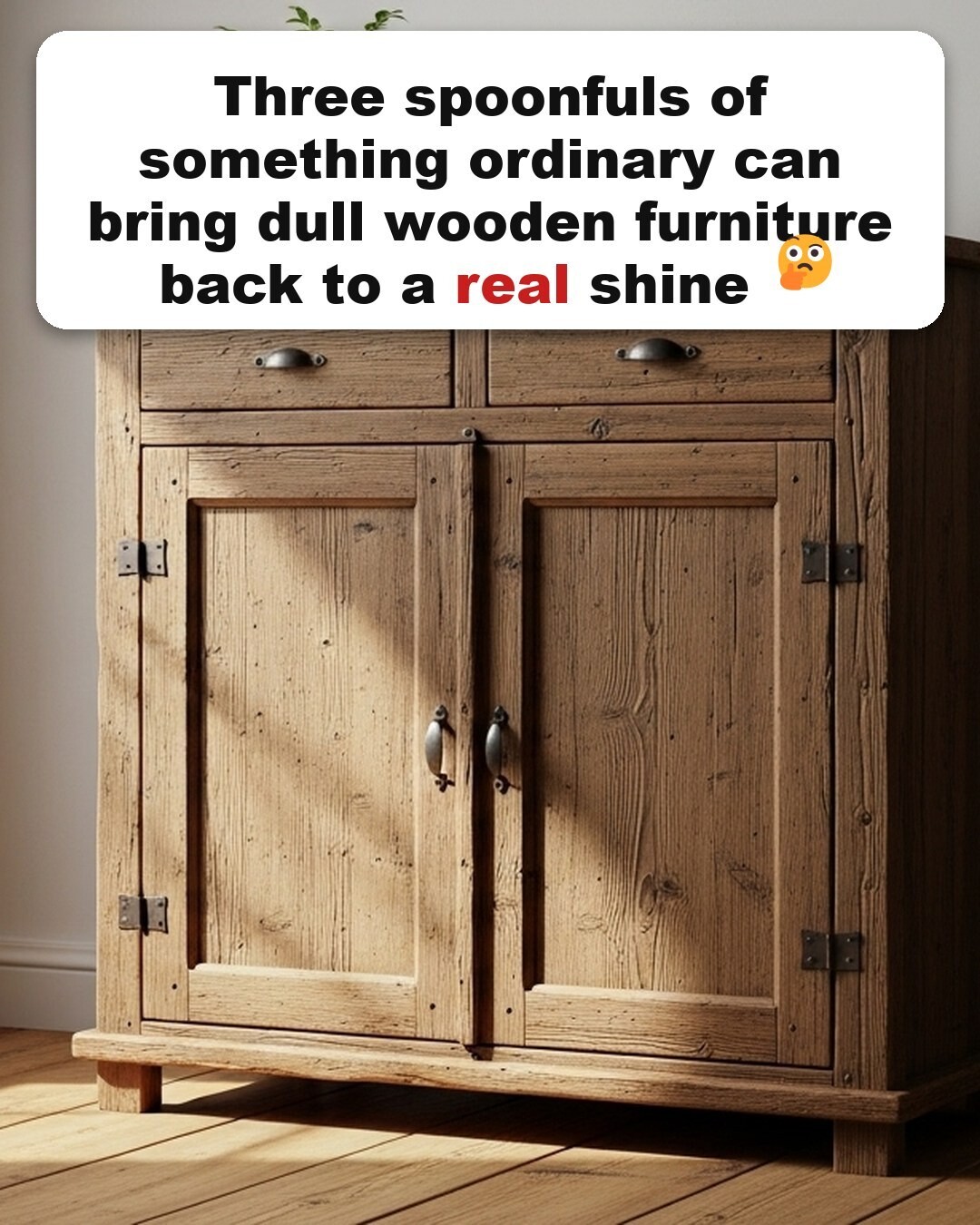
Wooden furniture brings timeless warmth, rich character, and enduring elegance to any living space. However, over years of daily exposure to sunlight, dry indoor air, and general household dust, fine wood finishes can gradually lose their original luster. Dried-out wood surfaces often end up looking faded, dull, and prone to fine surface scratches. While expensive commercial polishes promise fast restoration, many contain harsh synthetic silicones or artificial chemicals that leave greasy residue and build up over time.
Fortunately, restoring the rich depth and natural shine of solid wood furniture doesn’t require high-end refinishing services. Using simple pantry ingredients like olive oil, beeswax, or coconut oil, you can create a natural, nourishing wood polish at home. Learning how to properly condition, clean, and protect raw or finished wood surfaces revives aging heirlooms and keeps your home looking beautiful naturally.
The Science of Wood Conditioning: Moisture vs. Protection
Wood is a porous, organic material that naturally expands and contracts in response to ambient humidity levels. Understanding how natural oils and waxes interact with wood fibers explains why home remedies work so effectively.
Hydration and Lipid Absorption
Dry wood loses its natural moisture and cellular oils, leading to a hazy, faded appearance. Applying natural plant oils (such as olive oil, jojoba oil, or mineral oil) penetrates deep into the porous grain structure. These lipids rehydrate dried wood fibers, darkening muted grain patterns and restoring vibrant warmth.
Sealing with Natural Waxes
While oils hydrate the wood from within, they require a protective top layer to lock in moisture and prevent surface evaporation. Incorporating natural waxes like beeswax or carnauba wax creates a breathable, water-resistant barrier. Buffing the cured wax layer fills minor micro-scratches and delivers a smooth, radiant sheen without synthetic build-up.
+—————————+———————————–+———————————–+
| Natural Polish Component | Primary Chemical Function | Main Surface Benefit |
+—————————+———————————–+———————————–+
| Plant Oils (Olive/Coconut)| Deep lipid absorption & hydration | Restores rich color & wood grain |
| Lemon Juice / Vinegar | Mild acid degreaser & cleaner | Removes surface buildup & dirt |
| Beeswax / Carnauba Wax | Protective moisture barrier | Long-lasting shine & scratch protection|
+—————————+———————————–+———————————–+
Step-by-Step Guide: Making and Applying Homemade Wood Polish
Creating a non-toxic, eco-friendly wood conditioner at home requires only three basic ingredients and a few minutes of prep time.
Method 1: The Fast Oil & Lemon Polish (For Quick Shine)
Combine 3 tablespoonfuls of high-quality extra virgin olive oil (or food-grade mineral oil) with 1 tablespoon of freshly squeezed lemon juice in a small glass container.
Mix thoroughly until the liquid emulsifies into a smooth blend.
Apply a small amount to a clean, lint-free microfiber cloth and rub gently along the natural grain of the wood.
Allow it to sit for 5 to 10 minutes, then buff thoroughly with a dry cloth to reveal a soft, natural shine.
Method 2: The Nourishing Beeswax Salve (For Long-Lasting Restoration)
Melt 3 tablespoonfuls of natural grated beeswax with 3/4 cup of carrier oil (such as mineral oil or jojoba oil) in a double boiler over gentle heat.
Once completely melted, pour the liquid mixture into an airtight tin or glass jar and let it cool into a smooth salve.
Scoop a small amount with a soft cloth, apply evenly over dry wood surfaces, let it absorb for 20 minutes, and buff vigorously for a deep, high-gloss shine.
Important Wood Care Guidelines and Surface Safety Tips
While natural remedies offer fantastic, low-cost results, taking basic precautions ensures long-term preservation across different furniture finishes.
Always Test on a Hidden Spot: Before applying homemade polish across an entire tabletop or cabinet face, test a small patch on an inconspicuous area (like the back of a cabinet leg) to verify color compatibility.
Avoid Excessive Water Usage: Never use soaking wet cloths to clean unsealed or vintage wood surfaces, as excess moisture can cause grain raising, warping, or dark water stains.
Buff Away Extra Residual Oil: Thoroughly buffing after application is key. Leaving excess unabsorbed oil on wood surfaces can attract floating dust particles and leave fingerprints.
Avoid Food-Based Vegetable Oils on Unsealed Pieces: Unrefined oils like standard corn or canola oil can oxidize or go rancid over extended periods if left unbuffered in hot environments. Opt for stable choices like mineral oil or beeswax blends.
Economic and Environmental Benefits of DIY Wood Care
Choosing natural, homemade furniture polishes supports sustainable living while protecting household maintenance budgets.
Cost Savings Over Commercial Aerosols
Commercial aerosol sprays and specialty paste waxes often come with premium retail price tags. Making your own wood conditioner using basic kitchen staples costs pennies per use, helping lower annual home maintenance expenses.
Eco-Friendly Indoor Air Quality
Many commercial aerosol polishes contain volatile organic compounds (VOCs), artificial fragrances, and propellants that linger in indoor air. Natural oil-and-wax formulations eliminate chemical fumes, creating a safer, non-toxic environment for children and pets.
Fascinating Historical Facts About Wood Restorations
Ancient Egyptian Beeswax Preservatives: Craftsmen in Ancient Egypt used raw beeswax coatings to seal wooden sarcophagi, furniture, and decorative items—many of which survived intact for thousands of years!
The French Polishing Technique: Developed in the 18th century, “French polishing” involves applying multiple thin layers of shellac using a friction rub, producing an ultra-reflective mirror-like surface on fine antiques.
Hygroscopic Nature of Wood: Wood remains “alive” even after being processed into furniture, continually absorbing and releasing ambient air moisture based on indoor humidity changes.
Conclusion
Restoring dry, dull wooden furniture to a vibrant, polished shine doesn’t require complex tools or harsh chemicals. By leveraging simple, natural ingredients like olive oil, lemon juice, or beeswax, you can deeply nourish dried wood fibers, seal out surface moisture, and highlight rich wood grains. Incorporating simple DIY conditioning into your routine keeps your home decor looking beautiful, radiant, and timeless for years to come.
Frequently Asked Questions (FAQ)
Can I use olive oil to polish wooden furniture safely?
Yes! Olive oil is a great short-term natural conditioner for finished wood. To prevent long-term sticky residue, blend it with a mild natural acid (like lemon juice) and always buff away any unabsorbed oil with a clean, dry microfiber towel.
How often should I apply natural polish to my wood furniture?
Conditioning wooden furniture once every 3 to 6 months is typically sufficient to maintain optimal moisture balance and protection. Over-polishing can cause buildup, so less is often more!
What is the difference between wood cleaning and wood conditioning?
Wood cleaning removes surface dirt, dust, and grease buildup using a damp cloth or mild soap. Wood conditioning penetrates deeper to restore lost moisture, lipids, and protective surface gloss.
Is natural polish safe for antique furniture?
Natural beeswax and mineral oil salves are widely used on antique wood because they nourish dried surfaces without introducing harsh chemicals. However, always test a tiny hidden area first to check how antique finishes react.
