
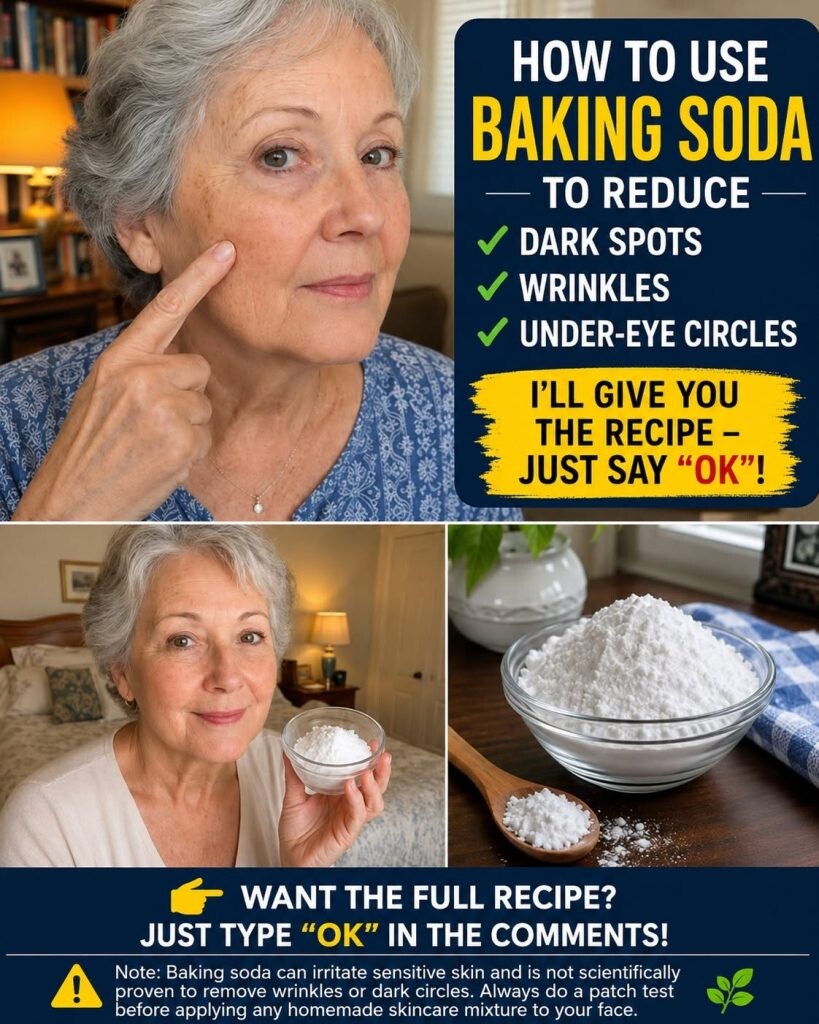
The internet is full of viral DIY skincare hacks promising quick fixes for hyperpigmentation, stubborn age spots, fine lines, and under-eye circles. Among these trending home remedies, one household staple consistently takes center stage: baking soda. Popular online tutorials and social media posts often praise simple sodium bicarbonate mixtures as cheap, accessible miracles for clear skin. However, before applying any kitchen ingredient directly to your face, it is essential to look beyond viral claims and examine the dermatological science behind it. Understanding how your skin reacts to home remedies is key to protecting your facial barrier while achieving a radiant, youthful complexion.
When dealing with dark spots, hyperpigmentation, or age-related skin concerns, selecting safe and effective treatments is paramount. Misinformation can lead to painful skin reactions, chronic dryness, or severe hyperpigmentation. In this comprehensive guide, we will explore the truth about baking soda for skin, examine the science of facial pH balance, discuss clinically proven alternatives, and outline effective skincare investments that deliver real, lasting results without risking your health.
Understanding the Viral Baking Soda Trend
Baking soda, chemically known as sodium bicarbonate, is a popular DIY ingredient due to its mild abrasive texture and natural alkaline properties. In cooking, it acts as a leavening agent; in home cleaning, it functions as an effective scrubbing powder and odor absorber. Because of these versatile uses, DIY beauty enthusiasts often assume baking soda can double as a powerful facial exfoliator to scrub away dead skin cells and lighten dark spots.
The logic behind the DIY baking soda mask seems simple on the surface: physical exfoliation removes top layers of dull skin, which theoretically reveals fresh, brighter skin underneath. However, facial skin is far more delicate than the rest of the human body. What works as an abrasive cleanser for kitchen counters can severely damage the fragile moisture barrier protecting your face.
The Chemistry of Your Skin Barrier: Why pH Balance Matters
To understand why applying baking soda to your skin can be risky, you must first understand your skin’s natural pH level. The outer layer of human skin, known as the acid mantle, typically sits at an acidic pH range between 4.5 and 5.5. This slight acidity serves several vital protective functions:
Maintaining optimal hydration and moisture retention.
Neutralizing harmful bacteria and external pathogens.
Protecting skin proteins and lipids from environmental degradation.
Supporting natural enzymatic exfoliation and cellular renewal.
Baking soda, on the other hand, is strongly alkaline, boasting a high pH level around 9. Applying an alkaline substance directly to acidic skin causes an immediate, drastic disruption of the skin barrier.
What Happens When You Disrupt Your Acid Mantle?
When you strip away your skin’s natural acid mantle, several detrimental side effects occur:
Extreme Dryness and Dehydration: High pH ingredients strip essential natural oils, leading to severe moisture loss, flaking, and discomfort.
Heightened Sensitivity and Irritation: Disrupted skin barriers trigger redness, inflammation, burning sensations, and chemical contact dermatitis.
Increased Acne Flares: Eliminating natural acidity allows acne-causing bacteria to thrive, resulting in unexpected breakouts and clogged pores.
Rebound Hyperpigmentation: Skin inflammation often leads to post-inflammatory hyperpigmentation (PIH). Ironically, using harsh remedies to fade dark spots can cause your skin to produce more melanin, making dark spots darker.
The Science of Dark Spots and Hyperpigmentation
Hyperpigmentation occurs when the skin produces an excess of melanin, the pigment responsible for skin color. This overproduction can be triggered by a variety of factors:
Prolonged Sun Exposure: UV radiation damages skin cells and stimulates melanocyte activity, causing sun spots and age spots.
Hormonal Changes: Melasma, often called the “mask of pregnancy,” causes darker patches due to hormonal fluctuations.
Post-Inflammatory Reactions: Previous acne, bug bites, chemical burns, or harsh exfoliants leave behind persistent dark marks.
Natural Aging Process: As cellular repair slows over time, cumulative sun damage becomes more visible on the skin’s surface.
Because hyperpigmentation forms in deeper cellular layers, simply scrubbing the surface with a physical abrasive like baking soda cannot stop melanin production or erase deep-seated dark spots. Effective treatment requires ingredients that target melanin synthesis safely and stimulate controlled cellular turnover.
Dermatologist-Approved Alternatives for Fading Dark Spots
Instead of relying on unpredictable kitchen remedies, dermatologists recommend evidence-based ingredients that brighten skin safely. Integrating proven topical actives into your daily routine offers targeted, reliable results without compromising your moisture barrier.
1. Vitamin C (L-Ascorbic Acid)
Vitamin C is a potent antioxidant that inhibits tyrosinase, the enzyme responsible for melanin production. Daily use brightens dull complexions, fades existing dark spots, and shields skin from damaging free radicals caused by pollution and UV light.
2. Niacinamide (Vitamin B3)
Niacinamide stops pigment transfer within skin cells, reducing hyperpigmentation while strengthening the natural moisture barrier. It is exceptionally gentle, making it suitable for all skin types, including sensitive skin.
3. Alpha Hydroxy Acids (AHAs)
Lactic acid and glycolic acid gently dissolve the bonds holding dead skin cells together, encouraging smooth chemical exfoliation. Unlike rough baking soda granules, AHAs refine texture and fade spots evenly without causing micro-tears in the skin.
4. Retinoids and Retinol
Retinoids increase cellular turnover, bringing fresh, unblemished skin cells to the surface faster. Over time, retinol noticeably reduces fine lines, smooths coarse texture, and diminishes stubborn dark spots.
5. Hydroquinone and Alpha Arbutin
Hydroquinone remains a gold-standard topical treatment prescribed by medical professionals to lighten severe hyperpigmentation. Alpha arbutin acts as a milder, botanical derivative that delivers similar brightening benefits over prolonged use.
Smart Skincare Investments: When to See a Professional
If over-the-counter products fail to diminish stubborn dark spots, consulting a board-certified dermatologist or medical health clinic offers access to advanced clinical treatments. Investing in professional care yields faster, safer, and more noticeable results than any DIY home remedy.
Advanced In-Office Treatments
Chemical Peels: Professional-grade chemical peels use controlled concentrations of trichloroacetic acid (TCA) or salicylic acid to remove damaged outer layers safely.
Laser Therapy and IPL: Intense Pulsed Light (IPL) and targeted lasers break down melanin deposits without harming surrounding tissue.
Microneedling: Combined with brightening serums, microneedling stimulates collagen production and improves topical absorption for rejuvenated skin.
Before undergoing specialized treatments, ensure your health insurance policy covers cosmetic vs. medically necessary dermatological visits, or consult your financial provider regarding Health Savings Account (HSA) options.
Practical Daily Tips for Healthy, Glowing Skin
Achieving clear, even-toned skin requires a holistic, consistent daily routine focused on protection and gentleness.
Wear Sunscreen Daily: Apply a broad-spectrum SPF 30+ daily, even on cloudy days. UV rays instantly re-trigger dark spots.
Always Perform a Patch Test: Before trying any new serum or cream, apply a small amount to your inner arm or jawline and wait 24 to 48 hours to check for irritation.
Moisturize Faithfully: Keep your skin barrier strong with ceramides, hyaluronic acid, and nourishing fatty acids.
Resist the Urge to Pick: Never pick at acne or blemishes, as physical trauma increases post-inflammatory hyperpigmentation risks.
Maintain Hydration and Nutrition: Drink plenty of water and eat a diet rich in antioxidants, healthy fats, and vitamins to support cellular repair from within.
Fascinating Facts About Human Skin
The Skin Is Your Largest Organ: Accounting for roughly 16% of total body weight, human skin constantly renews itself, shedding millions of dead cells daily.
Microscopic Repair Cycle: Young adult skin cells turn over every 28 days, but this process slows down to 45–60 days or more as we age.
Sun Damage Is Cumulative: Up to 80% of visible skin aging, including wrinkles and dark spots, is caused by cumulative, unprotected sun exposure over a lifetime.
Acid Mantle Discovery: Scientists discovered the acidic nature of human skin in the early 20th century, confirming that healthy skin naturally repels harmful bacteria.
Conclusion
While viral social media trends make baking soda look like an effortless, budget-friendly skincare miracle, applying high-pH household powders to your face carries significant risks. Skin barrier damage, increased inflammation, severe dryness, and exacerbated dark spots far outweigh any temporary smoothness physical scrubbing might offer.
True skin health relies on gentle, science-backed care. By choosing dermatologist-approved ingredients like Vitamin C, Niacinamide, and AHAs, wearing daily sunscreen, and consulting health professionals when necessary, you can safely fade hyperpigmentation and protect your skin’s youthful glow for years to come.
Frequently Asked Questions (FAQ)
Can baking soda permanently damage my skin?
Using baking soda once may not cause permanent harm, but repeated application severely damages the natural moisture barrier, leading to chronic dry skin, severe irritation, increased sensitivity, and potential chemical contact dermatitis.
How long does it take for dark spots to fade safely?
With consistent use of proven ingredients like Vitamin C, Retinol, and broad-spectrum sunscreen, dark spots typically begin fading within 6 to 12 weeks. Cellular turnover requires time to reveal fresh, even-toned skin cells.
Is baking soda safe for body skin or feet?
Body skin, particularly on the elbows, knees, and feet, is much thicker than facial skin. Baking soda can be safely used in foot soaks or body scrubs occasionally, but it should still be followed by a rich moisturizer to prevent dryness.
What should I do if baking soda caused skin burning or redness?
Immediately rinse your skin thoroughly with cool, clean water. Stop using all exfoliants and active ingredients. Apply a simple, fragrance-free moisturizer containing ceramides or aloe vera to calm irritation and support barrier recovery.
