
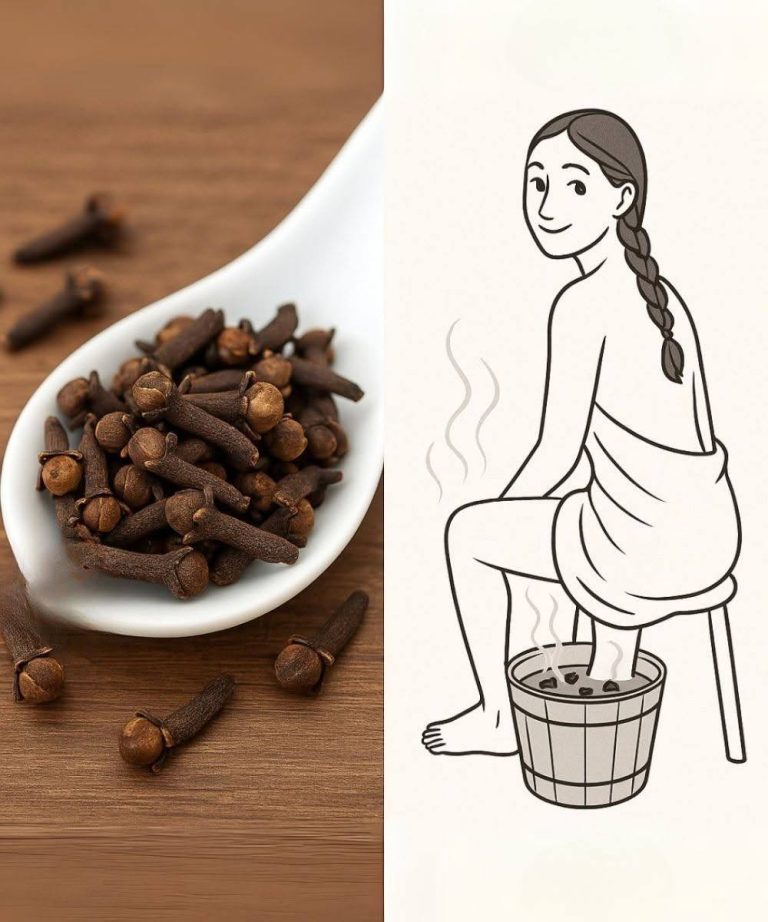
Natural remedies and herbal therapies continue to spark interest across digital wellness communities. One traditional practice gaining attention online is the clove steam bath, where individuals sit over infused herbal steam to soothe discomfort and support lower body wellness.
Cloves (Syzygium aromaticum) have been used for centuries in traditional medicine due to their rich essential oil content, specifically eugenol. While herbal steam therapy offers relaxing warmth, understanding how to practice it safely is essential for preventing burns and tissue irritation.
This comprehensive guide explores the traditional uses of clove steam baths, scientific properties of cloves, safety precautions, and related healthcare considerations.
What Is a Clove Steam Bath?
A clove steam bath involves simmering whole cloves in hot water to release volatile essential oils and sitting over the rising steam.
Eugenol Content: Cloves are concentrated in eugenol, a natural compound known for its mild analgesic (pain-relieving), antimicrobial, and anti-inflammatory properties.
Warmth and Circulation: The gentle heat from steam encourages blood flow to pelvic muscles, promoting muscle relaxation and soothing localized tension.
4 Traditional Uses and Potential Benefits
Herbal steam remedies have historical roots across multiple traditional healing systems for several key reasons:
1. Pelvic Muscle Relaxation
Warm steam helps ease tightness in pelvic floor muscles, providing temporary comfort for mild cramps, tension, or soreness.
2. Soothing Postpartum Discomfort
In various traditional cultures, gentle herbal steams are utilized to offer soothing warmth to the pelvic area during postpartum recovery.
3. Natural Antimicrobial Properties
Laboratory studies show that clove essential oil possesses antimicrobial activity, which traditional practices leverage for hygienic freshness and odor control.
4. Stress Relief and Comfort
Taking time for a warm herbal bath or steam session provides a calming, ritualistic experience that supports overall stress reduction and relaxation.
Crucial Safety Precautions and Best Practices
Because mucosal tissue is highly sensitive, direct heat and concentrated essential oils carry risks if improperly applied.
Prevent Scalding: Never place hot liquid too close to the skin. Allow water to cool slightly so the steam is gentle, not burning hot.
Avoid Direct Contact: Do not apply pure clove oil directly to delicate tissues, as concentrated eugenol can cause severe chemical burns or contact dermatitis.
Limit Duration: Keep steam sessions under 10 to 15 minutes to prevent overheating and skin irritation.
Discontinue If Irritation Occurs: Stop immediately if you experience itching, burning, redness, or discomfort.
Healthcare, Insurance, and Financial Protection
Integrating natural wellness practices into your lifestyle works best alongside evidence-based medical care and proactive planning.
Health Insurance and Gynecological Care
Natural steams should never replace medical diagnosis for persistent pelvic pain, unusual discharge, or infection symptoms:
Medical Screening Coverage: Standard health and medical insurance policies cover routine checkups, Pap smears, and diagnostic evaluations with OB-GYN specialists.
Preventive Care Benefits: Standard health coverage plans cover primary care visits to evaluate persistent symptoms safely.
Managing Healthcare and Financial Planning
Investing in holistic self-care and medical health supports broad lifestyle stability. Aligning daily personal finance management allows families to direct savings toward investment portfolios, emergency funds, and retirement accounts. For comprehensive wellness plans or specialized medical care, maintaining organized budget planning prevents needing a high-interest personal loan.
Consumer Rights and Legal Protections
When purchasing commercial herbal blends or wellness steam products, consumer protection laws regulate safety labeling. If unsafe products cause severe injury or burns, consulting a personal injury or product liability attorney clarifies legal protections.
Tips for Safe Home Herbal Steams
Use Whole Cloves: Opt for whole dried cloves rather than concentrated essential oils to control potency and reduce skin sensitivity risks.
Ensure Proper Ventilation: Keep the room well-ventilated while boiling herbs to prevent heavy steam buildup in small spaces.
Consult Your Doctor: Pregnant individuals or those with open wounds, active infections, or recent surgery should avoid steam baths unless approved by a physician.
Conclusion: Balancing Tradition with Caution
Clove steam baths offer a soothing, traditional approach to relaxation and muscle warmth. By prioritizing safety, keeping steam temperatures comfortable, and consulting medical professionals for underlying symptoms, you can explore herbal wellness safely.
Frequently Asked Questions (FAQ)
1. Can clove steam baths treat vaginal infections?
No. While cloves contain natural antimicrobial properties, steam baths cannot cure underlying bacterial or fungal infections. Seek medical evaluation for accurate diagnosis and prescription treatments.
2. Are clove steam baths safe during pregnancy?
No. Pregnant individuals should avoid pelvic steam treatments, as heat and herbal compounds may stimulate blood flow or trigger complications.
3. Does health insurance cover natural herbal therapy?
Standard medical insurance generally does not cover home herbal remedies, but it does cover clinical evaluations by licensed physicians.
4. How long should a clove steam session last?
Keep steam sessions short, ideally between 10 and 15 minutes, ensuring the steam is comfortably warm rather than hot.
5. What is the main active component in cloves?
The primary active component in cloves is eugenol, a natural compound recognized for its aromatic, antioxidant, and mild analgesic properties.
