
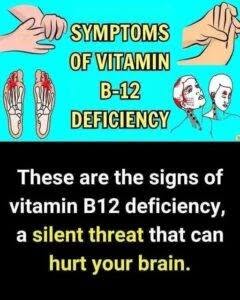
Vitamin B12 (cobalamin) is an essential water-soluble nutrient critical for red blood cell production, DNA synthesis, and central nervous system health. Because the human body cannot produce B12 naturally, it must be absorbed through dietary sources such as meat, fish, dairy, or fortified foods.
Because Vitamin B12 deficiency develops gradually over months or years, its early warning signs are often subtle and overlooked. Left unmanaged, severe B12 deficiency can lead to irreversible neurological damage, anemia, and cognitive impairment.
This comprehensive guide breaks down the primary symptoms of Vitamin B12 deficiency, risk factors, diagnosis options, and practical healthcare management.
Key Signs and Symptoms of Vitamin B12 Deficiency
Vitamin B12 plays a foundational role in maintaining the myelin sheath that protects nerves. When levels drop, nerve transmission slows down, triggering distinct physical and neurological symptoms:
1. Numbness and Tingling (Paresthesia)
Damage to peripheral nerve pathways often produces a “pins and needles” sensation or numbness in the hands, feet, and legs.
2. Chronic Fatigue and Weakness
Without adequate Vitamin B12, the body struggles to produce healthy red blood cells needed to transport oxygen throughout tissues. This leads to megaloblastic anemia, causing persistent physical weakness, shortness of breath, and deep fatigue.
3. Brain Fog and Cognitive Decline
Vitamin B12 is vital for cognitive processing and brain function. Low levels frequently cause memory lapses, difficulty concentrating, confusion, and in severe chronic cases, irreversible nerve degeneration mimicking dementia.
4. Balance Issues and Unsteadiness
Nerve damage (peripheral neuropathy) caused by prolonged B12 deficiency can impair proprioception—the body’s awareness of position—making walking, balancing, and coordination difficult.
5. Swollen or Sore Tongue (Glossitis)
An inflamed, smooth, bright red, or painful tongue (glossitis) and mouth ulcers are classic physical signs of deficient B12 absorption.
6. Mood Changes and Irritability
Low cobalamin levels affect neurotransmitter synthesis, often linked to mood disturbances, anxiety, irritability, and depressive symptoms.
Health Care, Insurance, and Financial Management
Preventing long-term nerve damage from nutrient deficiencies requires regular health checkups, proper diagnostic testing, and comprehensive financial planning.
Health Insurance and Diagnostic Screenings
Identifying Vitamin B12 deficiency early through routine lab work prevents severe neurological complications:
Medical Screening Coverage: Standard health and medical insurance policies cover routine blood tests, including complete blood count (CBC) and serum B12 level assessments.
Specialist Consultations: If nerve damage or persistent anemia occurs, comprehensive insurance plans cover visits with hematologists, neurologists, or registered dietitians.
Financial Management and Long-Term Wellness
Prioritizing preventive health management protects long-term productivity and earning potential. Integrating wellness habits into a balanced personal finance framework allows individuals to direct savings toward investment portfolios, emergency funds, and retirement plans. If specialized treatments, diagnostic workups, or medical interventions create temporary out-of-pocket costs, utilizing structured budgeting or a low-interest personal loan helps manage expenses responsibly without disrupting savings goals.
Patient Rights and Medical Compliance
When nutritional deficiencies remain unaddressed due to misdiagnoses or lab errors, consulting a medical malpractice attorney or patient advocate clarifies consumer rights and legal standards of care.
Tips for Preventing Vitamin B12 Deficiency
Include B12-Rich Foods: Eat animal-based products like eggs, meat, poultry, fish, and dairy, or choose fortified plant milks and cereals.
Consider Supplements for Plant-Based Diets: Individuals following strict vegan or vegetarian diets should take daily or weekly oral B12 supplements as advised by a doctor.
Monitor Absorption Issues: Adults over age 50 or individuals with gastrointestinal conditions (like Crohn’s, celiac, or past gastric surgery) should test B12 levels regularly due to reduced intrinsic factor production.
Conclusion: Protecting Your Brain and Body
Vitamin B12 deficiency is a quiet but treatable condition that directly impacts brain and nervous system health. By recognizing the early signs of nerve tingling, fatigue, and memory fog, you can seek timely medical evaluation and safeguard your long-term vitality.
Frequently Asked Questions (FAQ)
1. Who is most at risk for Vitamin B12 deficiency?
Strict vegans, older adults, individuals with gastrointestinal disorders (such as Crohn’s or celiac disease), and people taking long-term metformin or acid-reflux medications are at elevated risk.
2. Can Vitamin B12 nerve damage be reversed?
If caught early, B12 supplementation can reverse symptoms like tingling and fatigue. However, severe long-term neurological damage may become permanent if left untreated.
3. Does health insurance cover Vitamin B12 injections or blood tests?
Yes. Medical insurance standardly covers diagnostic serum B12 blood tests and physician-prescribed B12 injections or high-dose oral supplements.
4. How long does it take to recover from a B12 deficiency?
Energy levels and red blood cell counts typically improve within a few weeks of starting supplementation, while nerve repair may take several months to a year.
5. What is the recommended daily intake of Vitamin B12 for adults?
The recommended daily allowance (RDA) for most adults is 2.4 micrograms, with higher needs during pregnancy and lactation.
