
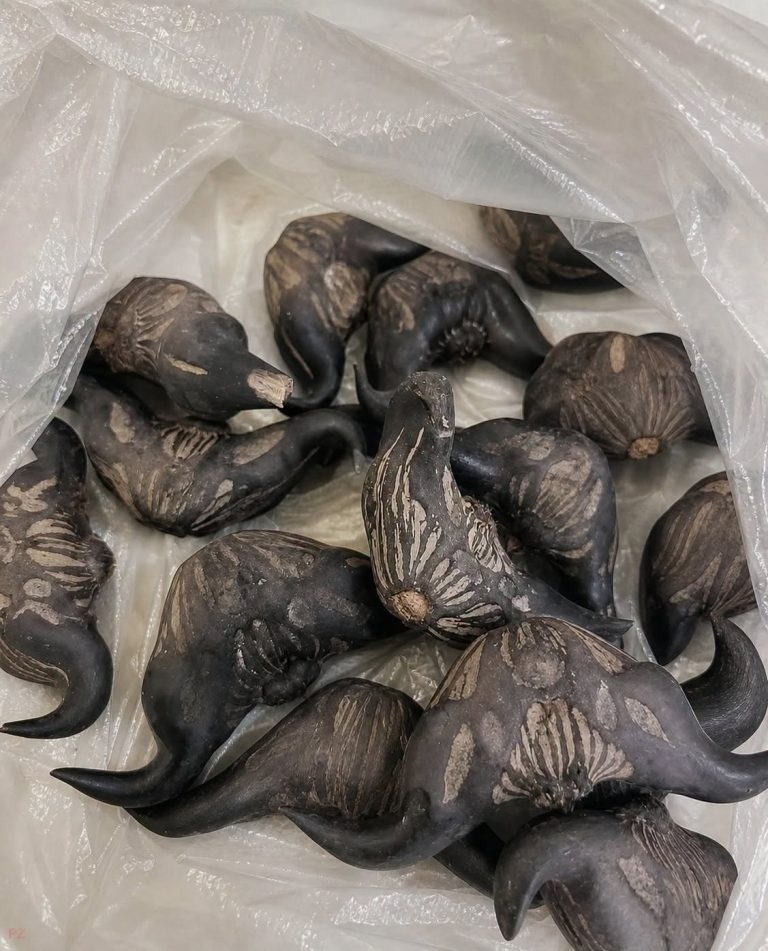
Unusual ingredients frequently spark curiosity across culinary forums and social media. One of the most striking aquatic plants found in traditional Asian markets is the water caltrop (Trapa natans), commonly known as the “bat nut,” “devil pod,” or “buffalo nut” due to its dark, hard outer shell resembling a bat in flight or a bull’s horns.
While their spiked appearance can be intimidating to home cooks, water caltrops are a traditional autumn delicacy packed with complex carbohydrates, essential minerals, and a unique flavor profile similar to roasted chestnuts.
This comprehensive guide explores what water caltrops are, how to safely prepare and cook them, their nutritional profile, and surrounding wellness considerations.
What Do Water Caltrops Taste Like?
Despite their dark exterior, the edible flesh inside a water caltrop is crisp, starchy, and white.
Flavor Profile: Mildly sweet and nutty, often compared to a blend of water chestnuts, sweet potatoes, and roasted chestnuts.
Texture: When boiled or roasted, the interior turns dense, soft, and starchy, similar to a cooked potato or cooked chestnut.
How to Prepare and Cook Water Caltrops Safely
Water caltrops grow in aquatic environments, so proper cooking is essential to ensure food safety.
1. Thorough Washing
Raw water caltrops should always be thoroughly scrubbed under cold running water to remove mud, organic debris, and surface bacteria before cooking.
2. Boiling or Steaming (Required)
Raw aquatic plants can harbor parasites such as Fasciolopsis buski (a giant intestinal fluke) if consumed raw. Boiling fully neutralizes this risk:
Place the washed caltrops in a large pot of salted water.
Bring to a rolling boil and cook for 20 to 30 minutes until the outer shells soften slightly and the internal starch cooks through.
3. Peeling and Serving
Once boiled and cooled:
Use a sharp kitchen knife or heavy nutcracker to carefully slice through the hard outer shell along its central seam.
Scoop or pry out the white starchy kernel inside. Enjoy them warm as a snack, or toss cooked kernels into stir-fries, soups, and rice dishes.
Health Benefits and Nutritional Value
Water caltrops are a wholesome, nutrient-dense food option containing several vital vitamins and minerals.
Key Nutritional Highlights
High in Complex Carbohydrates: Provides sustained, slow-burning energy, making them a staple starch during harvest season.
Rich in Potassium and Magnesium: Essential minerals that support electrolyte balance, muscle function, and healthy blood pressure levels.
Low in Fat and Sodium: Naturally low-calorie and fat-free option for nutrient-conscious meals.
Contains Antioxidants: Packed with natural polyphenols that protect cellular health against oxidative stress.
Healthcare, Insurance, and Financial Considerations
Exploring global foods and culinary traditions fits into a broad lifestyle of holistic wellness and proactive planning.
Health Insurance and Digestive Wellness
Introducing new foods to your diet promotes culinary diversity. If you experience digestive sensitivity or food allergies when exploring unfamiliar ingredients:
Medical Screening Coverage: Comprehensive health and medical insurance policies routinely cover consultations with registered dietitians, allergy specialists, and gastroenterologists.
Preventive Screenings: Routine nutritional counseling and wellness visits are often included in standard health coverage plans.
Financial Planning for Holistic Living
Managing daily food budgets while investing in high-quality, whole-food nutrition supports smart overall planning. Directing savings from home-cooked meals toward long-term investment portfolios, emergency savings, and retirement accounts builds financial security. For small food businesses or culinary ventures, maintaining sound personal finance strategies prevents taking on risky debt or unnecessary personal loan obligations.
Consumer Rights and Food Safety Compliance
When purchasing specialty imported produce, consumer safety laws require proper food handling, labeling, and sanitation standards. If contaminated imported products cause severe foodborne illness, consulting a consumer advocate or food liability attorney ensures proper legal protections.
Tips for Buying and Storing Water Caltrops
Selecting Fresh Pods: Look for dark, firm pods free from soft spots, mold, or cracks.
Refrigeration: Store raw, unwashed caltrops in a breathable bag inside your refrigerator for up to one week.
Freezing: Once boiled and shelled, cooked kernels can be frozen in airtight containers for up to three months.
Conclusion: A Unique Harvest Delicacy Worth Trying
Water caltrops may look like miniature bats or demon horns, but beneath their dark shell lies a delicious, nutritious starchy snack. By boiling them thoroughly and pairing them with simple seasonings, you can enjoy a unique seasonal ingredient with deep culinary roots.
Frequently Asked Questions (FAQ)
1. Can you eat water caltrops raw?
No. Water caltrops grow in fresh water and must be thoroughly boiled or roasted before eating to eliminate potential aquatic parasites.
2. What are water caltrops called in Asian markets?
They are commonly called Ling Jiao (菱角) in Chinese, Hishi in Japanese, and Singhara in South Asia.
3. Does health insurance cover consultations for food allergies?
Yes. Standard medical insurance typically covers diagnostic allergy testing and specialist visits prescribed by a physician.
4. How long do you need to boil water caltrops?
Boil water caltrops in salted water for 20 to 30 minutes to ensure the hard shell softens and the internal starch cooks through completely.
5. Are water caltrops the same as canned water chestnuts?
No. While both are aquatic plants, canned water chestnuts (Eleocharis dulcis) come from corms growing under mud and stay crunchy when cooked, whereas water caltrops (Trapa natans) are floating seed pods that turn soft and starchy when cooked.
