
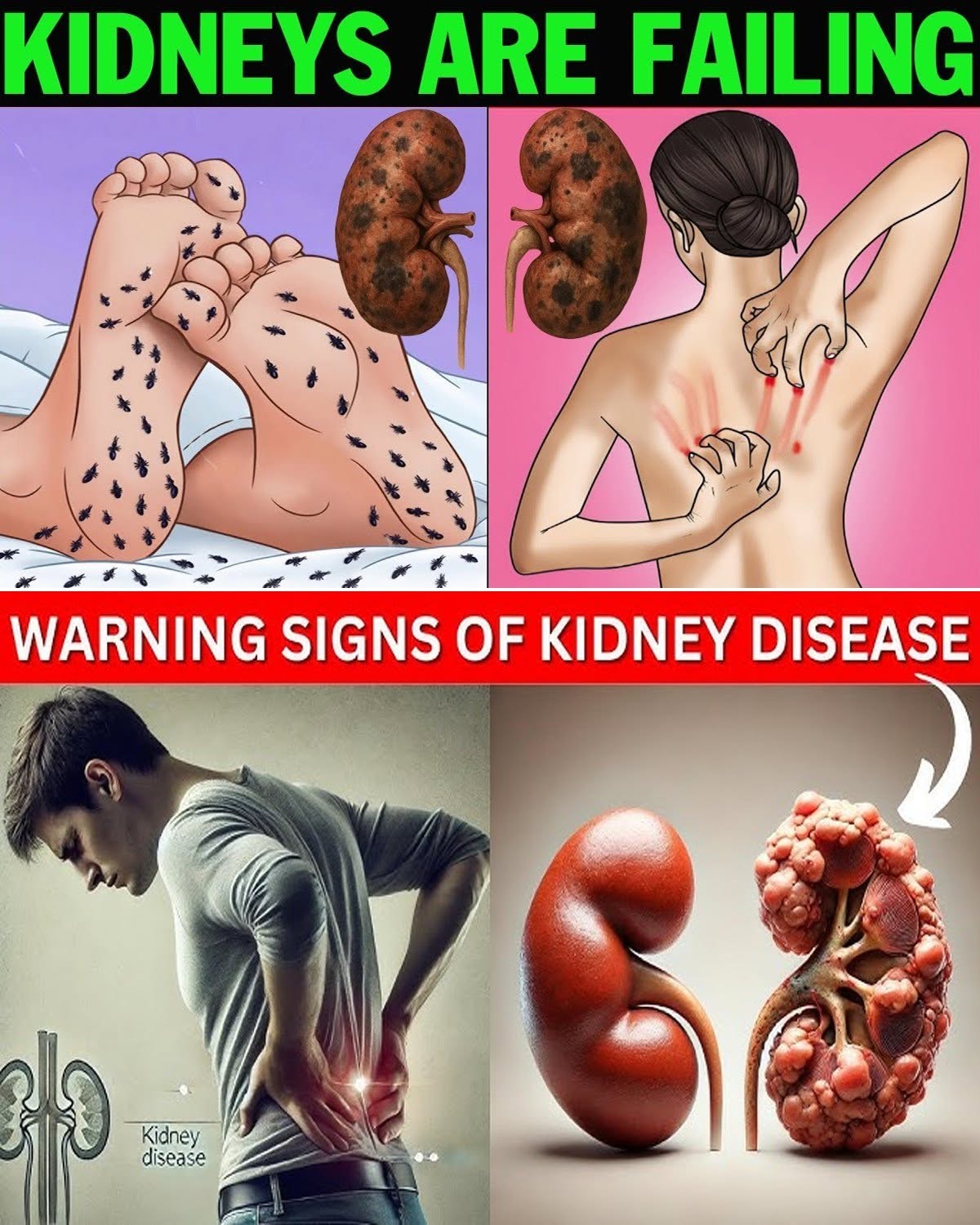
Your kidneys perform essential work every day. They filter waste and excess fluid from the blood, help regulate blood pressure, maintain mineral balance, and support red blood cell production.
One of the biggest challenges with chronic kidney disease (CKD) is that it can develop quietly. Most people with early CKD have no noticeable symptoms, and some don’t experience symptoms until kidney disease becomes advanced.
Still, certain changes can sometimes occur and deserve attention—especially in people with diabetes, high blood pressure, heart disease, or a family history of kidney failure.
- Foamy Urine
Occasional bubbles in urine are usually not concerning. But urine that repeatedly looks unusually foamy may sometimes indicate protein in the urine, also called proteinuria.
Healthy kidneys normally keep important proteins such as albumin in the bloodstream. When kidney filters become damaged, albumin can leak into the urine.
A urine test is needed to determine whether protein is actually
present.
- Swelling in Your Feet and Ankles
Your kidneys help remove excess sodium and fluid from your body.
When kidney function becomes impaired, fluid can accumulate in
