
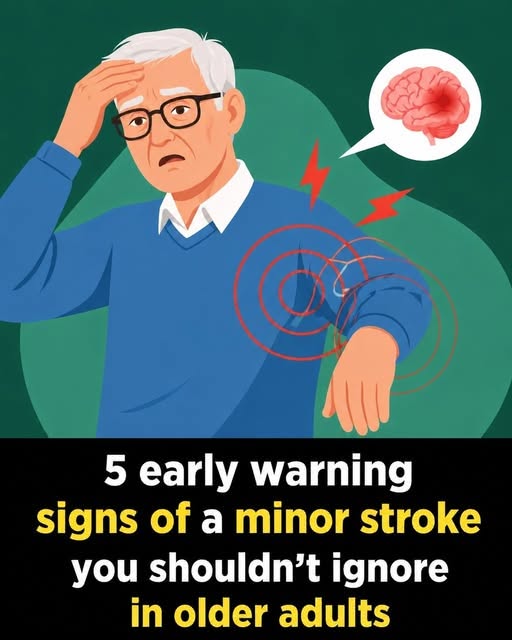
Recognizing the subtle, early warning signs of a minor stroke—clinically known as a Transient Ischemic Attack (TIA)—can save lives and prevent permanent neurological damage. Often referred to as “mini-strokes,” TIAs occur when blood flow to a portion of the brain is temporarily blocked by a micro-clot or arterial narrowing.
While TIA symptoms frequently resolve within a few minutes or hours, a minor stroke serves as a critical biological warning system. Statistically, individuals who experience a TIA face a significantly elevated risk of suffering a major, full-scale ischemic stroke within the following days or weeks if left untreated.
This comprehensive guide details the 5 critical warning signs of a minor stroke, vascular event factor comparison tables, step-by-step emergency response protocols, and practical advice on household budgeting and health insurance protection.
5 Critical Warning Signs of a Minor Stroke (TIA)
+———————————————————————–+
| TRANSIENT ISCHEMIC ATTACK (TIA) |
+———————————————————————–+
| 1. ONE-SIDED WEAKNESS –> Sudden numbness/droop in face, arm, or leg |
+———————————————————————–+
|
v
+———————————————————————–+
| 2. SPEECH DIFFICULTY –> Sudden slurring, garbled words, or confusion|
+———————————————————————–+
|
v
+———————————————————————–+
| 3. VISUAL DISTURBANCE –> Sudden dimming, double vision, or blindness |
+———————————————————————–+
|
v
+———————————————————————–+
| 4. LOSS OF BALANCE –> Sudden dizziness, unsteady gait, or vertigo |
+———————————————————————–+
|
v
+———————————————————————–+
| 5. SEVERE HEADACHE –> Sudden, unusual thunderclap headache |
+———————————————————————–+
1. Sudden Sudden Weakness or Numbness on One Side of the Body
A sudden, localized loss of strength, tingling, or heaviness in one arm, leg, or side of the face is the classic hallmark of a cerebrovascular event. An individual may suddenly drop an object or notice one side of their mouth drooping when trying to smile.
2. Difficulty Speaking or Understanding Speech
Sudden slurring of words (dysarthria), trouble finding common words (aphasia), or inability to comprehend simple spoken commands indicates temporary disruption of blood flow to the brain’s language processing centers.
3. Sudden Vision Changes in One or Both Eyes
A brief loss of vision—often described as a dark shade falling over one eye (amaurosis fugax)—blurry vision, or sudden double vision occurs when arterial blockage temporarily starves the visual cortex or optic pathways.
4. Sudden Dizziness, Loss of Balance, or Coordination Failure
Unexplained loss of physical balance, sudden unsteadiness while walking, room-spinning vertigo, or clumsy hand coordination can signal reduced arterial blood flow to the cerebellum or brainstem.
5. Sudden, Severe Unexplained Headache
A sudden, intense headache with no clear cause—often accompanied by neck stiffness, dizziness, or nausea—can signal rapid vascular changes or localized micro-ischemia within cranial blood vessels.
TIA vs. Major Ischemic Stroke Comparison Table
+——————–+———————–+———————–+
| Cerebrovascular Event| Symptoms Duration | Long-Term Tissue Risk |
+——————–+———————–+———————–+
| TIA (Minor Stroke) | Minutes to < 24 Hours | Temporary Interruption|
| Major Stroke | Persistent / Permanent| Permanent Brain Damage|
| Silent Stroke | Unnoticed Initially | Cumulative Cognitive |
+——————–+———————–+———————–+
Step-by-Step Instructions: The B.E. F.A.S.T. Emergency Protocol
If you or a loved one exhibit any warning signs of a minor stroke, follow the standardized B.E. F.A.S.T. emergency steps immediately:
+———————————————————————–+
| B.E. F.A.S.T. RESPONSE GUIDE |
+———————————————————————–+
| B – BALANCE: Check for sudden loss of balance or coordination. |
| E – EYES: Check for sudden vision loss, dimming, or double vision. |
| F – FACE: Ask the person to smile; check for facial droop. |
| A – ARMS: Ask person to raise both arms; check if one drifts downward.|
| S – SPEECH: Ask person to repeat a simple phrase; listen for slurring. |
| T – TIME: Call 911 / emergency services IMMEDIATELY. |
+———————————————————————–+
Check Balance (B): Assess whether the person has suffered a sudden loss of balance, unsteady walking, or uncoordinated motor skills.
Check Eyes (E): Inquire if the person has experienced sudden loss of vision in one or both eyes, blurry vision, or double vision.
Check Face (F): Ask the person to smile broadly. Observe whether one side of the face sags or appears uneven.
Check Arms (A): Ask the person to raise both arms straight out in front of them with eyes closed for 10 seconds. Check if one arm drifts downward involuntarily due to weakness.
Check Speech (S): Ask the person to repeat a simple sentence (e.g., “The sky is blue”). Listen closely for slurred speech, garbled phrasing, or confusion.
Call Emergency Services Immediately (T): If any of these signs are present—even if the symptoms disappear entirely after a few minutes—call 911 or emergency medical transport right away. Note the exact time symptoms started.
Home Management, Household Budgeting, and Financial Health
Prioritizing cardiovascular health and rapid medical intervention directly supports family budgeting and financial asset security.
Smart Home Budgeting & Emergency Preparedness
Prompt medical intervention during a minor stroke prevents severe secondary brain damage, avoiding catastrophic long-term medical expenditures, specialized nursing home costs, and prolonged physical therapy fees. Managing your family medical emergency fund and health care budget intentionally enables households to preserve capital to build emergency savings accounts, pay off high-interest credit card debt, or allocate funds toward long-term financial investments.
Preventive Vascular Care, Health Insurance, and Medicare Security
Routine medical care—including blood pressure monitoring, cholesterol screenings, anti-platelet therapy prescriptions, and carotid artery ultrasounds—is heavily covered under primary health insurance plans and Medicare. Utilizing preventive vascular benefits minimizes out-of-pocket healthcare expenses while safeguarding both physical well-being and family financial stability.
Frequently Asked Questions (FAQ)
Should I drive someone experiencing TIA symptoms to the hospital myself?
No. Always call emergency services (911). Paramedics can begin diagnostic evaluation, administer oxygen, manage blood pressure, and notify the emergency department’s stroke team in advance while transporting the patient safely.
Can a minor stroke go completely unnoticed?
Yes. “Silent strokes” occur in quiet regions of the brain without causing obvious outward symptoms. They are frequently discovered later during routine brain MRI or CT scans conducted for other health conditions.
Conclusion
A minor stroke is a crucial, life-saving warning signal that demands immediate medical evaluation. Memorize the B.E. F.A.S.T. protocol, manage blood pressure, and protect your cardiovascular health for a long, healthy life!
