
Introduction: The Fascinating History of Generational Cohorts
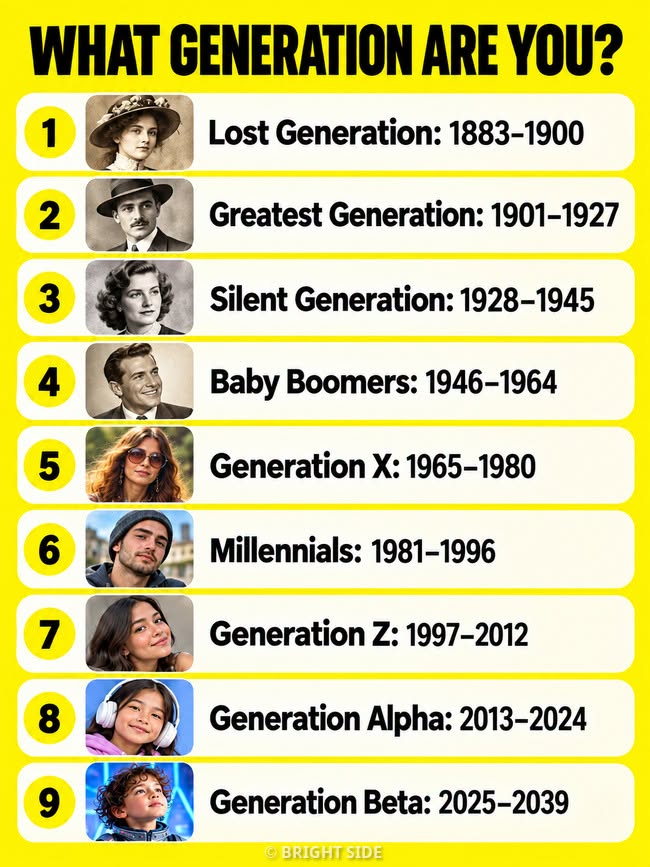
Generations have always provided a helpful framework for understanding cultural shifts, historical milestones, and how different age groups experience the world. When looking at a comprehensive timeline—ranging from the Lost Generation to the emerging Generation Beta—we can see how societal changes shape human development. A popular viral graphic currently circulating maps out these exact generational timelines and birth years.
As demographic guides and lifestyle comparisons circulate widely across digital media, they intersect with various sectors, including digital technology, online media business, user engagement models, and cultural investment. This article explores the defining characteristics of each generational cohort, the mechanics of demographic categorization, and how interactive content shapes modern social trends.
Breaking Down the Generations
To understand where people fit on the timeline, let’s examine the birth years and key cohorts outlined in the graphic:
1. Historical and Older Cohorts
-
Lost Generation (1883–1900): Named by Gertrude Stein, this generation came of age during World War I.
-
Greatest Generation (1901–1927): Often referred to as the G.I. Generation, they grew up through the Great Depression and fought in World War II.
-
Silent Generation (1928–1945): Born during the Great Depression and World War II, known for traditional values and hard work.
2. Modern and Contemporary Cohorts
-
Baby Boomers (1946–1964): Marked by the post-WWII baby boom, characterized by economic expansion and cultural shifts.
-
Generation X (1965–1980): Grew up during the transition into the digital age, known for independence and adaptability.
-
Millennials (1981–1996): The first generation to come of age with the internet and widespread digital technology.
-
Generation Z (1997–2012): True digital natives who grew up with smartphones and social media integrated into daily life.
-
Generation Alpha (2013–2024): The generation growing up entirely in the 21st century surrounded by advanced AI and smart devices.
-
Generation Beta (2025–2039): The newest cohort stepping onto the timeline, representing the future of the mid-21st century.
3. The Appeal of Viral Demographic Posts
Social media platforms thrive on content that sparks self-identification, prompting users to comment, share, and compare experiences across different age groups.
Practical Ways to Connect Across Generations
Exploring generational differences offers several social and professional benefits:
-
Improving Workplace Communication: Understanding different communication styles and values across diverse teams.
-
Fostering Empathy: Gaining insight into the historical and technological contexts that shaped older and younger cohorts.
-
Social Engagement: Sharing generational graphics with friends and family to spark nostalgic conversations and friendly debate.
Aligning Digital Content with Business and Technology
While demographic charts feel like lighthearted lifestyle content, their distribution relies on sophisticated digital frameworks. For content creators and digital publishers, designing viral engagement campaigns requires strategic investment in web platforms, social media algorithms, and mobile optimization technology. Furthermore, managing digital rights, privacy regulations, and publishing insurance is essential for maintaining a secure online publishing business. Whether you are a digital media attorney reviewing platform terms, an online creator scaling traffic, or a curious reader exploring cultural trends, understanding the digital landscape adds valuable context.
Interesting Facts About Generational Cohorts
-
Naming Conventions: Generational names didn’t become widely standardized until the mid-20th century with the popularization of “Baby Boomers.”
-
Technological Shifts: Each modern generation is increasingly defined by the speed and accessibility of the technology they grew up with.
-
The Power of Shareability: Visual charts that categorize people into distinct groups consistently achieve exceptionally high comment and share rates on social media.
-
Continuous Evolution: Sociologists continually study shifting birth rates and cultural milestones to determine when one generation ends and the next begins.
Conclusion: Finding Your Place on the Timeline
Generational guides like the “What Generation Are You?” chart remind us how diverse and interconnected our society is across different age groups. Whether you are a Baby Boomer, a Millennial, or part of Generation Alpha, every cohort brings unique perspectives to the table. Balancing digital entertainment with sound business and media awareness ensures that online content remains both engaging and informative. A curious mind is the best tool for the job.
Frequently Asked Questions (FAQ)
Q: What years define Millennials? A: Millennials are generally defined as those born between 1981 and 1996.
Q: Why are generational charts so popular on social media?
A: They provide a sense of identity, encourage friendly discussions in the comments section, and allow people to compare their experiences with peers.
Q: What generation follows Generation Z? A: Generation Alpha follows Gen Z, covering birth years from 2013 to 2024, followed by Generation Beta starting in 2025.
Q: Who determines generational date ranges?
A: Sociologists, demographers, and researchers—such as the Pew Research Center—typically establish these ranges based on demographic trends and historical events.
Q: Where can I find more charts and infographics like this?
A: They are widely shared across educational blogs, social media discovery feeds, history pages, and culture websites.
