
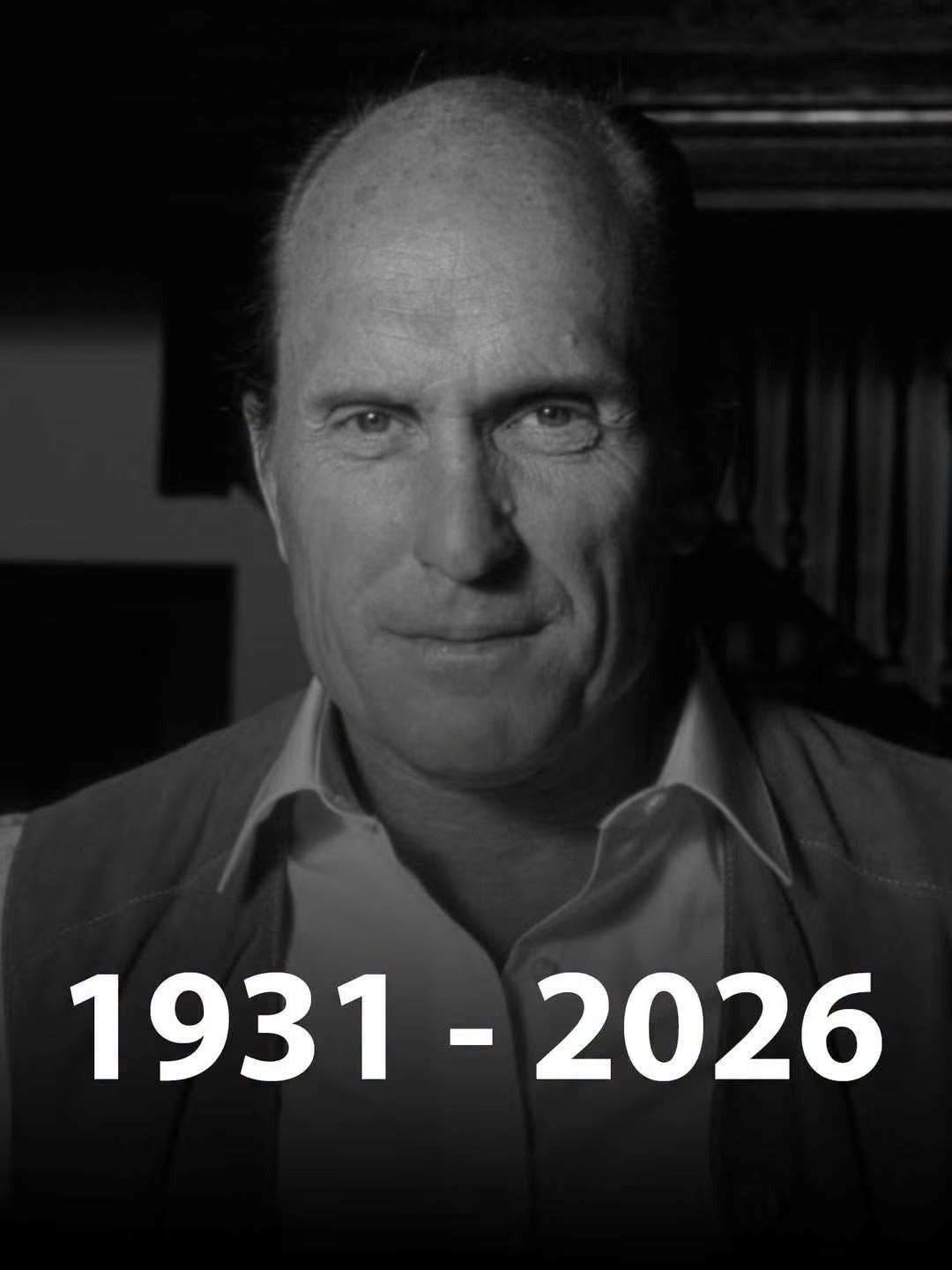
Film fans are once again encountering a deeply emotional headline spreading across social media:
“With Heavy Hearts, Film Fans Mourn the Passing of This Legend…”
At first glance, the wording appears to announce the death of a beloved actor, filmmaker, or other major figure from the world of cinema. The phrase immediately creates a sense of grief and encourages readers to discover what happened.
But there is a crucial problem with the headline: it does not actually identify the person who supposedly died.
That missing detail changes everything.
In today’s fast-moving social-media environment, celebrity death stories can spread rapidly across Facebook, TikTok, X, and other platforms. A dramatic headline can generate thousands of clicks and shares before readers have had an opportunity to determine whether the information is current, accurate, or even about the person they think it is.
A Viral Headline Without a Name Raises Important Questions
A legitimate celebrity death announcement normally provides basic information that allows readers to understand exactly what happened.
The person’s full name is usually included, along with information about when the death occurred and, when available, a statement from a family member, representative, publicist, or another credible source.
The phrase “this legend” provides none of those details.
That does not automatically mean the story is false. However, it does mean that the headline alone cannot confirm that a famous film personality has recently died.
There are several possibilities.
The post could be a shortened social-media teaser intended to make users click through to the full article. It could be referring to an older obituary that has recently gone viral again. It could also be a tribute to a performer whose death occurred years ago but whose work has suddenly returned to public attention.
Without the person’s identity and a reliable source, readers are left with an emotional suggestion rather than a verifiable announcement.
Why Celebrity Death Headlines Create Such Strong Reactions
The emotional power of these stories is easy to understand.
Movies are closely connected to personal memories. A particular actor may remind someone of childhood movie nights, a favorite television program, a parent, a grandparent, or an important period in their life.
For many people, beloved performers become part of their memories without ever knowing their audiences personally.
That is why news of a genuine celebrity death can feel surprisingly personal.
A legendary actor’s career may span decades and include characters that millions of people remember instantly. Even long after a movie was released, a familiar face appearing on television or a streaming service can bring back memories that seemed forgotten.
When such a performer dies, fans often feel that they are losing a small piece of cinematic history.
The Difference Between a Tribute and a Confirmed Death Announcement
One of the biggest challenges of modern entertainment news is that old information can look new.
A photograph from an earlier memorial may be reposted without its original date. An interview can suddenly become popular years after it was recorded. An obituary can be shared again because of an anniversary, a movie release, or renewed interest in a particular performer.
The original context can easily disappear.
That is why readers should distinguish between a tribute post and a breaking death announcement.
Before believing or sharing a viral celebrity death story, check the following:
- Who is the person being discussed?
- When did the reported death occur?
- Who confirmed the information?
- Is there a statement from the person’s family or representative?
- Are reputable news organizations reporting the same event?
- Does the article have a recent publication date?
- Could the story be an older article being recirculated?
These questions take only a few moments to answer but can prevent the spread of inaccurate information.
Emotional Wording Is Not the Same as Evidence
The phrase “with heavy hearts” has become common in online entertainment headlines because it immediately creates an emotional response.
However, emotional language should never be confused with verification.
A headline can sound authoritative while still leaving out the information readers need to evaluate the claim.
Words such as “legend,” “heartbreaking,” “devastating,” and “fans mourn” are designed to capture attention. They may appear in a legitimate tribute, but they do not independently prove that a death has just occurred.
The most important information is found in the details underneath the headline.
A credible report should make it possible for readers to identify the person involved and trace the claim back to a trustworthy source.
