
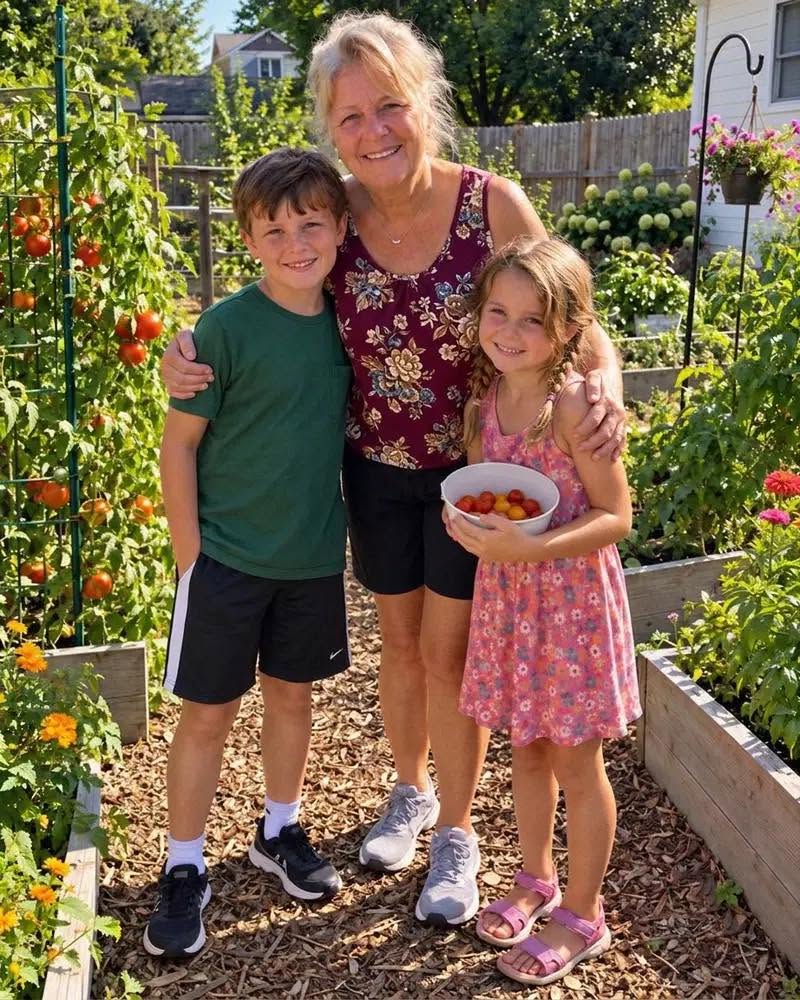
Few simple pleasures in life compare to harvesting ripe, sun-warmed tomatoes directly from your own backyard garden. Whether you are cultivating raised beds in a sunny suburban yard or setting up container plants on a patio, home gardening offers a deeply rewarding blend of healthy outdoor exercise, organic nutrition, and intergenerational family bonding. Seeing children or grandchildren gleefully hold a bowl full of freshly picked cherry tomatoes is a reminder of how rewarding it is to grow your own food.
Beyond the immediate joy of fresh produce, backyard home gardening intersects directly with household financial management, health wellness, and long-term property values. Rising grocery costs and growing interest in sustainable living have inspired millions of families to transform their backyards into productive, green sanctuaries. Here is a comprehensive guide to mastering home tomato cultivation, optimizing garden soil, saving money on food bills, and maximizing the physical and emotional wellness benefits of gardening.
Why Growing Your Own Produce Makes Financial and Nutritional Sense
Cultivating an organic backyard garden is more than a pleasant weekend hobby—it is a smart household financial decision that pays physical and economic dividends.
Grocery Bill Savings and Household Budgeting
In an era of fluctuating food prices and food supply chain shifts, growing high-yielding crops like tomatoes, peppers, and leafy greens directly reduces weekly supermarket expenses.
Return on Investment: A single cherry or beefsteak tomato seedling costing under $5 can produce 10 to 30 pounds of fresh fruit over a single growing season.
Reduction of Food Waste: When you pick fresh tomatoes as needed directly from the vine, produce degradation and food waste drop to zero compared to store-bought vegetables sitting in refrigerator crisp bins.
Organic Quality at Zero Premium: Growing your produce organically eliminates the high price markups typically charged for certified organic vegetables at grocery stores.
Health, Nutrition, and Disease Prevention
Store-bought tomatoes are frequently picked while green and artificially ripened during transit, which can diminish flavor profiles and nutrient density. Vine-ripened garden tomatoes, by contrast, are nutritional powerhouses.
Rich in Lycopene: Tomatoes are one of the primary dietary sources of lycopene, a powerful antioxidant linked to reduced cardiovascular disease risk and improved heart health.
Essential Vitamins and Minerals: Packed with Vitamin C, Potassium, Vitamin K, and Folate, fresh tomatoes support immune function, skin vitality, and blood pressure regulation.
Physical Health and Physical Activity: Tending raised beds, digging soil, and harvesting crops provides gentle, regular aerobic exercise, promoting joint mobility, muscle strength, and cardiovascular stamina for all ages.
Mastering Tomato Gardening: Essential Techniques for Maximum Yield
To ensure a bountiful harvest of juicy tomatoes, understanding basic botanical principles, soil health, and plant care is crucial.
1. Choosing the Right Tomato Varieties
Tomatoes are generally categorized into two primary growth habits:
Determinate (Bush) Tomatoes: These plants grow to a fixed size (usually 3 to 4 feet tall), produce their entire crop over a concentrated period of a few weeks, and require minimal pruning. They are ideal for smaller raised beds or container gardening.
Indeterminate (Vining) Tomatoes: These varieties continue growing, blooming, and setting fruit continuously until the first winter frost. Varieties like Early Girl, Sweet 100 cherry tomatoes, and Heirloom Brandywine belong to this group and require sturdy stakes, cages, or trellis support structures.
2. Soil Preparation and Raised Bed Setup
Healthy soil is the foundational key to abundant vegetable yields.
Optimal pH Balance: Tomatoes thrive in slightly acidic soil with a pH ranging between 6.2 and 6.8.
Soil Enriched with Organic Matter: Mix rich organic compost, aged manure, and worm castings into raised bed soil to provide balanced nitrogen, phosphorus, and potassium (N-P-K ratios).
Calcium to Prevent Blossom End Rot: Ensure soil contains adequate accessible calcium. A lack of calcium uptake often causes “blossom end rot,” where the bottom of developing tomatoes turns black and leathery. Adding crushed eggshells or agricultural lime during planting helps maintain balanced soil minerals.
3. Sunlight, Watering, and Pruning Best Practices
Full Sun Exposure: Place tomato plants in location zones receiving a minimum of 6 to 8 hours of direct, unfiltered daily sunlight.
Deep, Ground-Level Watering: Always water tomato plants at the base of the stems rather than spraying foliage. Wet leaves create ideal conditions for fungal diseases like early blight and powdery mildew. Drip irrigation systems or soaking hoses work best.
Pruning Suckers: On indeterminate vines, remove “suckers”—small shoots growing in the crotch where a branch meets the main stem. Removing suckers redirects energy into developing larger, healthier fruit clusters.
Backyard Enhancements, Home Value, and Property Insurance
Investing in structured landscaping, raised garden beds, and backyard hardscaping enhances aesthetic appeal while positively impacting real estate values.
Landscaping and Real Estate Valuation
Well-maintained residential landscaping featuring custom raised garden beds, cedar fencing, and stone pathways adds measurable curb appeal to prospective home buyers. Sustainable, edible landscaping features are increasingly sought after by young families, raising overall home marketability and property value during real estate appraisals.
Homeowners Insurance Considerations
When adding substantial backyard improvements—such as outdoor garden sheds, greenhouses, or elaborate perimeter fencing—review your homeowners insurance policy:
Other Structures Coverage: Standard homeowners insurance policies usually allocate around 10% of total dwelling coverage toward detached structures like garden sheds, fencing, or detached green houses.
Liability and Hazard Coverage: Ensuring garden walkways, steps, and raised bed borders are free from tripping hazards protects visitors and minimizes liability insurance risk.
Engaging Children and Grandchildren in the Garden
Gardening provides an invaluable educational platform for children, fostering early nutritional literacy, scientific curiosity, and responsibility.
Hands-On Science Education: Watching a tiny seed sprout, flower, and produce edible fruit teaches children biology, weather patterns, and the importance of environmental stewardship.
Encouraging Healthy Eating Habits: Children who participate in growing vegetables are significantly more likely to eat fresh salads, tomatoes, and vegetables at mealtime.
Creating Cherished Multi-Generational Memories: Tending a garden alongside grandparents or parents builds lasting multi-generational bonds, providing a quiet space away from digital screens and modern stress.
Fascinating Facts About Tomatoes and Home Gardening
Botanical Fruit vs. Culinary Vegetable: Botanically speaking, tomatoes are true berries (and thus fruits) because they develop from the ovary of a flower and contain seeds. However, in 1893, the U.S. Supreme Court legally classified the tomato as a vegetable for tariff and commercial trade purposes in the landmark case Nix v. Hedden.
Thousands of Varieties: There are over 10,000 distinct tomato varieties grown worldwide, ranging in color from vibrant red and yellow to deep purple, green zebra, and near-black heirloom cultivars.
Stress Reduction Science: Scientific research in environmental psychology reveals that spend just 20 to 30 minutes active in a home garden significantly lowers cortisol (stress hormone) levels and promotes emotional well-being.
Protecting Your Investment: Pest Control and Natural Defense
Keeping tomato plants healthy requires proactive pest management techniques that avoid harsh chemical pesticides.
Companion Planting with Marigolds and Basil: Planting French marigolds around raised bed perimeters repels destructive root nematodes and hornworms while attracting beneficial pollinators like bees. Planting basil alongside tomatoes improves flavor development and deters thrips.
Organic Insecticidal Soaps: Using mild insecticidal soap sprays or diluted neem oil treatments helps manage common garden pests like aphids, spider mites, and whiteflies safely without harming beneficial insects.
Mulching for Moisture Control: Applying a 2-inch layer of organic straw, shredded bark, or leaf mulch around plant bases conserves soil moisture, regulates root temperatures, and suppresses weed growth.
Conclusion
Building a flourishing backyard garden filled with vine-ripened tomatoes brings unmatched health, financial savings, and personal satisfaction to any home. By applying proper soil management techniques, adopting natural pest controls, and sharing the experience with family, your backyard can become a thriving source of fresh nutrition and joy for years to come.
Frequently Asked Questions (FAQ)
What is the best time of year to plant tomatoes?
Tomatoes are warm-weather crops sensitive to frost. Plant tomato seedlings outdoors in late spring, roughly 2 to 3 weeks after the last expected spring frost date in your local region, when soil temperatures consistently reach at least 60°F (15°C).
Why are my tomato leaves turning yellow?
Yellowing lower leaves often indicate overwatering, nitrogen deficiency in the soil, or fungal issues like early blight. Ensure your soil drains well, avoid watering foliage directly, and apply a balanced organic vegetable fertilizer to restore vital plant nutrients.
How often should I water backyard tomato plants?
Tomatoes require roughly 1 to 2 inches of water per week. Water deeply every 2 to 3 days rather than shallowly every day. Deep watering encourages roots to grow deep into the soil, creating stronger, more drought-resistant plants.
Can you grow tomatoes successfully in containers?
Yes! Bush or determinate tomato varieties grow exceptionally well in containers or large pots. Choose a pot that holds at least 5 to 7 gallons of potting mix, ensure it has drainage holes at the bottom, and place it in a spot receiving full sun.
