
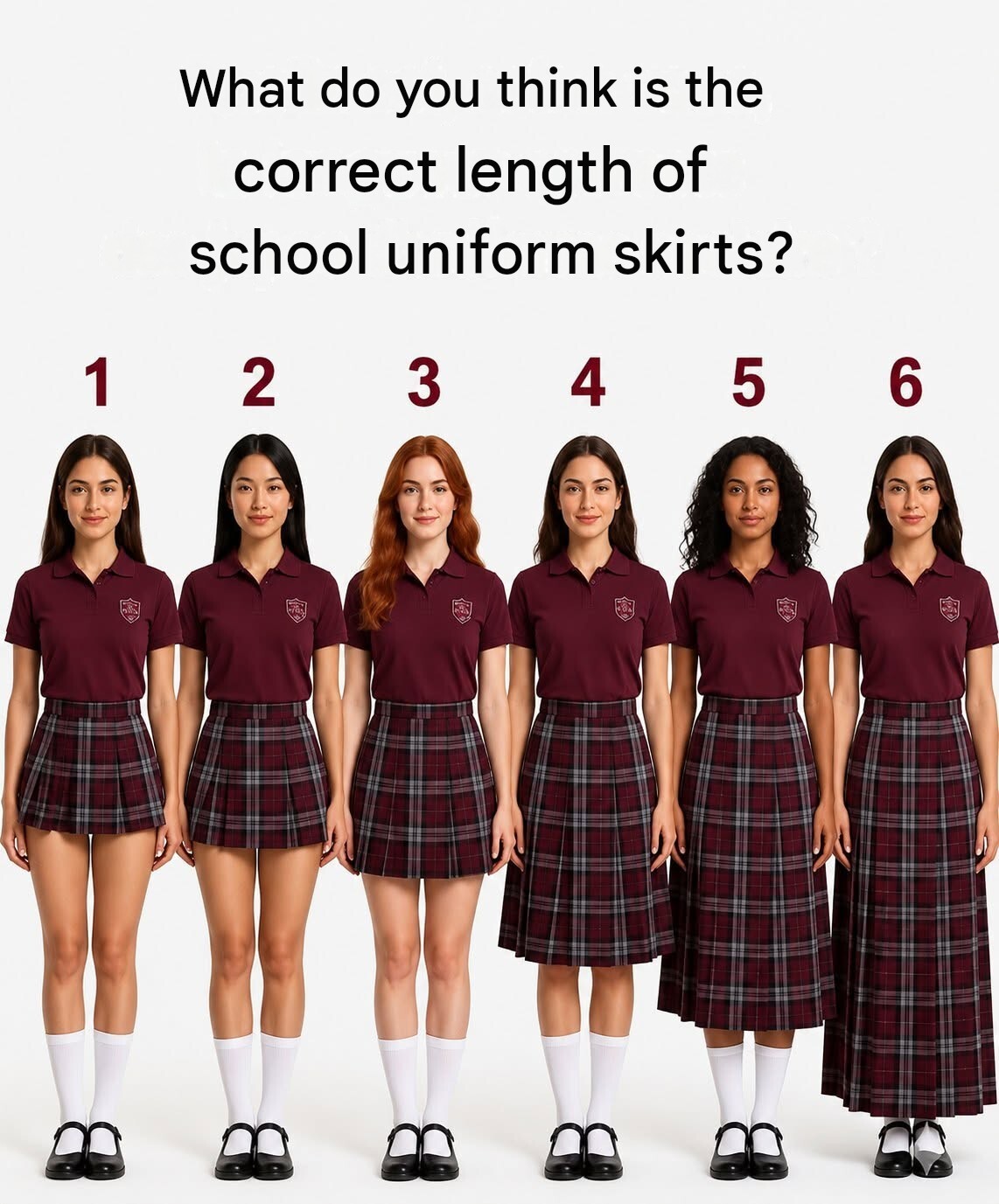
The debate surrounding school uniform dress codes—particularly the appropriate length of school skirts—has been a recurring topic for educators, parents, and students across generations. School uniforms are designed to promote equality, minimize social pressure, and create a distraction-free learning environment. However, determining where the hemline should fall requires balancing institutional discipline with student mobility, comfort, and personal expression.
From high-thigh hemlines to floor-length styles, school dress code policies vary significantly based on cultural norms, institutional religious affiliations, and regional climates. Understanding the pros, cons, and historical context of various uniform skirt lengths helps school boards and families navigate dress code policies effectively.
The Spectrum of School Skirt Lengths: A Breakdown
To evaluate dress code standards objectively, school administrators often categorize skirt lengths into distinct styles ranging from micro-mini to maxi.
Short to Above-the-Knee Hemlines (Option 1 to Option 3)
Hemlines falling higher on the thigh offer maximum freedom of movement for walking, sitting on the floor, or active school days. However, shorter styles often face scrutiny regarding dress code compliance, modesty, and potential friction between students and school administration over enforcement.
Knee-Length to Below-the-Knee Styles (Option 4)
The knee-length or “fingertip rule” style is widely regarded as the standard benchmark in many private, public, and international schools. Falling right at or just below the knee, this cut provides a balanced mix of modest coverage and practical everyday mobility.
Midi to Ankle-Length Hemlines (Option 5 to Option 6)
Longer hemlines extending to the mid-calf or ankle are common in conservative academic environments, traditional religious institutions, or cooler climates. While offering maximum modesty, longer skirts can sometimes restrict rapid movement or present trip hazards during physical school activities.
+—————————+———————————–+———————————–+
| Skirt Length Style | Primary Advantages | Key Considerations / Challenges |
+—————————+———————————–+———————————–+
| Above-the-Knee (1–3) | High mobility, modern appearance | Frequent dress code enforcement |
| Knee-Length (4) | Standard balance, widely accepted | Ideal default for most policies |
| Ankle / Maxi-Length (5–6) | High coverage, traditional style | Potential restriction in mobility |
+—————————+———————————–+———————————–+
Key Factors Influencing Dress Code Guidelines
Developing a practical, fair, and easily enforceable school uniform policy involves balancing several essential criteria.
1. Comfort and Practical Mobility
Students spend hours sitting at desks, moving through crowded hallways, participating in science labs, and walking up stairs. Skirts must be cut to allow comfortable movement without constant adjustments or fear of accidental exposure.
2. Consistency in Policy Enforcement
Unclear or overly strict dress code guidelines can lead to inconsistent enforcement by school staff, creating unnecessary friction with students. Clear, measurable guidelines—such as requiring hemlines to touch the top of the kneecap—provide unambiguous standards for everyone.
3. Inclusivity and Cultural Respect
Accommodating diverse religious backgrounds, gender expressions, and body types is critical in modern education. Allowing students or families to select from multiple approved length options fosters an inclusive environment while maintaining school identity.
Financial and Retail Considerations for School Uniforms
Uniform policies directly impact household budgets and retail supply logistics, making policy simplicity a major priority for parents.
Cost Efficiency for Growing Students
Children grow rapidly, and skirts with moderate hemlines allow room for altering or letting down hems over time. Choosing adaptable, high-quality fabrics reduces annual uniform replacement costs for families.
Retail Availability and Standardized Sourcing
Partnering with reliable uniform suppliers who stock standardized lengths ensures parents can easily source approved attire throughout the academic year without needing costly custom alterations.
Fascinating Facts About School Uniform History
Origin of Uniforms: The earliest recorded use of standardized academic dress dates back to 16th-century England, where Christ’s Hospital School provided long blue coats to students in 1552.
The “Fingertip Rule”: A widely recognized dress code standard in American schools states that a skirt’s hemline should extend past the tips of the student’s fingers when arms are held naturally at their sides.
Global Uniform Trends: In Japan, the iconic seifuku (sailor suit) uniform featured varying skirt length trends throughout different decades, becoming a major pop culture fashion statement.
Conclusion
Finding the ideal length for school uniform skirts comes down to establishing clear, practical guidelines that prioritize student comfort, modesty, and institutional harmony. While knee-length styles (Option 4) frequently serve as the standard benchmark, offering flexible options allows schools to respect individual preferences while maintaining a cohesive, professional academic environment.
Frequently Asked Questions (FAQ)
What is the standard required skirt length in most schools?
Most traditional and private schools require hemlines to sit directly at the top of the knee or within 2 to 3 inches above the kneecap.
What is the “fingertip rule” in school dress codes?
The fingertip rule requires that when a student stands straight with arms relaxed at their sides, the bottom hem of the skirt must touch or extend past the tips of their fingers.
How can schools make dress code policies more equitable?
Schools can create equitable policies by offering multiple approved skirt lengths, providing pants or shorts as alternative options, and focusing enforcement on practical safety rather than subjective aesthetics.
Why do some schools offer longer midi or maxi skirt options?
Midi and maxi skirt options allow schools to accommodate religious guidelines, cultural modesty standards, and personal style preferences within the uniform policy framework.
