
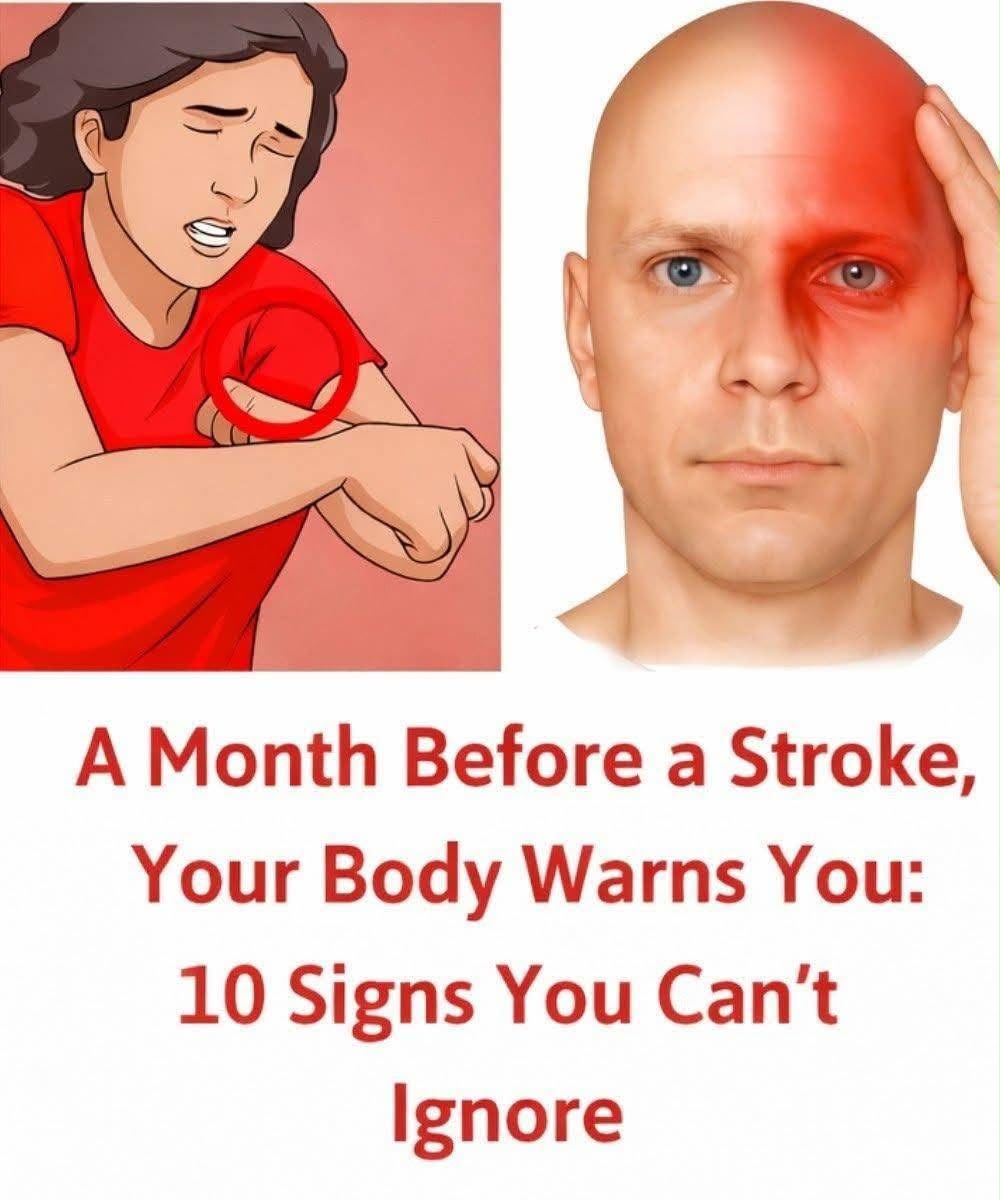
Cardiovascular health and neurological well-being are fundamental pillars of physical longevity. Every year, millions of adults face sudden vascular events that alter their daily independence and long-term quality of life. Among these health crises, strokes remain one of the leading causes of long-term disability and premature mortality worldwide. However, contrary to the common belief that strokes always strike out of nowhere without warning, the body often sends subtle, precursory signals weeks or even a full month before a major event occurs.
Recognizing these subtle physiological alerts allows individuals and families to seek urgent medical care before catastrophic damage takes place. Furthermore, understanding the risk factors and early warning indicators can protect your personal finances against catastrophic healthcare expenses, specialized long-term nursing, and costly emergency interventions.
The Science Behind Early Stroke Warning Signs
A stroke occurs when the blood supply to part of the brain is interrupted or reduced, preventing brain tissue from getting oxygen and nutrients. Brain cells begin to die within minutes. These events are primarily divided into two main categories: ischemic strokes, caused by a blockage in a blood vessel supplying the brain, and hemorrhagic strokes, caused by the bursting of a blood vessel.
In many cases, individuals experience transient ischemic attacks (TIAs), often called “mini-strokes.” A TIA is caused by a temporary clot or spasm that briefly blocks blood flow to the brain. While TIA symptoms may resolve within minutes or hours without leaving permanent cellular damage, they serve as a crucial physical warning that a full stroke may occur in the near future. Identifying these early neurological perturbations can mean the difference between immediate medical recovery and permanent impairment.
10 Early Warning Signs You Must Never Ignore
Paying close attention to unexplained neurological and physical shifts can empower you to take emergency action before permanent brain tissue loss occurs.
1. Sudden Weakness or Numbness in the Arm or Leg
A sudden feeling of weakness, heaviness, or complete numbness on one side of the body is one of the most classic signs of impending vascular issues. You might notice difficulty lifting an arm, holding a cup, or keeping your leg steady while walking. Because the brain’s hemispheres control opposite sides of the body, this weakness almost always affects a single side.
2. Facial Drooping or Asymmetry
When blood flow to the cranial nerves drops, muscle control in the face weakens quickly. One side of the face may sag, or the smile may appear noticeably uneven or lopsided. Friends or family members are often the first to notice this subtle facial drift during casual conversation.
3. Difficulty Speaking or Understanding Speech
Neurological stress affecting the brain’s language centers can result in sudden speech impairments. This can manifest as slurred speech, difficulty finding simple words, or an inability to comprehend what others are saying. Even if the confusion lasts for only a few minutes before returning to normal, it represents a critical medical red flag.
4. Severe, Unexplained Headaches
A sudden, unusually intense headache—often described as the worst headache of one’s life—can precede a major vascular event. This type of headache can occur when blood vessels in the brain experience high pressure, micro-tears, or severe spasms weeks before a rupture or complete blockage occurs.
5. Sudden Vision Changes or Partial Blindness
Cardiovascular disturbances frequently affect the delicate optic pathways. You may experience sudden double vision, blurry sight, or a complete loss of vision in one eye. Some individuals describe this symptom as a temporary dark shade falling over their field of vision.
6. Unexplained Dizziness and Loss of Balance
Sudden loss of physical balance, severe dizziness, or an inability to walk in a straight line can signal reduced blood circulation to the cerebellum—the part of the brain responsible for motor coordination. This is often accompanied by a feeling of room-spinning vertigo.
7. Persistent Muscle Fatigue and Limb Heaviness
Weeks prior to a major stroke, many patients report a strange, deep sense of physical fatigue concentrated in one arm or shoulder. This heaviness differs from standard physical tiredness, as the affected limb feels unusually clumsy, heavy, or disconnected from normal movement commands.
8. Unexplained Hiccups with Chest Discomfort
While common hiccups are harmless, persistent and intractable hiccups paired with mild chest discomfort or facial numbness can indicate neurological stress in the brainstem. This lesser-known precursor is particularly common in women experiencing early vascular distress.
9. Rapid Mood Changes or Sudden Confusion
Unexpected shifts in cognitive processing, sudden disorientation, memory lapses, or unexplained emotional volatility can reflect diminished oxygen delivery to key cortical regions. If someone suddenly struggles to navigate familiar environments or complete routine daily tasks, urgent medical evaluation is required.
10. Difficulty Swallowing (Dysphagia)
Sudden trouble swallowing food, liquids, or saliva can occur when early vascular insufficiency affects the brainstem nerves controlling throat muscles. If you find yourself coughing frequently while drinking water or feeling like food is constantly getting stuck in your throat, consult a physician promptly.
The Critical FAST Protocol for Immediate Action
When assessing potential stroke symptoms in real-time, emergency medical professionals emphasize the easy-to-remember FAST acronym:
F (Face): Ask the person to smile. Does one side of the face droop?
A (Arms): Ask the person to raise both arms. Does one arm drift downward?
S (Speech): Ask the person to repeat a simple phrase. Is their speech slurred or strange?
T (Time): If you observe any of these signs, time is critical. Call emergency services immediately.
Protecting Your Health and Personal Finances
Experiencing a stroke can lead to significant life disruptions, extended hospital stays, intensive physical therapy, and ongoing prescription medicine costs. Protecting yourself involves both proactive medical care and smart financial management.
Ensuring you have reliable health insurance coverage, comprehensive disability insurance, and a robust retirement financial plan helps cushion your family against unexpected medical emergencies. Regular consultations with an attorney or legal services specialist can also help put essential health directives and powers of attorney in place, ensuring your healthcare wishes and estate assets are fully protected.
Practical Steps to Lower Your Overall Stroke Risk
Manage Blood Pressure: Keep tight control over your blood pressure levels through routine clinical checkups, as hypertension is the single leading risk factor for stroke.
Adopt a Heart-Healthy Diet: Eat foods high in antioxidants, fiber, and omega-3 fatty acids while minimizing sodium, saturated fats, and ultra-processed foods.
Stay Physically Active: Aim for at least 150 minutes of moderate aerobic activity, such as brisk walking or swimming, each week to support arterial elasticity.
Quit Smoking: Tobacco usage damages blood vessel linings, accelerates plaque buildup in arteries, and significantly raises blood clot risks.
Limit Alcohol Intake: High alcohol consumption elevates blood pressure and can trigger dangerous cardiac arrhythmias like atrial fibrillation.
Interesting Facts About Cardiovascular and Brain Health
Brain Energy Consumption: Although the human brain accounts for only about 2% of your total body weight, it consumes roughly 20% of the oxygen and blood circulating in your body at any given moment.
The “Golden Hour”: Receiving clot-busting medical treatments within the first three hours of the initial stroke symptom onset dramatically increases the chances of full neurological recovery.
Silent Micro-Strokes: Many adults experience microscopic, asymptomatic vascular events over their lifetime without knowing it, which can be identified during routine neuroimaging scans.
Conclusion
Recognizing the early warning signs that your body gives weeks before a stroke is one of the most effective ways to prevent permanent disability and protect your future. Symptoms such as sudden limb weakness, facial asymmetry, slurred speech, and severe headaches should never be brushed aside as minor inconveniences.
Prioritizing routine medical checkups, maintaining high-quality health insurance, and implementing preventative lifestyle habits will help protect your physical vitality and financial peace of mind. Stay vigilant, listen to your body, and seek immediate professional care if you notice any warning indicators.
Frequently Asked Questions (FAQ)
What is the difference between a TIA and a full stroke?
A Transient Ischemic Attack (TIA) is caused by a temporary blockage of blood flow to the brain, and symptoms usually resolve within 24 hours without causing permanent brain damage. A full stroke involves a prolonged lack of blood flow that causes permanent cellular damage to brain tissue.
Can high stress trigger a stroke?
Yes. Chronic psychological stress elevates blood pressure, increases systemic inflammation, and raises stress hormones like cortisol, all of which contribute to long-term arterial damage and higher stroke risk.
Does health insurance cover emergency stroke treatments and rehabilitation?
Most comprehensive health insurance plans cover emergency hospital care, diagnostic neuroimaging, and subsequent rehabilitation services like physical and speech therapy, though coverage details vary based on individual policy terms.
