
Introduction
Navigating the passing of a loved one is one of the most challenging experiences anyone can face. In the wake of a funeral, families are often left with the overwhelming task of sorting through personal belongings, organizing estates, and deciding what to do with the physical mementos left behind.
While the grieving process is deeply personal, sorting through a departed relative’s possessions requires care and consideration. Viral discussions and grief support guides frequently highlight certain sentimental items that should never be hastily discarded, as they hold immense emotional, historical, and practical value for surviving family members.
The Emotional Psychology of Mementos and Grief
Keen understanding of how physical objects anchor human memory helps explain why certain belongings carry such deep significance during mourning.
Key Aspects of Memorializing Loved Ones
- Preserving Family History: Personal items, journals, and photographs serve as tangible links to previous generations, helping preserve family heritage.
- Aiding the Grieving Process: Holding onto select cherished possessions can provide comfort and a sense of enduring connection during the difficult stages of grief.
- Avoiding Regret: Impulsive clear-outs during acute emotional distress can lead to deep regret once the initial wave of mourning subsides.
Important Categories of Keepsakes to Preserve
When clearing out a loved one’s estate after a service, certain items warrant careful preservation rather than disposal.
Vital Items Worth Keeping
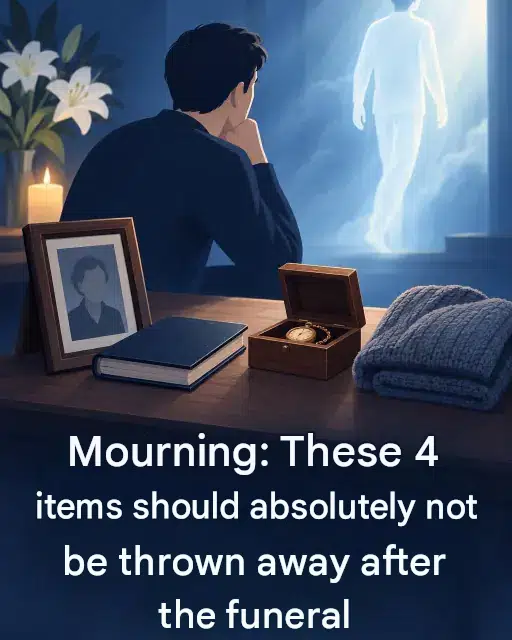
- Personal Correspondence and Journals: Handwritten letters, diaries, and notes offer intimate insights into a loved one’s thoughts, personality, and life journey.
- Photographs and Family Albums: Visual records of past events capture milestones and memories that cannot be replaced once lost.
- Signature Personal Artifacts: Everyday items imbued with personal habit—such as a pocket watch, specific accessories, or favored garments—serve as powerful physical reminders.
Interesting Facts About Mourning Traditions
Human cultures have developed diverse customs surrounding grief, remembrance, and the preservation of personal belongings throughout history:
- Victorian Mourning Mementos: In the 19th century, keeping detailed lockets, memorial jewelry, and handwritten journals was a widespread and structured part of the mourning process.
- The Psychology of Clutter vs. Comfort: Psychologists note that keeping a small, curated collection of meaningful items provides significantly more emotional comfort than holding onto an entire estate.
- Modern Digital Preservation: Many families now combine physical mementos with digitized photo archives and memorial pages to ensure memories endure for future generations.
Practical Tips for Sorting Through an Estate
If you are faced with the delicate task of organizing a loved one’s belongings after a funeral, consider these thoughtful guidelines:
- Take Your Time: Avoid making rushed decisions about throwing away personal items while grief is still raw and acute.
- Create a “Maybe” Box: Place items you are unsure about into a designated storage box and revisit them months later when emotions are steadier.
- Consult Family Members: Share decisions with other relatives to ensure everyone has a voice in preserving cherished family heirlooms and mementos.
Conclusion
The period following a funeral is a delicate time focused on remembrance, healing, and honoring a life well-lived. By exercising care and patience when handling personal possessions, families can preserve the meaningful history and cherished memories of their loved ones for years to come.
FAQ Section
Why is it advised not to throw away certain items immediately after a funeral?
Immediate disposal during acute grief can lead to impulsive decisions and lasting regret over lost family history and sentimental mementos.
What types of items are most important to preserve?
Handwritten letters, personal journals, family photographs, and signature personal artifacts carry the highest sentimental and historical value.
How should families handle overwhelming estate sorting?
Taking time, avoiding rushed clean-outs, and setting aside uncertain items in temporary storage helps families process grief without losing precious keepsakes.
Do mourning traditions vary across cultures?
Yes, various cultures practice unique customs regarding memorials, remembrance, and the respectful handling of a departed person’s belongings.
