
Introduction
In recent years, superfoods have taken the health and wellness world by storm, becoming a staple in modern kitchens and viral online wellness guides. From ancient grains to nutrient-dense seeds, people are constantly looking for simple, natural dietary additions that promote longevity, cardiovascular health, and cognitive function. Among these nutritional powerhouses, chia seeds have earned an exceptional reputation for their remarkable versatility and impressive array of health benefits.
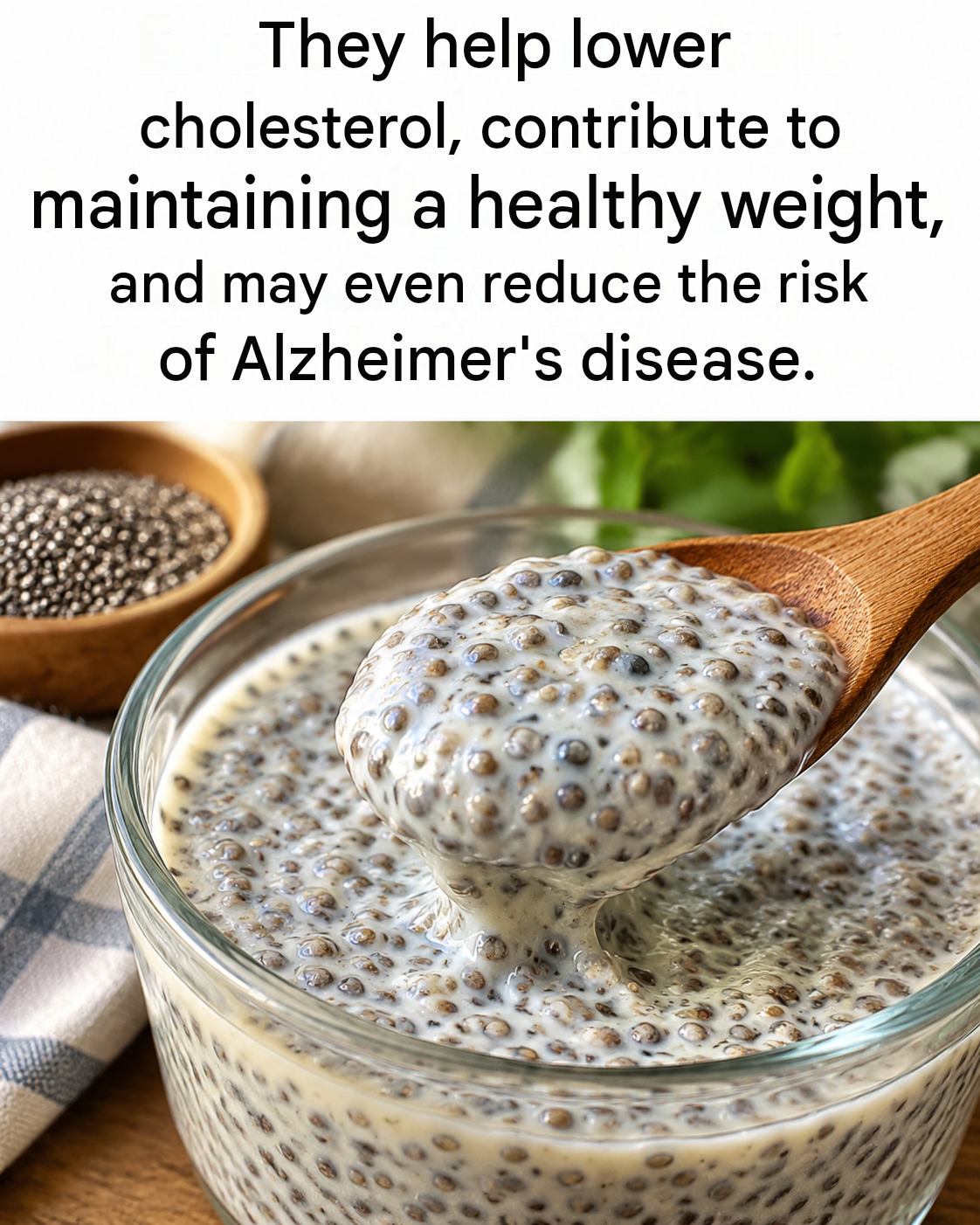
Whether soaked in plant-based milk to create a creamy pudding or sprinkled over morning yogurt, these tiny seeds pack a massive nutritional punch. In this comprehensive guide, we will explore how incorporating chia seeds into your daily routine can help lower cholesterol, contribute to maintaining a healthy weight, and potentially reduce the risk of cognitive decline and Alzheimer’s disease. We will also examine practical tips for preparation, nutritional science, and how proper health and financial planning support overall wellbeing.
Nutritional Profile: Why Chia Seeds Are a Superfood
Originating from Central America, chia seeds were a fundamental component of ancient Aztec and Mayan diets, prized for their ability to sustain energy during long journeys and physical labor. Today, modern nutritional science confirms what ancient civilizations intuitively knew.
A standard two-tablespoon serving of chia seeds is rich in essential nutrients:
Dietary Fiber: High fiber content promotes healthy digestion, stabilizes blood sugar levels, and keeps you feeling full longer.
Omega-3 Fatty Acids: Packed with alpha-linolenic acid (ALA), a plant-based omega-3 fatty acid that supports heart and brain health.
Complete Plant Protein: Contains all nine essential amino acids, making them an excellent protein source for vegetarians and vegans.
Vitamins and Minerals: Rich in calcium, magnesium, phosphorus, and zinc, which are vital for bone density and metabolic function.
Lowering Cholesterol and Supporting Cardiovascular Health
Cardiovascular disease remains a leading health concern globally. Maintaining healthy cholesterol levels is a cornerstone of preventing heart attacks, strokes, and related medical emergencies.
Dietary fiber and omega-3 fatty acids play a vital role in cardiovascular wellness:
Cholesterol Regulation: Soluble fiber binds to cholesterol in the digestive tract, helping the body excrete it before it can be absorbed into the bloodstream. This process helps lower low-density lipoprotein (LDL) cholesterol levels.
Blood Pressure Support: Omega-3 fatty acids help reduce systemic inflammation and support flexible, healthy blood vessels, contributing to optimal blood pressure regulation.
Managing long-term health also involves practical preparation, such as maintaining comprehensive health insurance and scheduling regular checkups with medical doctors to monitor lipid panels and heart health metrics.
Weight Management and Satiety
Maintaining a healthy weight is essential for reducing the risk of chronic conditions such as type 2 diabetes, joint pain, and metabolic syndrome. Chia seeds are uniquely suited to support weight management goals due to their gelling properties.
When chia seeds are exposed to liquid—such as water, milk, or yogurt—they absorb up to twelve times their weight in water, forming a thick mucilaginous gel. This expanding gel slows down digestion, prolongs stomach emptying, and promotes a sustained feeling of fullness, naturally curbing overeating and snacking between meals.
Cognitive Function and Brain Health
As medical research advances, scientists are increasingly exploring the connection between diet and neurodegenerative conditions like Alzheimer’s disease. The high concentration of antioxidants and anti-inflammatory omega-3 fatty acids found in chia seeds offers significant protective benefits for the brain:
Combating Oxidative Stress: Antioxidants neutralize free radicals that cause cellular damage and inflammation in neural tissues.
Supporting Brain Cell Structure: Omega-3 fatty acids are fundamental components of neuronal cell membranes, supporting neurotransmitter function and cognitive longevity.
Practical Tips for Incorporating Chia Seeds Into Your Diet
Adding chia seeds to your daily meals is remarkably easy because they have a mild, nutty flavor that blends seamlessly into various dishes.
1. Make Simple Chia Pudding
Mix two tablespoons of chia seeds with half a cup of almond or coconut milk, a dash of vanilla, and a touch of honey. Let it sit in the refrigerator overnight to enjoy a rich, creamy pudding in the morning.
2. Blend Into Smoothies
Drop a spoonful of dry chia seeds straight into your morning fruit and vegetable smoothie for an instant boost of fiber and protein without altering the taste.
3. Sprinkle Over Salads and Yogurt
Add texture and crunch by scattering chia seeds over grain bowls, morning oatmeal, salads, or avocado toast.
Interesting Facts About Chia Seeds
The Meaning of “Chia”: The word “chia” originates from the ancient Mayan word chian, which translates directly to “strength.”
Remarkable Shelf Life: Due to their high concentration of natural antioxidants, raw chia seeds can be stored for years without spoiling or going rancid.
Hydration Power: Because they absorb massive amounts of liquid, endurance athletes sometimes use chia gels to maintain hydration and electrolyte balance during long races.
Conclusion
Incorporating nutrient-dense foods like chia seeds into your daily routine is a simple, effective way to support your cardiovascular health, manage your weight, and protect your long-term cognitive function. By combining balanced nutrition with regular physical activity and professional medical guidance, you can build a sustainable foundation for lifelong wellbeing.
Frequently Asked Questions (FAQ)
How do chia seeds help lower cholesterol?
The high soluble fiber content in chia seeds binds to cholesterol in the digestive system, assisting the body in eliminating it and helping to reduce overall LDL cholesterol levels.
Can chia seeds help with weight loss?
Yes. Chia seeds expand in liquid and slow down digestion, promoting a prolonged feeling of fullness that helps control appetite and reduce overall calorie intake.
Are there any side effects to eating chia seeds?
Chia seeds are safe for most people, but because they are exceptionally high in fiber, you should introduce them gradually into your diet and drink plenty of water to prevent digestive discomfort.
