
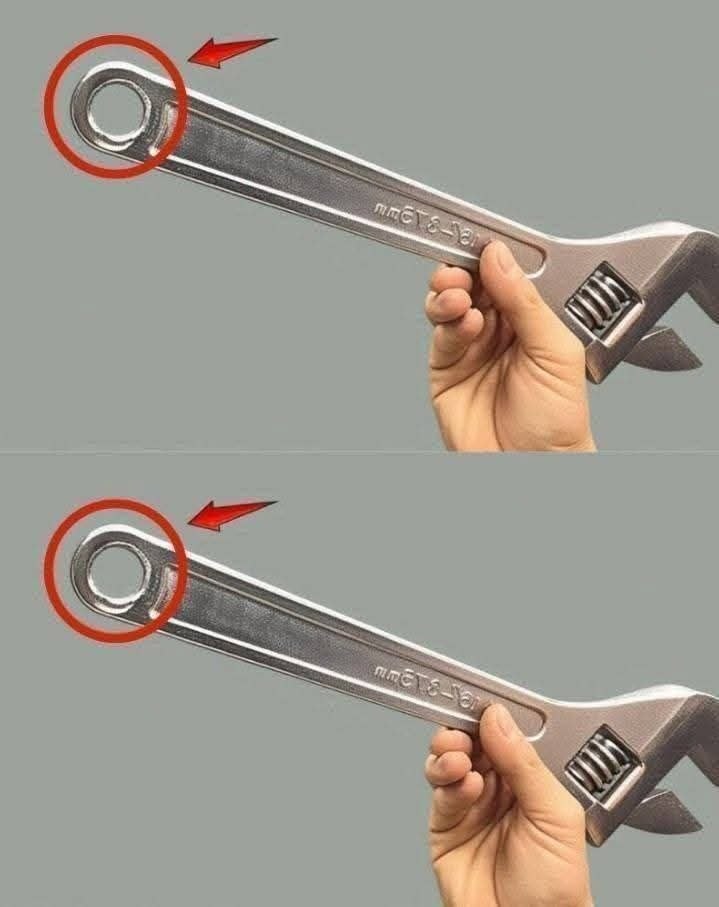
Whether you are a professional tradesperson or a DIY home enthusiast, you have likely used an adjustable crescent wrench countless times. While most people focus on the knurled adjustment wheel and adjustable jaws, almost every wrench features a distinct circular hole engineered into the bottom of the handle.
Is it just for hanging the tool on a pegboard, or does it serve a hidden mechanical function? Here is the breakdown of what this feature is designed to do.
Primary Functions of the Wrench Handle Hole
The circular cutout at the end of an adjustable wrench serves several distinct practical purposes in the workshop and on job sites:
-
Hanging Storage and Organization: The most common everyday use is hanging the tool neatly on a pegboard hook, tool rack, or tool belt lanyard for easy access and clutter-free storage.
-
Safety Lanyard Attachment: For construction workers and technicians working at heights, looping a safety lanyard through the hole prevents dropped tool hazards and protects workers below.
-
Extra Leverage Assistance: In high-torque situations, tradespeople often slide a secondary bar, pipe, or screwdriver shaft through the hole to create extra leverage when loosening stubborn, rusted bolts.
-
Weight Reduction: Removing solid steel from the tail end of the handle reduces total tool weight without sacrificing overall structural integrity and drop forged strength.
Crescent Wrench vs. Box-End Wrench Comparison
| Feature | Adjustable Crescent Wrench | Fixed Box-End Wrench |
| Jaw Versatility |
Fits multiple metric and imperial bolt sizes |
Fixed single bolt size |
| Handle End Feature |
Round storage/lanyard hole or lanyard slot |
Closed 6-point or 12-point box wrench head |
| Best Used For |
General plumbing, light automotive, household repairs |
High-torque automotive and heavy machinery assembly |
| Primary Advantage | Eliminates carrying full wrench sets | Maximum grip strength without rounding bolt edges |
Practical Maintenance Tips for Hand Tools
Taking care of your hand tools ensures they last a lifetime and perform reliably:
-
Keep Threads Lubricated: Apply a drop of 3-in-1 machine oil or mineral oil to the knurled worm gear to keep the adjustable jaws sliding smoothly.
-
Prevent Rust Formation: Store tools in dry environments and wipe down steel handles with an oiled rag to prevent moisture oxidation.
-
Use the Correct Direction: Always turn an adjustable wrench so the turning force is applied against the fixed, rigid jaw rather than the moving jaw to prevent tool damage.
Fascinating Historical Facts About the Adjustable Wrench
-
Swedish Design Roots: The modern adjustable wrench design was patented in 1891 by Swedish inventor Johan Petter Johansson, who wanted a single tool that could fit all nut sizes.
-
The “Crescent” Name: The term “Crescent wrench” became a universal term after the Crescent Tool Company popularized the design in the early 20th century.
Home Improvement, Safety, and Equipment Insurance Insights
Proper tool handling and workshop safety protect both personal health and equipment investment:
-
Workshop Safety Compliance: Using safety lanyards on elevated job sites prevents accidental drops and reduces workplace injury liabilities under professional safety guidelines.
-
Homeowners and Property Insurance: Maintaining an accurate inventory of specialized power tools and hand tool collections ensures full replacement coverage under standard personal property insurance.
-
Cost Savings Through DIY: Having essential, versatile tools like adjustable wrenches allows homeowners to perform basic plumbing and mechanical repairs without calling expensive emergency contractors.
Conclusion
The circular hole at the end of an adjustable wrench is much more than a simple design detail. From organized pegboard storage to elevated safety tethering and extra torque capability, this humble feature makes the tool significantly more versatile.
Frequently Asked Questions (FAQ)
What is the hole at the end of an adjustable wrench for?
It is primarily used for hanging the tool on pegboards, attaching drop-prevention safety lanyards, reducing tool weight, and providing extra leverage when needed.
Can you put a screwdriver through the hole for more leverage?
Yes, inserting a screwdriver or small metal rod through the hole can create a T-handle effect for extra turning power, though excessive force can bend the handle.
How do you stop an adjustable wrench jaw from slipping?
Always position the wrench so the force is applied to the fixed lower jaw, and tighten the worm gear firmly against the flat sides of the bolt head before turning.
