
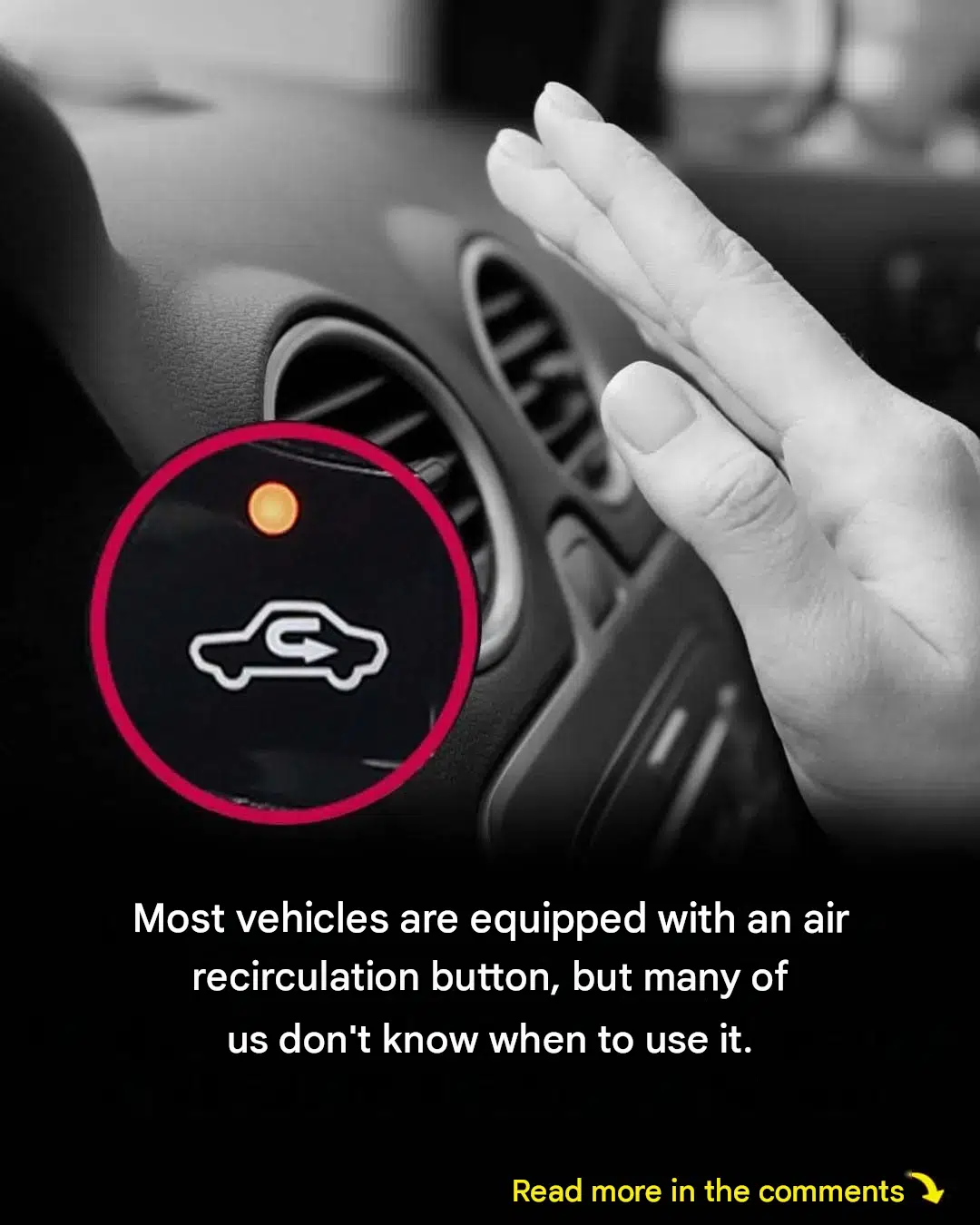
Every modern automobile dashboard comes fitted with an array of buttons, dials, and climate control symbols designed to keep driver and passengers comfortable. Among these controls sits a button featuring a small icon of a car with a looped arrow inside it. Known as the air recirculation button, this feature is present in almost every vehicle on the road today, yet millions of drivers press it without fully understanding its mechanical function or knowing when it should be switched on or off.
Using the air recirculation mode incorrectly can lead to foggy windows, reduced fuel efficiency, or compromised cabin air quality. In this comprehensive article, we explore how air recirculation works, when to use it for maximum cooling, when to turn it off, and essential vehicle maintenance tips for a healthier drive.
How the Air Recirculation Button Works
To understand the purpose of this control, it helps to look at the two primary ways your vehicle’s heating, ventilation, and air conditioning (HVAC) system draws air into the cabin:
1. Fresh Air Mode (Default)
When the recirculation button is turned off, the vehicle’s intake duct opens to pull outside air into the cabin. The incoming air passes through the cabin air filter, gets heated or cooled by the HVAC system, and circulates through the interior vents before exiting through rear exhaust flaps.
2. Recirculation Mode
When you press the button and turn the feature on, the system closes the front intake flap. Instead of drawing in outside air, the HVAC blower pulls air from inside the passenger cabin, passes it through the climate system, and blows it back out through the dashboard vents.
When You Should Use Air Recirculation
Knowing the ideal scenarios to activate recirculation can make your drive far more comfortable and efficient:
1. Hot Summer Days for Rapid Cooling
In scorching summer heat, ambient outside air can exceed 90°F or 100°F. If you draw in hot outside air, your air conditioning compressor has to work extremely hard to cool it down continuously. Activating recirculation re-cools the air already inside the cabin, reaching cold temperatures much faster while reducing load on the engine and AC compressor.
2. Driving Through Heavy Traffic or Smog
When stuck in bumper-to-bumper traffic, behind a diesel truck, or driving through industrial areas, turning on recirculation prevents foul exhaust fumes, carbon monoxide, dust, and unpleasant odors from entering your vehicle.
3. Allergy Season and High Pollen Days
Recirculating cabin air limits the entrance of airborne allergens, ragweed, and seasonal tree pollen, creating a cleaner environment for passengers suffering from allergies or respiratory sensitivities.
When You Should TURN OFF Air Recirculation
Using recirculation at the wrong time can create driving hazards or uncomfortable conditions inside the car:
1. Cold Winter Days and Window Fogging
In cold or rainy weather, moisture from the breath and body heat of passengers increases humidity inside the car. Leaving recirculation on traps this moisture, causing the interior side of the windshield and windows to fog up rapidly. Turning off recirculation pulls in drier outside air, which defogs the glass quickly.
2. Long Highway Trips with Multiple Passengers
Leaving recirculation engaged for hours in a sealed car with multiple passengers can cause carbon dioxide ($\text{CO}_2$) levels to rise slightly, which may induce drowsiness or fatigue. Switching to fresh air mode periodically ensures healthy oxygen circulation.
Financial, Insurance, and Maintenance Considerations
Proper climate control usage directly impacts your vehicle’s mechanical health and fuel economy:
Improving Fuel Efficiency: When your AC system works less to cool recirculated air, it places less strain on the engine’s accessory belt, helping improve fuel economy during hot summer months.
Replacing the Cabin Air Filter: To maintain clean airflow whether in fresh or recirculated mode, replace your cabin air filter every 12,000 to 15,000 miles to prevent dust accumulation, mold spores, and musty odors.
Essential Best Practices for Drivers
To keep your car’s interior fresh and clear, follow these practical rules of thumb:
Summer Rule: Start with fresh air for 1–2 minutes with windows cracked to let hot trapped air escape, then switch to recirculation and roll up windows for maximum cooling.
Winter Rule: Keep recirculation off during cold weather to prevent dangerous windshield fogging.
Use Auto Climate Control: If your car features automatic climate control, the vehicle’s computer will automatically switch between fresh air and recirculation based on interior humidity and set temperatures.
Fascinating Facts About Vehicle Climate Systems
Automatic Defrost Override: On most modern vehicles, engaging the windshield defroster automatically turns off the air recirculation button to prevent trapping interior humidity against the cold glass.
HEPA Filtration in Modern Cars: Premium electric and luxury vehicles now feature advanced HEPA filtration systems that work alongside recirculation to trap 99.97% of airborne particulate matter.
Conclusion
The air recirculation button is a powerful tool for rapid summer cooling and blocking outside pollution. By understanding when to switch between recirculated and fresh air modes, you can enjoy maximum driving comfort, clear visibility, and optimal fuel efficiency all year round.
Frequently Asked Questions (FAQ)
Does air recirculation save gas?
Yes. During hot weather, recirculating pre-cooled air requires less power from the AC compressor, reducing engine load and saving a small amount of fuel.
Why do my windows fog up when recirculation is on?
Trapped moisture from passenger breath and sweat increases cabin humidity. When that humid air meets cold window glass, it condenses into fog. Switching to fresh air clears the condensation.
Should I use recirculation when heating the car in winter?
No. Using recirculation while running the heater in winter traps humidity inside, causing windows to fog up quickly and making it harder to maintain clear visibility.
How often should I change my cabin air filter?
Most manufacturers recommend replacing the cabin air filter every 12,000 to 15,000 miles, or once a year, to maintain clean airflow throughout the heating and cooling system.
