
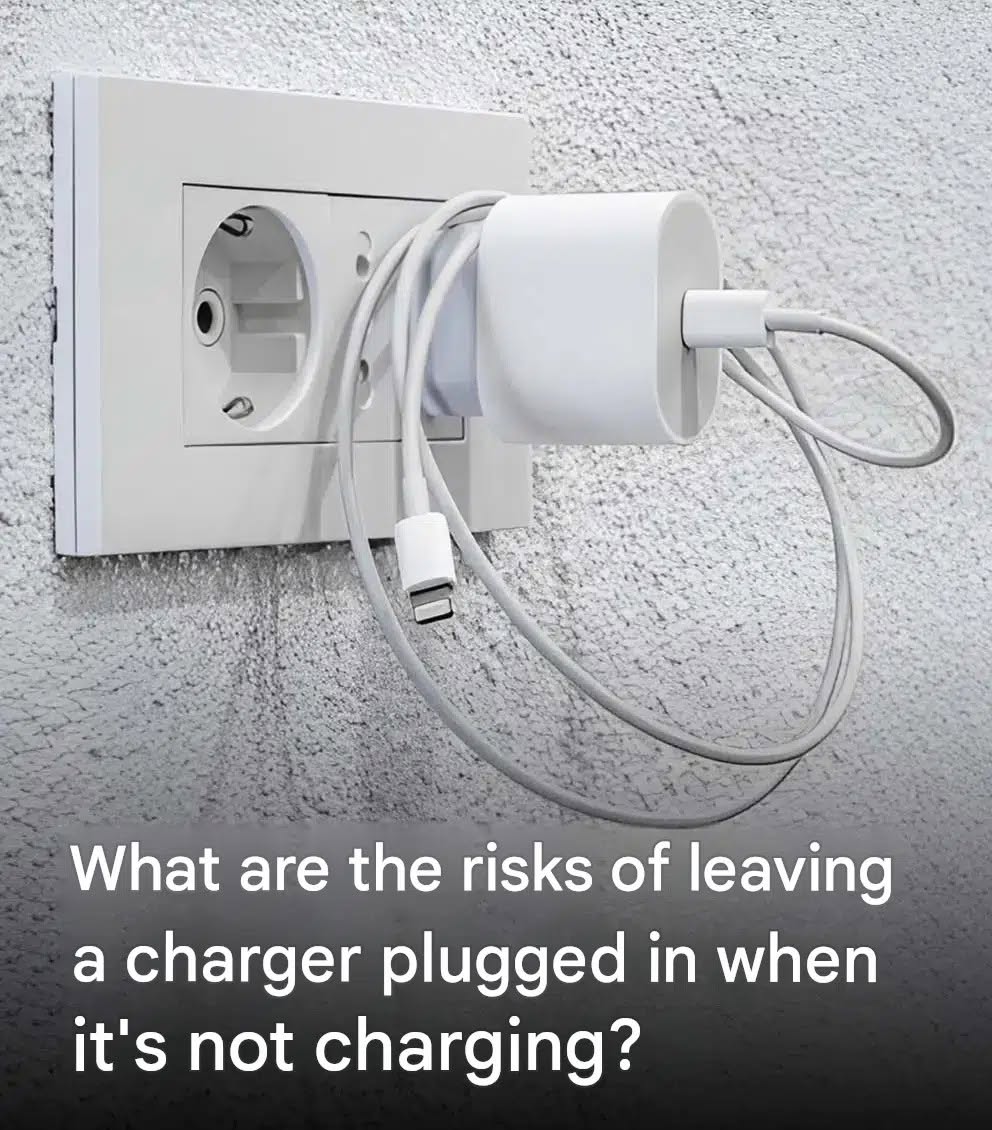
In millions of households around the globe, plugging in a smartphone, tablet, or laptop charger has become a daily automatic routine. Once our devices are fully powered up, we unplug the phone or laptop and rush off about our day, frequently leaving the empty charger block and loose cable plugged straight into the wall outlet. It seems entirely harmless—after all, no device is connected, so no power is flowing, right?
Electrical safety experts, consumer advocates, and energy efficiency engineers reveal that leaving chargers plugged in “at a standstill” or “on no-load” involves hidden factors ranging from phantom electricity consumption to potential fire hazards and equipment degradation. In this comprehensive article, we explore the science of vampire power draw, electrical safety risks, financial implications, and best practices for managing home electronics.
The Concept of “Vampire Power” and Phantom Load
To understand what happens when a charger remains plugged into an active wall socket without a device attached, we must examine how modern power adapters operate.
How Smart Chargers Work
A standard USB phone charger or laptop power brick is not just a piece of copper wire; it contains a miniature electronic transformer and circuit board. This internal circuitry steps down high-voltage alternating current (AC) from your wall outlet into low-voltage direct current (DC) suitable for charging battery-powered devices.
Vampire Draw Explained
Even when no smartphone or tablet is plugged into the cable’s end, the internal components inside many chargers continue to draw a tiny amount of electricity from the wall outlet as long as the circuit remains closed. This phenomenon is commonly known as phantom load or vampire power draw. While the electricity drawn by a single idle charger is exceptionally small—often measuring a fraction of a watt—multiplied across multiple rooms and millions of households worldwide, it contributes to unnecessary energy waste.
Potential Risks and Safety Concerns
Beyond minor energy consumption, leaving chargers plugged in indefinitely introduces several distinct physical and financial risks.
1. Electrical Fire Hazards and Component Degradation
Cheap, uncertified, or counterfeit third-party chargers purchased online often lack robust internal thermal cutoffs and surge protection features. When left plugged into a wall outlet 24/7, these low-quality components experience constant thermal stress. Over months and years, internal capacitors degrade, increasing the risk of short circuits, overheating, sparking, or electrical fires—especially if dust accumulates around the socket or power strip.
2. Voltage Fluctuations and Power Surges
Electrical grids experience minor voltage spikes, lightning surges, and power fluctuations daily. Leaving sensitive electronic chargers connected to wall sockets makes them continuously vulnerable to these surges, which can prematurely fry internal micro-chips or damage connected cables.
3. Pet and Child Safety Hazards
Leaving loose charging cables dangling from wall outlets near the floor creates potential physical hazards. Curious toddlers or household pets may chew on live cables or tug on dangling cords, risking electric shock, burns, or pulling heavy charging blocks down onto themselves.
Financial, Legal, and Insurance Considerations
Home electrical safety and energy management carry direct financial and insurance implications for homeowners and renters.
1. Homeowners Insurance and Electrical Fires
In the unfortunate event of an electrical fire originating from a faulty or overheating appliance charger, insurance investigators review the root cause carefully. Ensuring that appliances and chargers meet safety certifications (such as UL listings or CE marks) and avoiding unattended overloaded outlets helps maintain compliance with standard homeowners insurance policy requirements.
2. Cumulative Energy Costs
While a single idle charger costs only pennies per year on your utility bill, scaling that across a typical modern home—equipped with phone chargers, laptop bricks, smart home hubs, and grooming appliance adapters—adds up to noticeable wasted energy over an annual billing cycle.
Essential Electrical Safety Best Practices
To protect your home, extend the lifespan of your electronics, and reduce unnecessary energy waste, adopt these simple safety habits:
Unplug When Not in Use: Cultivate the habit of unplugging charger blocks from the wall outlet immediately after your device reaches 100% battery or when you finish charging.
Invest in Certified Equipment: Always use original equipment manufacturer (OEM) chargers or certified third-party accessories with built-in overload protection rather than cheap, unbranded alternatives.
Use Switched Power Strips: Plug multiple chargers into a surge protector or power strip equipped with an master on/off switch, allowing you to cut power to all connected devices simultaneously with a single click.
Inspect Cords Regularly: Periodically check your charging cables and adapter blocks for signs of fraying, exposed copper wire, melting, discoloration, or unusual warmth to the touch.
Fascinating Facts About Standby Power
Global Energy Waste: Studies by international energy agencies estimate that standby power consumption accounts for roughly 5% to 10% of total residential electricity use, translating to billions of dollars in wasted power worldwide annually.
Smart Outlets: Modern smart plugs and automated home automation systems allow homeowners to schedule automated power cutoffs for electronic charging stations, eliminating vampire draw entirely without manual unplugging.
Transformer Evolution: Older heavy linear power adapters generated significant heat and wasted substantial idle energy, whereas modern switch-mode power supplies are vastly more efficient when operating on no-load conditions—though standby draw is still present.
Conclusion
While leaving a modern, high-quality phone charger plugged into a wall outlet overnight or during the day does not present an immediate catastrophic danger in most cases, it does introduce unnecessary risks. From subtle vampire power consumption and component wear to potential fire hazards associated with cheap, uncertified adapters, unplugging your chargers when not in use is a smart, safe, and efficient habit to maintain.
Frequently Asked Questions (FAQ)
Do phone chargers use electricity when nothing is plugged in?
Yes, but the amount is extremely small. Because internal transformers maintain an active circuit, they draw a tiny fraction of a watt (phantom load) even when no device is attached.
Can leaving a charger plugged in start a fire?
While rare with certified brand-name chargers, low-quality, counterfeit, or damaged chargers left plugged in indefinitely can overheat due to internal component failure or power surges, potentially posing an electrical fire risk.
Do laptops and tablet chargers draw more standby power than phone chargers?
Yes. Larger power bricks (such as those for laptops or gaming consoles) contain larger transformers and often exhibit a slightly higher standby power draw than compact smartphone chargers.
Is it safe to leave a charger plugged into a surge protector?
Plugging chargers into a quality surge protector with built-in circuit breakers offers better protection against voltage spikes than a direct wall outlet, but turning off the power strip switch is still the safest way to cut standby draw completely.
