
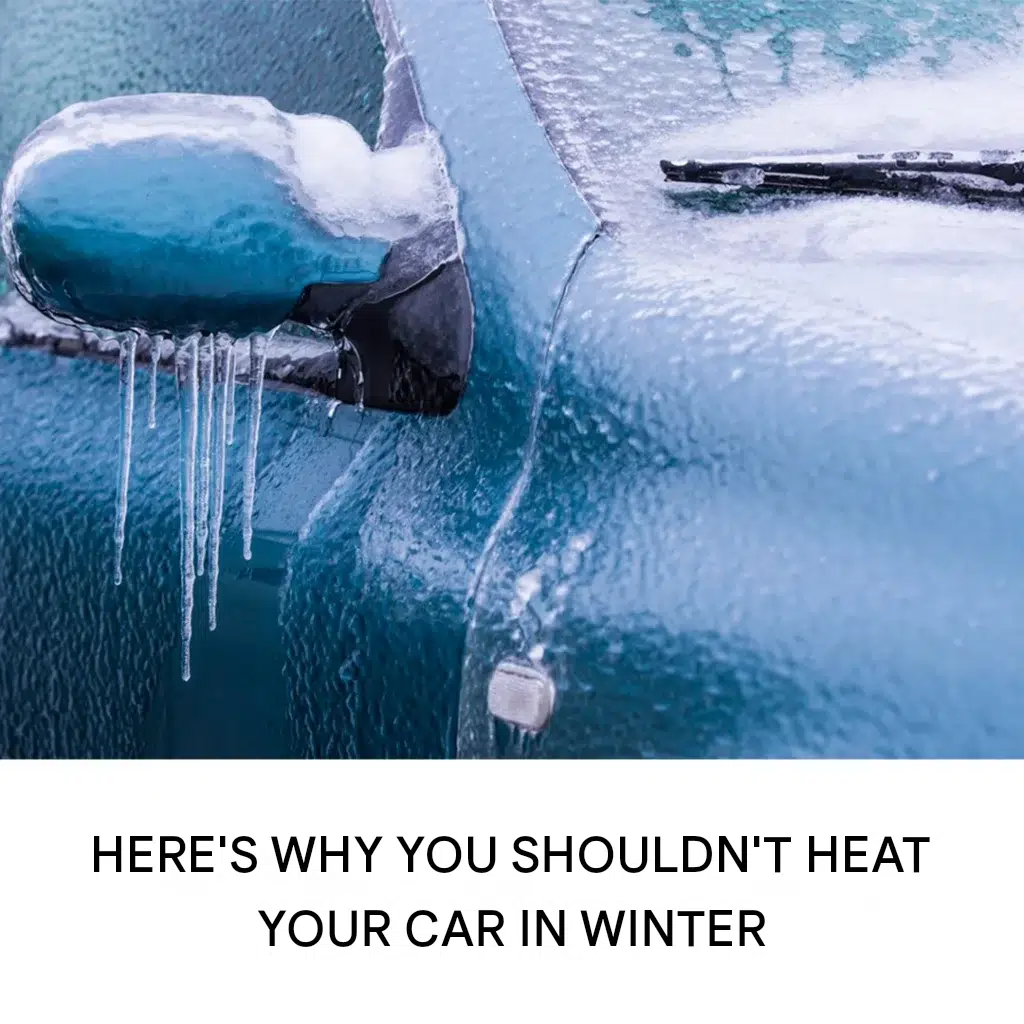
When freezing temperatures and heavy frost coat your vehicle on a winter morning, the traditional habit for many drivers is to start the engine, turn on the heater, and let the car idle in the driveway for 10 to 15 minutes before setting off. Generations of motorists grew up believing that an extended idling period is essential to warm up the engine and protect mechanical components from cold-weather wear.
However, modern automotive engineering, fuel efficiency studies, and environmental experts reveal that prolonged idling is not only unnecessary for modern cars, but it can actually be counterproductive. In this comprehensive article, we explore how modern fuel injection systems work, the mechanical realities of winter driving, and the best practices for warming up your vehicle efficiently.
The Myth of Extended Idling in Modern Vehicles
To understand why prolonged engine idling is discouraged, it helps to examine how vehicle technology has evolved over the decades.
Carburetors vs. Modern Fuel Injection
Older Vehicles: Vehicles built decades ago featured carburetors that required time to mix fuel and air properly in cold weather. Without a warm-up period, older engines would stall or sputter when shifting into gear.
Modern Vehicles: Today’s automobiles rely on computer-controlled electronic fuel injection (EFI) systems equipped with advanced sensors. These computers automatically adjust the air-fuel mixture the second the engine starts, allowing the vehicle to be driven almost immediately.
Why Prolonged Idling Is Inefficient
Leaving your car idling in the driveway for extended periods creates several drawbacks without providing significant benefits to modern engines:
1. Increased Fuel Consumption and Emissions
An idling engine gets zero miles per gallon. Letting your car sit and warm up burns fuel unnecessarily, increases household fuel expenses, and releases avoidable carbon emissions into the atmosphere.
2. Slower Engine Warm-Up Times
An engine actually warms up much faster when the car is being driven gently under a normal load than when it is left idling in park. Driving at low speeds helps all mechanical systems—including the transmission, tires, and suspension—reach their optimal operating temperatures simultaneously.
3. Cylinder Wash and Oil Dilution
When an engine runs cold for too long, excess liquid fuel can wash away the protective oil film coating the cylinder walls, leading to increased friction and accelerated wear on piston rings over time.
Financial, Legal, and Maintenance Considerations
Winter vehicle operation also involves regulatory rules and vehicle maintenance priorities:
1. Municipal Idling Laws
Many cities and local municipalities have enacted strict anti-idling laws to reduce urban air pollution. Leaving an unattended vehicle running in a driveway can also violate local ordinances or create security risks for vehicle theft.
2. Protecting Vehicle Components
Proper maintenance—such as using the correct winter-weight synthetic motor oil and checking coolant freezing points—matters far more for cold-weather reliability than letting an engine idle for 20 minutes.
Essential Winter Driving Best Practices
To protect your car and warm up your cabin efficiently on cold mornings, follow these simple guidelines:
Limit Idling to 30 Seconds: Start your engine, fasten your seatbelt, clear any snow off your windows and lights, and you are ready to drive. Thirty seconds is more than enough time for oil to circulate through a modern engine.
Drive Gently at First: For the first few miles of your journey, keep engine RPMs low and avoid heavy acceleration until the temperature gauge reaches its normal operating range.
Use Proper Defrost Settings: Turn on your vehicle’s defroster and cabin fan to clear condensation and ice effectively once the engine begins producing warm air.
Fascinating Facts About Cold Weather Driving
Synthetic Oil Flow: High-quality synthetic motor oils flow significantly better at sub-zero temperatures than conventional oils, protecting vital engine components instantly upon startup.
Battery Strain: Cold weather reduces a car battery’s chemical efficiency while increasing the electrical load due to heaters, defrosters, and headlights, making battery health critical in winter.
Conclusion
While stepping into a pre-warmed car on a freezing winter morning feels comfortable, prolonged engine idling is unnecessary for modern vehicles and wastes fuel. By limiting idle time to a brief startup window, driving gently, and relying on proper maintenance, you protect your engine and improve overall efficiency.
Frequently Asked Questions (FAQ)
Do modern cars need any warm-up time in winter?
A brief 30-second idle is sufficient to circulate engine oil properly. After that, driving gently is the fastest and most efficient way to warm up the vehicle.
Does idling harm the engine?
Extended idling can cause incomplete fuel combustion, leading to carbon buildup on spark plugs and fuel injectors over time.
Is it illegal to leave your car running unattended in the winter?
In many regions, “puffing” (leaving a running car unattended) is illegal due to theft risks and local anti-idling emissions regulations
