
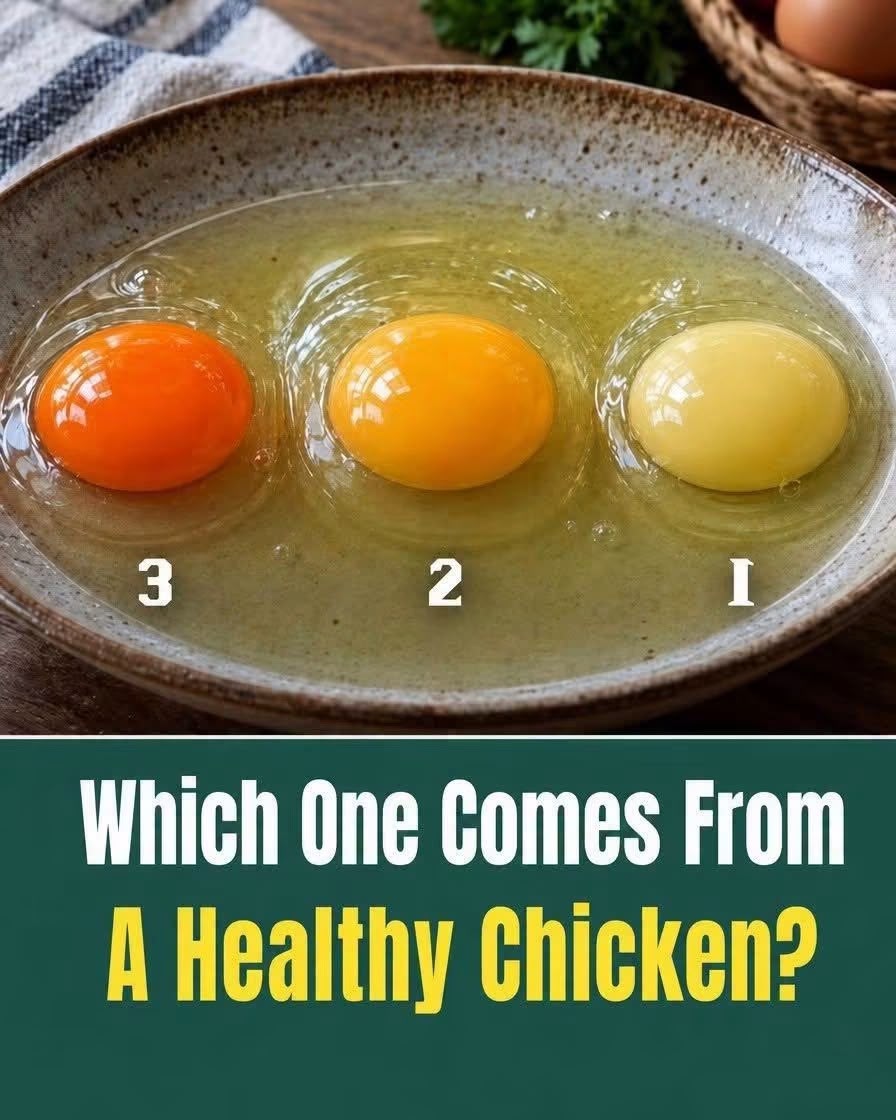
The common breakfast egg is so ubiquitous in our kitchens that we rarely stop to consider what makes it what it is. When you crack open a dozen eggs, you might notice a subtle, or sometimes dramatic, variation in the color of the yolks. From a pale, almost lemon-yellow to a deep, vibrant orange-red, these differences are more than just visual. They tell a complex story about the hen that produced the egg—her diet, her living conditions, and her overall health.
This article dives deep into the science of egg yolk pigmentation, exploring why these colors vary and what they signify for both the chicken and the consumer. We will also touch upon important consumer considerations, including the economics of food production, regulatory standards, and even how these dietary choices intersect with broader financial planning and personal health investments. Understanding the food we eat is a fundamental step toward making informed decisions that benefit our bodies and our budgets.
The Science of Yolk Color: Carotenoids are Key
The color of an egg yolk is not determined by magic, nor by the breed of the chicken, contrary to popular belief. Instead, it is a direct result of the pigments the hen consumes. These pigments are called carotenoids, the same compounds that give carrots their orange color, tomatoes their red, and leafy greens their vibrant hue.
When a hen eats plants, insects, or grains rich in these carotenoids, her body absorbs the pigments and deposits them into the fatty tissues of the yolk. The concentration of these pigments dictates the final color.
Lutein and Zeaxanthin: These are common, pale-yellow carotenoids found in corn, alfalfa, and many green leafy vegetables. Hens consuming a diet heavy in these will produce light yellow yolks.
Canthaxanthin and Capsanthin: These are intense orange-red pigments found in sources like red peppers, paprika, and sometimes marigold petals. Hens with access to these will produce deep, almost fiery orange yolks.
In essence, the yolk is a concentrated snapshot of the hen’s recent diet.
H2: Decoding the Spectrum: From Pale Yellow to Vibrant Orange
Now that we understand the mechanism, let’s analyze the three primary yolk colors and what they typically represent regarding the hen’s diet and environment.
H3: Yolk 1: The Pale Yellow (Pale Yolk)
This color is often seen in conventional, mass-produced eggs.
Diet: The hen was likely fed a standard commercial diet composed primarily of corn and soy. While this provides the necessary calories and protein for the hen to survive and produce eggs, it is often low in the diverse, pigment-rich carotenoids found in more varied sources.
Environment: These hens are often raised in large indoor facilities with little to no access to pasture, insects, or fresh greens. Because they are not foraging for varied plant matter, their intake of complex nutrients and pigments is limited.
Implications: A pale yolk does not inherently mean the egg is unsafe or unhealthy to eat. It simply indicates a less diverse, more controlled diet. The nutritional value in terms of protein, fat, and standard vitamins is generally comparable to a darker yolk, though some studies suggest slight variations in specific micronutrient levels.
H3: Yolk 2: The Golden Yellow (Average Yolk)
This is the most common color found in many “high-quality” or “premium” conventional eggs, and some organic eggs.
Diet: The hen’s diet is more varied than that of a pale-yolk producer. It might include a greater diversity of grains, potentially some added marigold or paprika extract for coloring (a common and safe practice), and possibly some access to greens if kept in a semi-confined outdoor space.
Environment: These hens may have some limited outdoor access, perhaps a “porch” or a small dirt run. This allows for some foraging, which introduces a slightly wider range of pigments and nutrients compared to a strictly indoor bird.
Implications: This yolk color is often perceived as a mark of quality by consumers. It represents a middle ground—a balance between the efficiency of commercial farming and the desire for a more “natural” product. It is a perfectly healthy and nutritious option.
H3: Yolk 3: The Deep Orange (Rich Yolk)
This striking color is typically associated with high-end, pasture-raised eggs.
Diet: The hen has had significant access to a diverse, omnivorous diet. This includes foraging for fresh grasses, clover, insects, and other natural sources of food. This varied diet is exceptionally rich in a wide array of carotenoids, leading to a much higher concentration of pigments in the yolk.
Environment: These hens are pasture-raised, meaning they live outdoors on large tracts of land where they can freely roam and forage. This environment allows for a much more natural and stress-free life for the chicken.
Implications: Many consider this the gold standard for egg quality. A deep orange yolk is a strong indicator that the hen was living in a healthy, natural environment with a nutrient-dense, varied diet. Beyond the pigment, this lifestyle can also lead to eggs that are richer in certain beneficial fatty acids, such as Omega-3s, due to the hen’s consumption of pasture greens and insects.
H2: The Business of Yolks: From Farm Gate to Supermarket Shelf
The variation in yolk color is not just a biological fact; it is also a significant factor in the economics of egg production. Understanding this connection can help consumers make informed decisions that align with their values and their budget.
H3: The Cost of Color: Pasture-Raised vs. Conventional
Producing a deep orange yolk is more expensive for the farmer. It requires raising fewer chickens per acre, providing high-quality pasture, and managing the land sustainably. These operational costs are reflected in the retail price of the eggs.
Conventional Eggs (Pale Yolk): These are the most affordable option. The production model is highly efficient, optimizing for yield and minimizing cost. The focus is on providing basic, balanced nutrition for the hen in a controlled environment.
Pasture-Raised Eggs (Orange Yolk): These carry a premium price tag. The consumer is paying not just for the egg itself, but for the entire production system: animal welfare, environmental stewardship, and the higher costs associated with a free-range lifestyle.
For a consumer, this represents a classic financial planning decision. It’s a choice between a lower-cost, basic food item and a higher-cost, premium product that may offer perceived benefits related to animal welfare, health, and environmental sustainability.
H3: The Consumer’s Dilemma: Value vs. Price
When shopping for eggs, consumers are often faced with a dizzying array of labels: “Cage-Free,” “Free-Range,” “Pasture-Raised,” “Organic,” “Vegetarian-Fed,” “Omega-3 Enriched.”
Cage-Free: Hens are not in cages but are typically kept in large indoor barns. Yolk color can vary, but is often similar to conventional.
Free-Range: Hens have some outdoor access, but the amount and quality of the outdoor space can vary greatly. Yolk color may be slightly better than cage-free but not necessarily deep orange.
Pasture-Raised: Hens have significant outdoor pasture access. This is the label most likely to be associated with a deep orange yolk.
Organic: Refers primarily to the feed (certified organic, no GMOs, no synthetic pesticides) and the conditions (access to the outdoors). It does not guarantee pasture access in the same way that “pasture-raised” does.
Navigating these labels can be complex, and it’s easy to feel overwhelmed. Making the “right” choice often comes down to individual priorities. Some consumers are willing to invest more in their health and the environment, seeing the higher cost of pasture-raised eggs as a worthwhile expense. Others may have a strict budget and prioritize affordability, making conventional eggs the sensible choice for their financial situation.
Ultimately, the best choice is an informed one. Understanding that a deep orange yolk is a marker of a pasture-raised lifestyle allows consumers to confidently select the product that meets their specific criteria.
H2: Health Implications: Are Orange Yolks More Nutritious?
While the primary difference is pigment, does the diet that creates an orange yolk also create a more nutritious egg overall? The answer is complex but leans toward “yes.”
Studies have shown that pasture-raised eggs, which are more likely to have deep orange yolks, can contain:
More Omega-3 Fatty Acids: Hens that eat fresh grass and insects have higher levels of Omega-3s in their tissues, which are then passed on to the egg. This is a significant nutritional benefit, as Omega-3s are linked to heart health and reduced inflammation.
More Vitamins A, E, and D: The diverse diet of a pastured hen can lead to higher concentrations of these fat-soluble vitamins in the yolk.
Fewer Unwanted Components: Some studies suggest that hens raised in more natural, less crowded environments may have a lower risk of certain bacterial infections, though this is heavily dependent on overall farm management.
However, it’s important to put this in perspective. All eggs are an excellent source of high-quality protein, essential amino acids, and important nutrients like choline, iron, and vitamin B12, regardless of yolk color. Choosing a conventional egg is still a healthy dietary choice. The benefits of a pasture-raised egg are an added bonus, not a prerequisite for a healthy breakfast.
For individuals managing their health through diet, understanding these differences can be a useful tool. But it’s always wise to consult with a healthcare professional or a registered dietitian to determine the best dietary choices for your individual needs.
H2: Interesting Facts About Egg Yolks
The First Egg: When a young hen (a pullet) starts laying, her first few eggs are often smaller, with pale yolks. Her body is still adjusting, and her yolk pigmentation process isn’t fully developed.
Breed Does Not Determine Yolk Color: The color is 100% diet-dependent. A white Leghorn hen and a brown Rhode Island Red hen, if fed the exact same diet, will produce eggs with the same yolk color.
Color is Not a Safety Indicator: A pale yolk is not a sign of a bad or unsafe egg. It simply means the hen’s diet was less varied.
Artificial Pigments: In some commercial operations, marigold extract or other natural, safe pigments are added to the feed to ensure a consistent, appealing golden-yellow yolk color. This is an industry practice to meet consumer expectations for a specific shade.
Conclusion
The color of an egg yolk is a fascinating and complex indicator of the life led by the hen that laid it. From the pale yellow of an indoor-raised bird to the deep orange of a pasture-foraging one, every shade tells a story.
Understanding this spectrum empowers you, the consumer, to make choices that align with your personal values, whether that means prioritizing affordability, animal welfare, environmental sustainability, or the potential for increased nutritional density. While all eggs are a nutritious food source, the differences in yolk color highlight the diverse ways our food is produced.
As you crack open your next egg, take a moment to appreciate its unique shade. It’s not just breakfast; it’s a small, colorful insight into a much larger system of agriculture, health, and personal finance. Being an informed consumer allows you to choose what’s best for you and your family.
FAQ Section
Q1: Does a darker, orange yolk taste better?
A: Many people believe it does, describing a richer, more complex flavor. However, taste is subjective. A true blind taste test might reveal that the difference is subtle for many consumers. The primary difference is in the pigment concentration, which doesn’t directly correlate with a strong flavor profile in the same way that fat content might. The perception of better taste is often linked to the overall quality associated with a pasture-raised egg.
Q2: Why do my organic eggs sometimes have pale yolks?
A: “Organic” refers to the feed and the living conditions, but it doesn’t guarantee pasture access. An organic hen may still be kept in a large indoor barn with only a small, enclosed outdoor “porch.” If the hen isn’t actually foraging on diverse pasture plants, her diet, and therefore her yolk color, may not be significantly different from a conventionally raised hen’s diet. To ensure a deep orange yolk, look for “pasture-raised” in addition to “organic.”
Q3: Can I tell if an egg is fresh by its yolk color?
A: No. Yolk color is purely a result of diet and has no relationship to the age of the egg. You can determine freshness by checking the “sell-by” date, performing a float test (fresh eggs sink, old eggs float), or looking at the albumen (egg white); a thick, cloudy white indicates freshness, while a thin, runny white indicates an older egg.
Q4: Is it true that pale yolks are bad for you?
A: Absolutely not. A pale yolk is completely safe and nutritious to eat. It just means the hen was fed a different, less varied diet than a hen that produces a darker yolk. The core nutritional value of the egg—protein, vitamins, and minerals—remains high.
Q5: Is investing in expensive, pasture-raised eggs a good financial decision?
A: This is a personal financial planning decision. For many, the higher cost is justified by the perceived benefits to animal welfare, environmental health, and a potential, though not guaranteed, increase in Omega-3s and vitamins. If your primary goal is to minimize food costs, conventional eggs are a perfectly acceptable choice. It comes down to what you value and what fits within your budget.
