
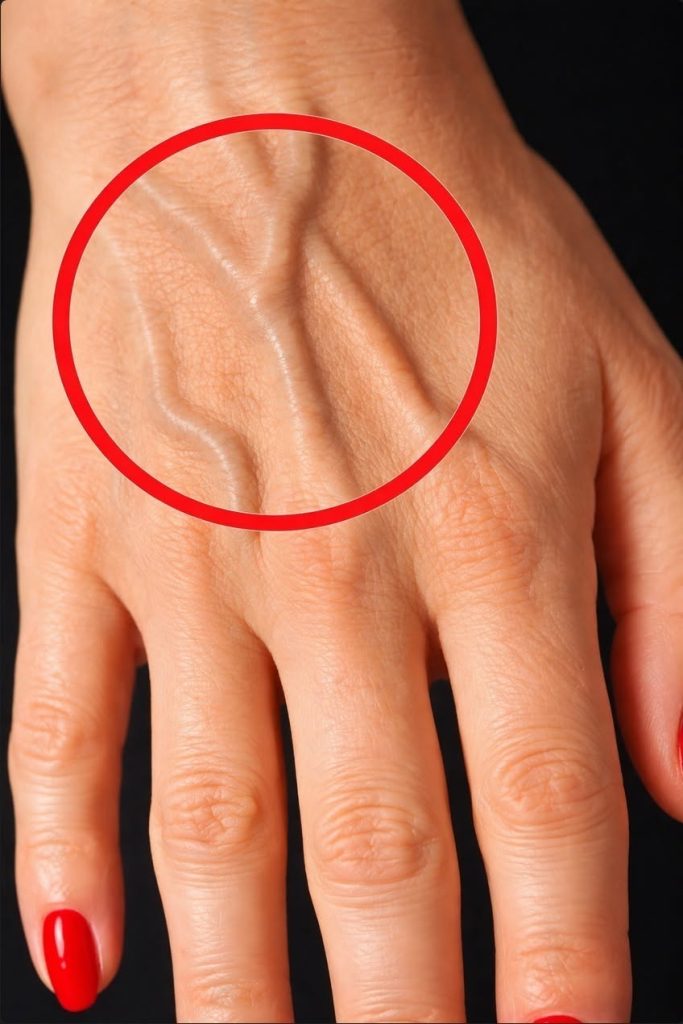
Noticing prominent, raised, or bulging veins on the back of your hands is a common experience, particularly as we grow older or maintain an active lifestyle. While social media posts occasionally spark panic by suggesting that visible hand veins indicate serious vascular disease or dangerous high blood pressure, vascular specialists and dermatologists emphasize that in the vast majority of cases, prominent hand veins are a completely normal, benign physiological occurrence.
Unlike varicose veins in the lower legs—which frequently stem from damaged venous valves and chronic circulatory insufficiency—raised veins on the hands are primarily superficial veins doing their everyday job of returning blood to the heart. However, because sudden vascular changes, local inflammation, or aesthetic concerns can arise, understanding the physiological triggers behind hand vein visibility empowers you to maintain optimal vascular and skin health.
In this comprehensive medical and lifestyle guide, we will analyze the primary biological reasons why veins bulge on the hands, differentiate normal vascularity from medical concerns, explore cosmetic and medical treatment options, and discuss the broader financial, health insurance, and legal protections involved in personal healthcare management.
1. Primary Biological Causes of Bulging Hand Veins
Several natural physiological and environmental factors influence how raised and visible the superficial veins on your hands appear:
Natural Collagen Loss and Skin Thinning
As the body ages, the skin on the back of the hands naturally loses collagen, elastin, and subcutaneous fat stores. Because the skin layer becomes thinner and more translucent over time, superficial veins (dorsal venous network) that were once cushioned beneath youthful tissue become noticeably raised and prominent.
Low Body Fat Percentage
Individuals with lean physiques, low body fat levels, or high muscle density naturally possess less subcutaneous adipose tissue covering their blood vessels. Without an insulating fat layer beneath the dermis, veins press against the skin surface, appearing visibly blue, green, or raised.
Intense Exercise and Physical Exertion
During physical exercise, manual labor, or heavy lifting, blood pressure and heart rate naturally rise to deliver oxygen-rich blood to active muscles.
Vasodilation: Arteries and veins expand (vasodilate) to accommodate increased blood flow.
Fluid Displacement: Muscle tissues swell during exertion, pushing superficial veins outward against the thin skin layer, creating a temporary “pumped” or bulging look.
Hot Weather and Temperature Fluctuations
When temperatures rise during summer months or after warm baths, the body’s thermoregulation system dilates superficial blood vessels to radiate heat away from the core and cool the body down. This temperature-induced dilation causes veins to expand and pop out significantly.
Genetics and Family History
Genetic factors play a major role in determining vascular structure, skin thickness, and vein elasticity. If your parents or grandparents had prominent hand veins, you are genetically predisposed to developing similar vascular patterns.
2. When Are Bulging Hand Veins a Medical Concern?
While bulging hand veins are usually harmless, certain accompanying symptoms warrant a professional medical evaluation by a vascular specialist or primary care physician:
Local Severe Pain or Tenderness: Bulging veins that feel hot, firm, painful, or tender to the touch may indicate superficial thrombophlebitis (a localized blood clot or inflammation within a superficial vein).
Unilateral Swelling: Sudden, pronounced swelling, redness, or heat in only one hand or arm can signal a deeper vascular obstruction or Deep Vein Thrombosis (DVT), requiring immediate medical evaluation.
Skin Discoloration or Ulcerations: Skin changes around the hand or wrist, such as persistent skin darkening, non-healing sores, or severe fluid retention (edema).
Numbness or Loss of Strength: Tingling, numbness, or reduced grip strength in the hand accompanied by raised veins can indicate nerve compression or circulatory issues.
3. Medical and Cosmetic Treatment Options
Because prominent hand veins are usually a benign cosmetic feature, medical intervention is strictly optional. For individuals seeking smoother, younger-looking hands, board-certified dermatologists and vascular surgeons offer several safe procedures:
1. Sclerotherapy
A minimally invasive procedure where a doctor injects a specialized liquid or foam chemical agent directly into prominent superficial veins. The solution causes the vein walls to seal shut; the body then naturally reroutes blood flow through deeper healthy veins and reabsorbs the collapsed vessel over a few weeks.
2. Endovenous Laser or Radiofrequency Ablation
Utilizes targeted laser or radiofrequency heat energy delivered through a tiny catheter to seal off large, bulging veins on the hand, causing them to fade away gradually.
3. Dermal Fillers and Autologous Fat Transfer
Instead of removing the functional veins, cosmetic specialists can inject hyaluronic acid dermal fillers (such as Radiesse or Restylane) or the patient’s own transferred fat cells into the back of the hand. This restores lost volume, cushions superficial blood vessels, and creates a smooth, youthful surface.
Financial, Health Insurance, and Legal Aspects of Vascular Health
Managing skin and vascular health, seeking specialized evaluations, and considering elective cosmetic treatments connects directly to health insurance coverage, personal budgeting, and legal estate planning.
Health Insurance and Diagnostic Evaluations
Understanding insurance coverage rules helps avoid unexpected out-of-pocket medical expenses:
Diagnostic Screenings: Standard health insurance plans fully cover physician consultations, vascular ultrasounds, and diagnostic blood flow studies if bulging hand veins are accompanied by pain, severe swelling, suspected blood clots, or chronic venous disease.
Cosmetic Exclusions: Elective cosmetic procedures aimed solely at removing functional, painless hand veins for aesthetic reasons (such as cosmetic sclerotherapy or dermal fillers) are considered elective out-of-pocket expenses not covered by insurance.
Financial Planning for Preventative Skincare
Investing in daily broad-spectrum sunscreens, deep moisturizing creams, and hand care products preserves skin thickness and elasticity, reducing the need for expensive cosmetic interventions later in life.
Legal Directives and Estate Planning Readiness
Pairing proactive physical health management with essential legal protections provides total peace of mind for families:
Medical Power of Attorney: Designates a trusted advocate to consult with medical professionals and make healthcare decisions if temporary or permanent incapacitation occurs.
Financial Power of Attorney: Authorizes a designated representative to manage banking, bills, and real estate during medical recoveries or hospital stays.
Living Wills: Documents explicit preferences regarding emergency medical treatments and long-term care plans.
Practical Tips for Caring for Your Hands and Skin
Incorporate these proactive daily habits to protect your skin barrier, maintain vascular health, and keep your hands looking youthful:
Apply Broad-Spectrum Sunscreen Daily: Ultraviolet (UV) radiation breaks down collagen and elastin fibers rapidly. Apply an SPF 30+ broad-spectrum sunscreen to the backs of your hands every morning.
Moisturize Frequently: Apply thick, hydrating hand creams containing hyaluronic acid, ceramides, or shea butter after washing hands to lock in skin moisture.
Wear Protective Gloves: Use padded work gloves when lifting heavy weights or working in the garden, and rubber gloves when washing dishes to shield skin from harsh chemicals and repetitive mechanical stress.
Maintain Optimal Hydration: Drink plenty of water throughout the day to keep skin cells plump and maintain healthy blood volume and circulatory efficiency.
Fascinating Facts About the Human Circulatory System
100,000 Miles of Blood Vessels: If laid end-to-end, the blood vessels in an adult human body (arteries, veins, and capillaries) would stretch over 100,000 miles—enough to circle the Earth four times!
Vein Valve Efficiency: Veins contain microscopic one-way flap valves that prevent gravity from pulling blood downward, ensuring efficient venous return back to the heart.
Unique Vascular Biometrics: Much like fingerprints, the pattern of superficial veins on the back of your hand is completely unique to you, which is why advanced biometric security systems use hand vein scanning for identity verification!
Conclusion
Seeing raised or bulging veins on your hands is generally a sign of healthy blood circulation, lean body composition, or natural skin thinning over time—not a reason for alarm. By recognizing the biological factors behind vascular visibility, practicing daily sun protection and hand care, and staying attentive to unusual symptoms like pain or swelling, you can maintain strong hands and overall vitality.
Combining healthy daily habits, proactive healthcare management, adequate insurance coverage, and essential legal protections guarantees a secure, vibrant, and well-protected lifestyle.
Frequently Asked Questions (FAQ)
Are bulging hand veins dangerous?
In the vast majority of cases, no. Raised hand veins are typically a benign cosmetic result of aging, thin skin, low body fat, or warm temperatures.
Can high blood pressure cause bulging veins in hands?
Not directly. High blood pressure affects the arterial system, whereas bulging hand veins are superficial veins. However, high exercise levels or temporary heat dilation can cause veins to pop out temporarily.
How can I make bulging veins on my hands less noticeable?
Applying sunscreen daily to prevent collagen loss, keeping hands well-moisturized, maintaining proper hydration, and considering volume-restoring dermal fillers or cosmetic sclerotherapy from a dermatologist can significantly reduce vein visibility.
Why do hand veins look more prominent in summer?
Hot weather causes blood vessels to expand (vasodilate) to help radiate heat away from the core body, making veins appear larger and more raised on hot days.
Should I see a doctor if a hand vein suddenly hurts or feels hard?
Yes. If a hand vein suddenly becomes painful, hard to the touch, red, or accompanied by significant swelling, consult a doctor to rule out superficial vein inflammation (phlebitis) or a localized blood clot.
