
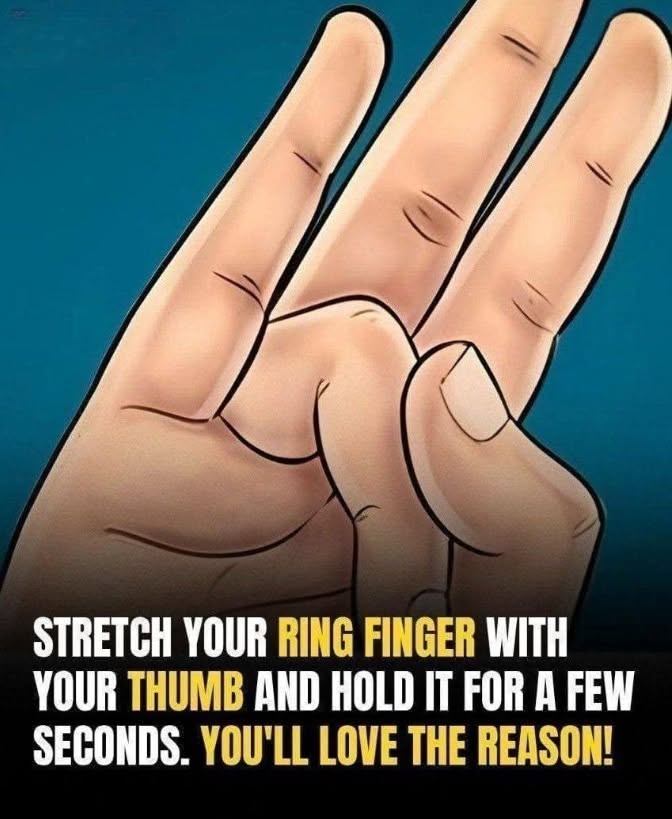
Our hands are among the most intricate and frequently used parts of the human body, serving as our primary interface with the physical world. From typing on computers and operating complex technology to performing manual labor and everyday tasks, our fingers and wrists are under continuous stress. However, despite their vital role in maintaining personal productivity and independence, hand health is often overlooked until stiffness, pain, or discomfort interferes with daily living.
In this comprehensive guide, we will explore the benefits of targeted hand stretching, holistic ergonomics, preventative health practices, and the underlying mechanics of hand function. We will also discuss how maintaining overall physical wellness aligns with financial planning, insurance safeguards, and medical management to ensure lifelong mobility and quality of life.
Understanding the Anatomy and Health of Human Hands
The human hand contains 27 bones, dozens of muscles, and a dense network of nerves, blood vessels, and tendons. These components work together in complex harmony to provide both incredible grip strength and precise fine motor control.
Why Hand Stretches Matter
Modern lifestyles place repetitive strain on the tendons that flex and extend our digits. Spending hours on digital keyboards, mobile devices, or specialized machinery can lead to muscle imbalances and reduced flexibility. Simple stretching exercises, such as pressing finger digits against the thumb or gently extending individual fingers, help maintain tendon elasticity and promote localized blood circulation.
Reflexology and Mudra Concepts
In traditional holistic practices, such as acupressure and yoga mudras, specific hand positions are believed to stimulate nervous system pathways and relieve localized tension. While modern medical science focuses primarily on musculoskeletal benefits, gentle hand exercises are widely recognized by occupational therapists as effective tools to reduce strain, boost tactile sensitivity, and promote joint flexibility.
Preventative Care and Managing Joint Health
Maintaining healthy joints and muscles throughout your life requires a combination of ergonomic awareness, targeted physical therapy exercises, and proper medical consultation when persistent symptoms arise.
Common Hand and Wrist Conditions
Failing to practice ergonomic safety and regular hand stretching can lead to several common ailments, including:
Carpal Tunnel Syndrome: Compression of the median nerve at the wrist, causing numbness, tingling, and pain in the hand and arm.
Trigger Finger: A condition where a finger becomes stuck in a bent position, caused by inflammation in the tendon sheath.
Arthritis and Joint Stiffness: Chronic inflammation of the hand joints that can severely limit mobility and affect quality of life if unmanaged.
The Role of Health Insurance and Medical Care
Addressing physical symptoms early through physical therapy or specialized medical care can prevent long-term disability. Comprehensive health insurance coverage ensures that individuals can access specialist consultations, diagnostic imaging, and non-invasive therapy options without incurring overwhelming medical debt.
Financial Readiness and Healthcare Planning
Physical health and financial well-being are closely linked. Unexpected health challenges or chronic joint issues can disrupt an individual’s ability to work, making proactive financial and legal preparation essential for long-term security.
Navigating Healthcare Expenses
Managing ongoing therapy, specialist visits, or necessary surgical interventions requires a structured approach to personal finance:
Medical Savings Accounts: Utilizing Health Savings Accounts (HSAs) or Flexible Spending Accounts (FSAs) provides tax-advantaged financial options to cover qualified medical expenses.
Disability Insurance: Income protection plans ensure that individuals facing physical limitations or chronic repetitive strain injuries maintain financial stability while undergoing rehabilitation.
Retirement Planning: Factoring anticipated medical care costs into long-term retirement planning protects personal savings and ensures continuous access to high-quality healthcare in later years.
Practical Tips for Improving Hand Ergonomics and Muscle Health
Incorporating simple daily habits into your routine can protect your hands from repetitive strain injuries and preserve joint flexibility:
Take Frequent Ergonomic Breaks: Rest your hands for 60 seconds every hour during intense typing or manual tasks to perform gentle finger stretches.
Optimize Your Workspace: Ensure keyboards, mice, and desk configurations align wrists in a neutral, strain-free position.
Practice Warm-Up Stretches: Before engaging in heavy manual labor, music performance, or sports, gently extend and flex your wrists and fingers.
Maintain Proper Hydration and Nutrition: Supporting bone and joint health requires adequate intake of water, calcium, vitamin D, and anti-inflammatory nutrients.
Fascinating Facts About the Human Hand
Incredible Nerve Density: The fingertips contain one of the highest concentrations of nerve endings in the entire human body, allowing us to detect subtle textures and temperature shifts instantly.
No Muscles in the Fingers: The fingers themselves do not contain muscles; they are moved entirely by tendons attached to muscles situated in the forearm and palm.
Unique Fingerprints: Fingerprint ridges develop in the womb and remain completely unique to each individual throughout their entire lifetime, serving as a primary biometric identifier in security and legal technology.
Conclusion
Taking care of your hands is an essential component of maintaining overall health, daily independence, and workplace productivity. Simple physical practices, like regular hand stretching and ergonomic awareness, go a long way in preventing painful strain injuries. By pairing sound physical care habits with comprehensive health insurance and proactive financial planning, you can ensure that your body and your financial future remain strong and resilient for years to come.
FAQ Section
How often should I stretch my hands and fingers?
It is beneficial to perform gentle hand and finger stretches once or twice a day, especially before and after prolonged typing, writing, or repetitive manual tasks.
Can hand exercises help prevent carpal tunnel syndrome?
Regular hand stretching, combined with ergonomic workspace adjustments and frequent breaks, can help reduce tendon tension and lower the risk of repetitive strain injuries like carpal tunnel syndrome.
What should I do if I experience chronic pain in my hand or wrist?
If pain, numbness, or stiffness persists for more than a few days, consult a qualified medical professional or orthopedic specialist to receive an accurate diagnosis and treatment plan.
Does health insurance cover physical and occupational therapy for hand conditions?
Most comprehensive health insurance plans cover physical or occupational therapy when prescribed by a doctor to treat diagnosed musculoskeletal or nerve conditions.
