Selecting a ripe, ultra-sweet pineapple (Ananas comosus) at the grocery store or local market can seem tricky. Because pineapples cease ripening and stop producing sugars once harvested from the parent plant, choosing a fruit picked at peak field maturity is essential to ensuring low acidity, tender texture, and maximum sweetness. Agricultural scientists and fruit growers rely on key botanical markers—such as bottom stem dryness, shell color progression, eye scale firmness, and fragrance—to evaluate internal sugar concentration without cutting the fruit open. This comprehensive guide details the botanical science behind pineapple ripeness, fruit selection comparison tables, step-by-step picking guidelines, and practical advice on household budgeting and preventative healthcare protection. The Botanical Science: Sugar Accumulation and Stem Decay+———————————————————————–+
| PINEAPPLE RIPENESS PATHWAY |
+———————————————————————–+
| 1. VINE MATURATION –> Base starches convert to sugars before harvest|
+———————————————————————–+
|
v
+———————————————————————–+
| 2. BASE STEM CHECK –> Fresh, dry, light stem vs. dark moldy decay |
+———————————————————————–+
|
v
+———————————————————————–+
| 3. AROMATIC EMISSION –> Sweet tropical aroma at base signals peak sugar|
+———————————————————————–+
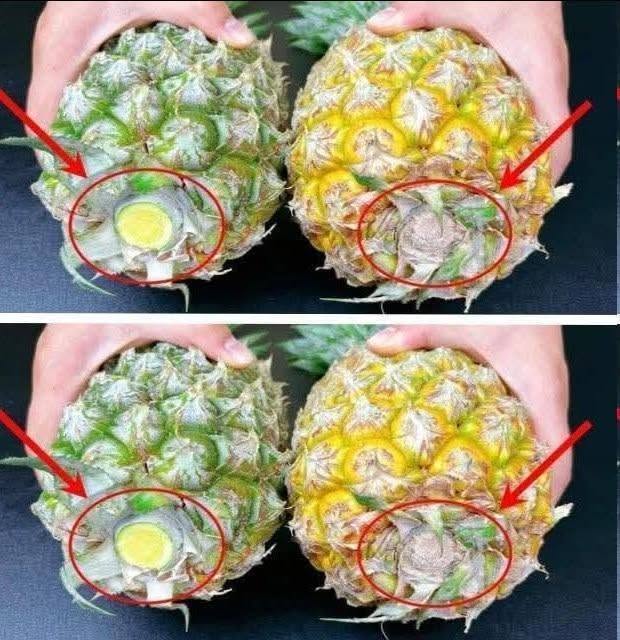
1. Base Stem Scar and Freshness IndicatorsThe stem scar at the bottom of the pineapple is the direct connection where nutrients and sugars flowed from the plant into the fruit. A healthy, ripe pineapple displays a clean, firm, dry, and slightly yellow stem scar. A wet, dark brown, or moldy bottom scar indicates internal fungal decay and fermentation, whereas a bright green, hard stem core signals premature harvesting. 2. Shell Color Shift and Sugar DistributionPineapples ripen from the base upward. As chlorophyll breaks down, the tough outer shell transforms from deep forest green to warm golden-yellow, starting at the bottom eyes. A ideal fruit exhibits a bright golden-yellow hue extending one-third to halfway up the body. 3. Eye Scale Size and Tactile SqueezeThe individual diamond-shaped sections on the pineapple shell are called “eyes” or bracts. Large, flat, uniform eyes indicate that the fruit was allowed to expand fully on the stalk. A ripe pineapple yields slightly to gentle pressure without feeling soft, mushy, or hollow. Pineapple Selection Criteria Comparison Table+——————–+———————–+———————–+
| Feature Checked | Sweet & Ripe Indicator| Unripe / Spoiled |
+——————–+———————–+———————–+
| Bottom Stem Scar | Clean, Dry & Light | Dark, Wet, or Moldy |
| Shell Coloration | Golden Base to Mid | Solid Dark Green |
| Base Aroma | Fragrant & Sweet | Odorless or Fermented |
| Tactile Squeeze | Firm with Slight Give | Hard as Rock / Mushy |
+——————–+———————–+———————–+
Step-by-Step Instructions: How to Pick a Ripe Pineapple Like a GrowerFollow these five practical steps during your next grocery trip to guarantee a sweet, high-quality pineapple every time:+———————————————————————–+
| PINEAPPLE SELECTION CHECKLIST |
+———————————————————————–+
| Step 1: Turn fruit upside down to inspect bottom stem scar for mold. |
| Step 2: Choose pineapples with warm golden-yellow color at the base. |
| Step 3: Sniff the bottom stem base for a sweet tropical scent. |
| Step 4: Give shell a gentle squeeze to feel for firm elasticity. |
| Step 5: Test a center crown leaf; it should yield with light resistance.|
+———————————————————————–+
Inspect the Bottom Stem Scar: Flip the pineapple upside down and examine the cut stem base. Select pineapples with clean, firm, dry scars. Avoid pineapples showing white fuzz, dark discoloration, or dampness around the base. Examine Shell Color Transition: Look for a shell with a rich golden-yellow color around the lower eyes. Avoid pineapples that are completely dark green (under-ripe) or deep orange-brown (over-ripe). Sniff the Base for Fragrance: Turn the bottom of the fruit toward your nose and sniff. A ripe pineapple emits a sweet, fresh, tropical aroma. No smell indicates an under-ripe fruit, while a sour or alcohol-like scent indicates internal fermentation. Feel for Heavy Specific Weight and Firmness: Pick up the pineapple and assess its weight. A sweet, juice-filled pineapple feels heavy for its size. Squeeze the sides gently; the shell should give slightly without feeling soft. Check Center Crown Leaves: Gently tug on one of the small inner leaves at the center of the green crown. On a ripe pineapple, the leaf will slip out with light, firm pressure, indicating mature cellular tissue at the top core. Home Management, Household Budgeting, and Financial HealthMaking smart produce selections directly supports household budget management and healthy meal planning. Smart Home Budgeting & Produce SavingsSelecting ripe produce accurately eliminates food waste caused by purchasing inedible, sour, or prematurely spoiled fruit. Getting maximum nutritional value from every grocery purchase enables families to preserve capital to build emergency savings accounts, pay off high-interest credit card debt, or allocate funds toward long-term financial investments. Bromelain Benefits, Digestive Health, and Insurance SecurityEnjoying fresh pineapple supplies beneficial digestive enzymes (bromelain), Vitamin C, and manganese that support digestive and immune health. Combining a clean whole-food diet with routine preventative health checkups covered under primary health insurance plans or Medicare protects both overall physical vitality and long-term financial peace of mind. Frequently Asked Questions (FAQ)Can an under-ripe green pineapple ripen on the kitchen counter?No. While a green pineapple stored at room temperature may soften and turn yellow on the outside, it will not synthesize additional sugars or become sweeter because it lacks starch reserves once cut from the stalk. How should you store a pineapple to keep it fresh longer?Store whole ripe pineapples in the refrigerator crisper drawer for up to 3 to 5 days. Once sliced, store pineapple chunks in an airtight container with their juice in the fridge for up to 5 days, or freeze for smooth additions to recipes. ConclusionPicking a sweet, juicy pineapple is simple when you inspect the bottom stem scar, check for golden base coloring, and sniff for a sweet aroma! Enjoy fresh, tropical pineapple at home with confidence!
How to Pick a Sweet Pineapple: Grower Secrets, Ripeness Science, and Selection