
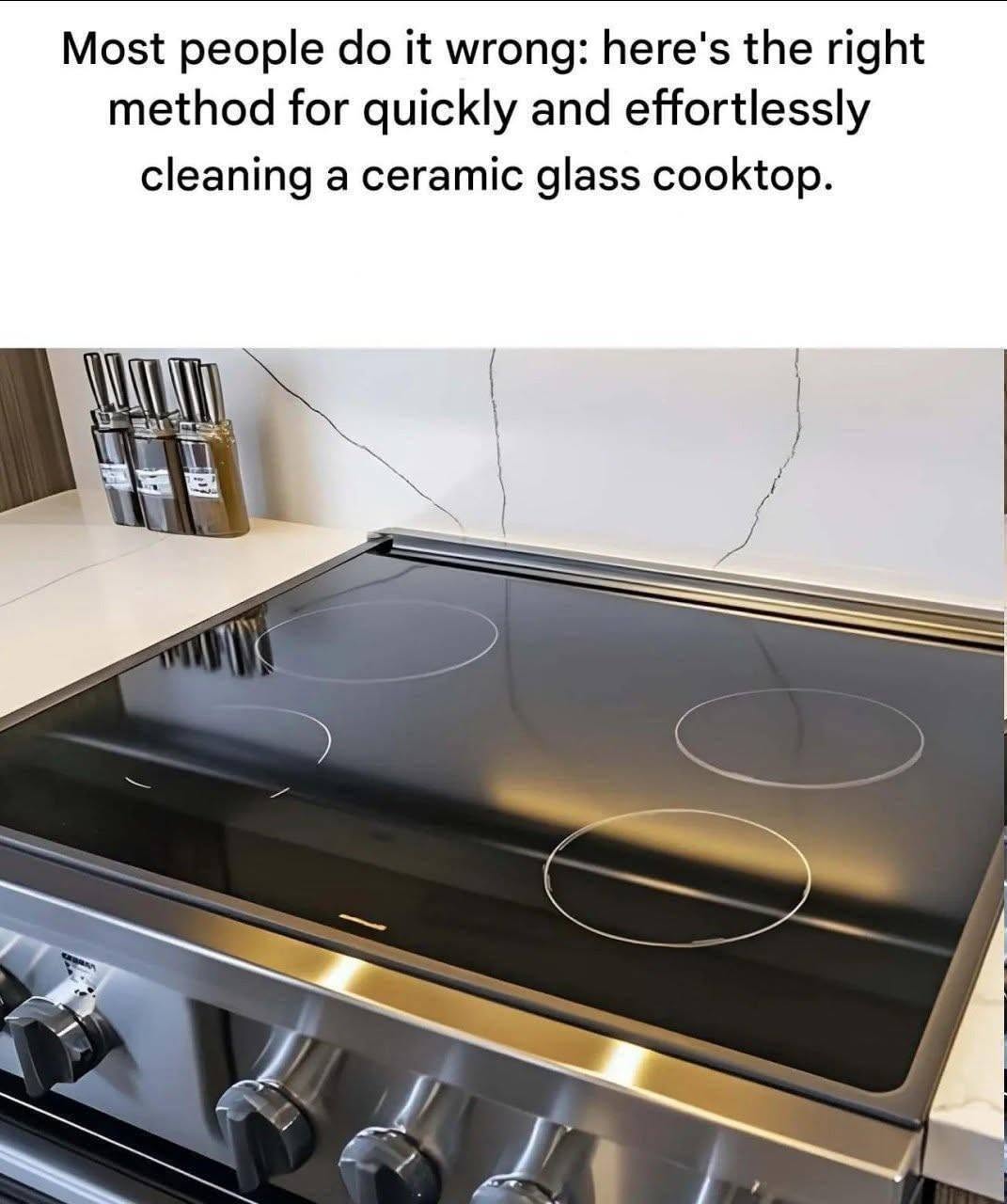
Smooth glass and ceramic stovetops bring a sleek, modern aesthetic to any kitchen, but keeping them pristine can feel like a daily battle. Spilled sauces, boiled-over pasta water, and grease spatters quickly bake onto the heated glass surface, creating tough burnt-on rings that refuse to budge with standard wiping.
Using abrasive scouring pads or harsh steel wool can permanently scratch the smooth glass finish. Fortunately, applying a simple chemical reaction using non-abrasive household pantry staples—specifically baking soda and white vinegar—restores a crystal-clear, streak-free shine effortlessly.
This comprehensive guide breaks down the essential supply checklist, cleaning method comparisons, step-by-step restoration instructions, and practical advice on household budgeting and home maintenance.
Essential Supply Breakdown
+———————————————————————–+
| CERAMIC COOKTOP CLEANING SUPPLIES |
+———————————————————————–+
| CLEANING AGENT –> 1/2 cup baking soda (mild alkaline abrasive) |
| ACTIVATOR –> 1/2 cup distilled white vinegar (acidic breaker) |
| TOOLS –> Microfiber cloths + warm water + damp dish towel |
| OPTIONAL TOOL –> Single-edge razor blade (held strictly at 45°) |
+———————————————————————–+
Essential Cleaning Components
Baking Soda (Sodium Bicarbonate): Acts as a mild, gentle abrasive that breaks down baked-on grease without scratching delicate ceramic glass.
Distilled White Vinegar: The acetic acid reacts with baking soda to create a foaming action that lifts loosened carbonized food particles.
Warm Damp Towel: Traps steam and heat over the baking soda paste, softening hardened burnt-on residue over a 15-minute soaking period.
Microfiber Cloth: Polishes the cooktop after cleaning to leave a streak-free, glossy mirror finish.
Cooktop Cleaning Method Comparison Table
+——————–+———————–+———————–+
| Cleaning Method | Cleaning Power | Glass Surface Safety |
+——————–+———————–+———————–+
| Baking Soda & Towel| High (Deep Chemical) | 100% Scratch-Safe |
| Glass Razor Scraper| Very High (Burnt-On) | Safe if held at 45° |
| Abrasive Scour Pad | Moderate | High Scratch Risk |
| Chemical Oven Spray| High | May Damage Seals/Coat |
+——————–+———————–+———————–+
Step-by-Step Cleaning Instructions
Follow these simple steps to safely restore your ceramic glass cooktop to a mirror finish:
+———————————————————————–+
| STEP-BY-STEP CLEANING GUIDE |
+———————————————————————–+
| Step 1: Ensure cooktop is completely cool to the touch. |
| Step 2: Sprinkle a liberal layer of baking soda over burnt areas. |
| Step 3: Spray white vinegar over baking soda to create a fizzing paste.|
| Step 4: Cover with a warm, damp towel & let soak for 15 minutes. |
| Step 5: Wipe away loosened grime in gentle circular motions. |
| Step 6: Buff surface with a dry microfiber cloth for a streak-free shine|
+———————————————————————–+
Safety First (Cool Surface): Never attempt to clean a warm or hot ceramic cooktop. Rapid temperature changes can cause thermal shock, cracking the glass, while wet cleaners can burn onto the surface.
Apply Baking Soda and Vinegar: Sprinkle a generous layer of baking soda directly over burnt-on grease rings and spots. Lightly spray distilled white vinegar over the baking soda until it fizzes into a thick, active paste.
The Steam Towel Treatment: Soak a clean kitchen towel in hot water, wring out the excess moisture, and lay it flat over the fizzing baking soda paste. Leave the towel in place for 15 minutes to allow heat and moisture to break down carbonized food.
Wipe and Scrape (If Needed): Remove the towel and use a damp microfiber cloth to wipe away the softened grime using circular motions. For stubborn, raised carbon crusts, hold a single-edge razor blade flat at a 45-degree angle and gently scrape away loosened residue—never dig the corners of the blade into the glass.
Buff to a Mirror Shine: Wipe away any remaining powder or vinegar residue with a fresh damp cloth. Finish by buffing the cooktop with a clean, dry microfiber cloth to eliminate streaks and restore its original shine.
Home Management, Household Budgeting, and Financial Health
Maintaining kitchen appliances with affordable, gentle home solutions directly supports household money management and long-term asset protection.
Smart Home Budgeting & Appliance Longevity
Commercial specialty cooktop creams and branded chemical cleaners can be expensive over time. Utilizing basic, low-cost household staples like baking soda and white vinegar delivers professional-grade results for pennies. Furthermore, proper scratch-free maintenance protects expensive kitchen appliances from permanent damage, avoiding costly glass top replacements. Managing your home maintenance budget intentionally enables families to preserve capital to build emergency savings accounts, pay off high-interest credit card debt, or allocate funds toward long-term financial investments.
Non-Toxic Cleaning, Family Wellness, and Health Insurance Protection
Replacing harsh aerosol sprays or toxic chemical fumes with natural, food-safe cleaning agents improves indoor air quality and protects household respiratory wellness. Combining a clean, chemical-free living environment with routine preventive health checkups covered by your health insurance provider safeguards both your family’s physical well-being and personal financial peace of mind.
Frequently Asked Questions (FAQ)
Can I use Windex or glass cleaner on my glass stovetop?
Standard glass cleaners containing ammonia should be avoided on ceramic cooktops. When heated, ammonia can react with the glass coating and cause permanent discoloration or pitting.
How do I remove white cloudy spots from my glass cooktop?
White cloudy spots are usually caused by hard water mineral deposits or metal transfer from pan bottoms. Wiping the area with pure white vinegar or a specialized ceramic cooktop polish easily dissolves these mineral films.
Conclusion
Cleaning a ceramic glass cooktop doesn’t require harsh abrasives or expensive chemical sprays. By harnessing the simple cleaning power of baking soda, vinegar, and a warm steam towel, you can effortlessly keep your stovetop sparkling and scratch-free!
