
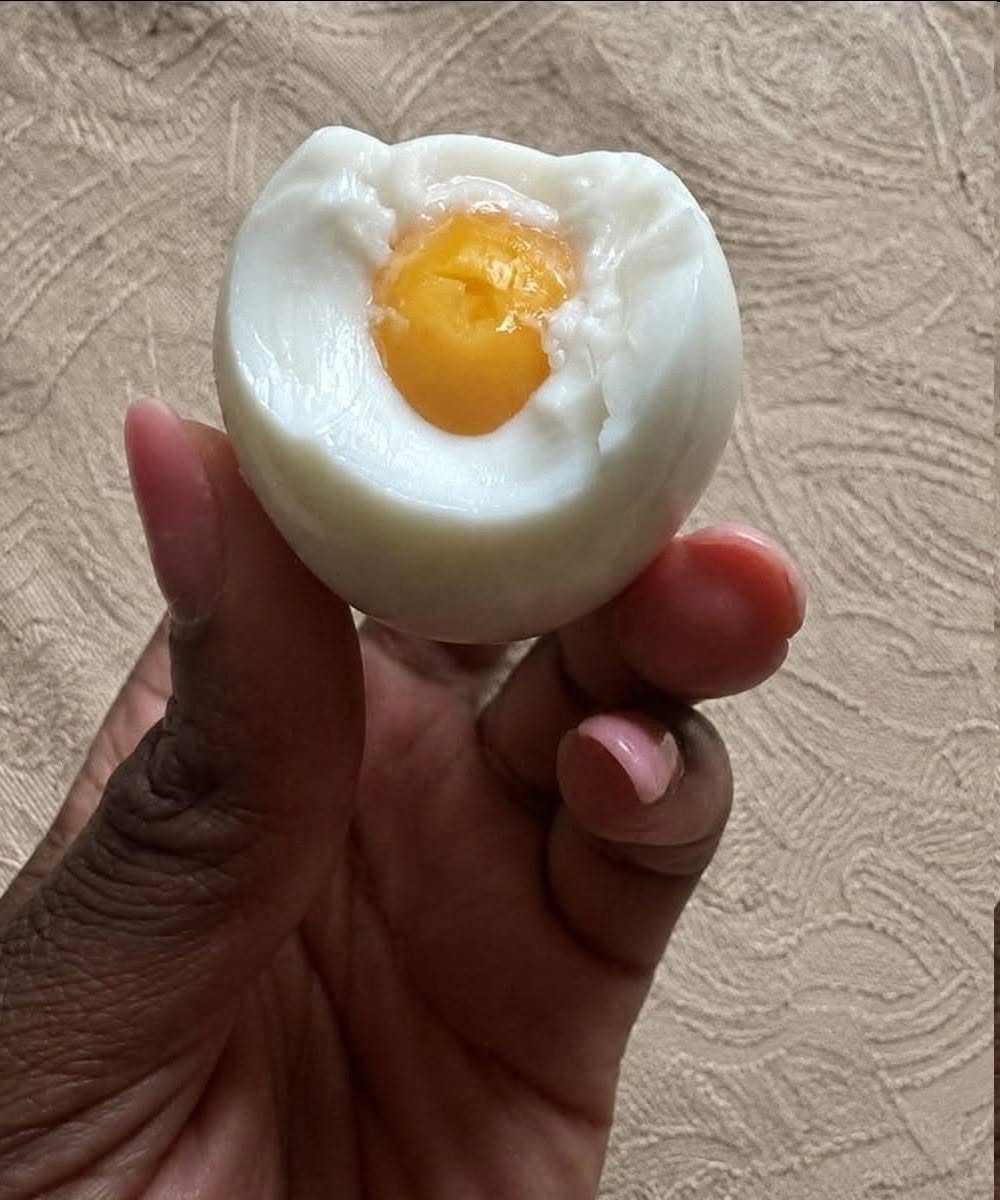
Boiling an egg seems like one of the simplest tasks in culinary arts, yet achieving the exact yolk consistency—from runny and Jammy to firm and velvety—can be surprisingly tricky. Even frustrating is struggling with stubborn shells that cling to the egg whites, leaving you with pitted, unsightly eggs.
Understanding egg white protein coagulation, precise water temperature dynamics, and cold shock bath mechanics removes all guesswork from boiling eggs.
This comprehensive guide breaks down boiling time charts for every level of doneness, the chemical secret to easy peeling, step-by-step cooking instructions, and practical advice on household budgeting and health protection.
The Science of Egg Protein Coagulation
+———————————————————————–+
| EGG PROTEIN COAGULATION PROCESS |
+———————————————————————–+
| 1. EGG WHITES (ALBUMEN) –> Sets firm between 144°F and 180°F (62–82°C)|
+———————————————————————–+
|
v
+———————————————————————–+
| 2. EGG YOLK –> Sets from liquid to jammy at 149–158°F |
+———————————————————————–+
|
v
+———————————————————————–+
| 3. ICE BATH SHOCK –> Causes egg tissue contraction for easy peel|
+———————————————————————–+
1. Albumen vs. Yolk Setting Temperatures
Egg whites (albumen) and egg yolks set at different temperatures. Albumen begins setting at 144°F (62°C) and becomes completely firm by 180°F (82°C). Meanwhile, egg yolks begin thickening at 149°F (65°C) and fully solidify at 158°F (70°C). Controlling your boil timing directly determines yolk texture while ensuring firm whites.
2. Hot Start vs. Cold Start Method
Dropping large eggs directly into boiling water (hot start) heats the outer shell rapidly, causing the inner membrane to detach cleanly from the egg white. Starting eggs in cold water heats them gradually, causing proteins in the albumen to bond strongly to the inner shell membrane, leading to peeling difficulties.
3. Thermal Shock and Membrane Shrinkage
Plunging freshly boiled eggs into an ice water bath immediately halts internal thermal cooking. This rapid temperature drop causes the egg tissue to shrink slightly within the shell, creating a steam gap between the membrane and white that allows the shell to slide off effortlessly.
Boiled Egg Timing and Doneness Chart
+——————–+———————–+———————–+
| Boiling Duration | Yolk Texture | Ideal Culinary Use |
+——————–+———————–+———————–+
| 6 Minutes | Liquid & Runny | Dipping Toast Strips |
| 7 Minutes | Warm & Soft Jammy | Ramen Bowls & Toast |
| 8 to 9 Minutes | Firm Jammy / Custardy | Salads & Snacks |
| 10 to 12 Minutes | Fully Hard-Boiled | Egg Salad & Deviled Eggs|
+——————–+———————–+———————–+
Step-by-Step Instructions: The Foolproof Easy-Peel Method
Follow these simple steps for perfectly cooked, easy-to-peel boiled eggs every time:
+———————————————————————–+
| FOOLPROOF EGG BOILING GUIDE |
+———————————————————————–+
| Step 1: Bring a pot of water to a rolling boil over medium-high heat. |
| Step 2: Gently lower large eggs into boiling water using a slotted spoon|
| Step 3: Maintain a gentle boil & set timer for desired doneness (6-12m)|
| Step 4: Prepare an ice bath (cold water + ice cubes) in a bowl. |
| Step 5: Transfer eggs directly into ice bath for 15 minutes. |
| Step 6: Tap egg gently on counter, roll, & peel under water stream. |
+———————————————————————–+
Boil Water First: Bring a medium saucepan filled with enough water to completely cover the eggs to a rolling boil over high heat.
Lower Eggs Carefully: Lower large eggs straight from the refrigerator into the boiling water using a slotted spoon to prevent cracking the shells against the bottom of the pot.
Timer Precision: Adjust heat to maintain a gentle, steady boil. Set an exact timer based on your preferred doneness:
6 Minutes: Liquid yolk with tender, soft whites.
7 Minutes: Classic soft jammy yolk with solid whites.
8–9 Minutes: Custardy, firm jammy yolk.
10–12 Minutes: Firm, pale yellow hard-boiled yolk.
Ice Bath Shock: While the eggs boil, fill a large bowl with cold water and ice cubes. As soon as your timer rings, immediately transfer the eggs into the ice water bath using a slotted spoon. Leave them submerged for at least 15 minutes.
Peel Smoothly: Gently tap the base of the egg on a hard surface to crack the air pocket, roll the egg lightly to fracture the shell, and peel under a gentle trickle of running water or directly inside the bowl.
Home Management, Grocery Budgeting, and Financial Health
Incorporating eggs into your daily family meal rotation combines affordable nutrition with smart household money management.
Smart Home Budgeting & Low-Cost Protein
Eggs are among the most economical, high-quality nutrient sources available at any supermarket. Preparing boiled eggs in batches provides ready-to-eat breakfasts and high-protein snacks throughout the workweek for pennies per serving. Managing your weekly grocery budget intentionally enables families to conserve funds to build emergency savings accounts, clear high-interest credit card debt, or allocate capital toward long-term financial investments.
High-Density Nutrition and Health Insurance Protection
Eggs are complete proteins containing all nine essential amino acids, choline for brain health, lutein for eye protection, and healthy dietary fats. Combining a nutrient-rich, balanced diet with routine preventive checkups covered by your health insurance provider safeguards both your family’s physical well-being and personal financial peace of mind.
Frequently Asked Questions (FAQ)
Why do some hard-boiled egg yolks have a dark greenish-grey ring around them?
The dark green ring is iron sulfide, formed when sulfur in the egg white reacts with iron in the yolk due to overcooking or cooling too slowly. Boiling eggs for no longer than 12 minutes and immediately plunging them into an ice bath prevents this reaction completely.
Are fresh eggs or older eggs better for boiling?
Slightly older eggs (1 to 2 weeks old) are easier to peel than farm-fresh eggs. As eggs age, they absorb air through porous shells, enlarging the interior air pocket and raising the pH level of the egg white, making the membrane stick less tightly.
Conclusion
Cooking perfect soft-boiled or hard-boiled eggs comes down to starting in hot boiling water, precise timing, and plunging into an ice water bath. Master this simple culinary method to enjoy silky whites, rich jammy yolks, and effortless peeling every time!
