
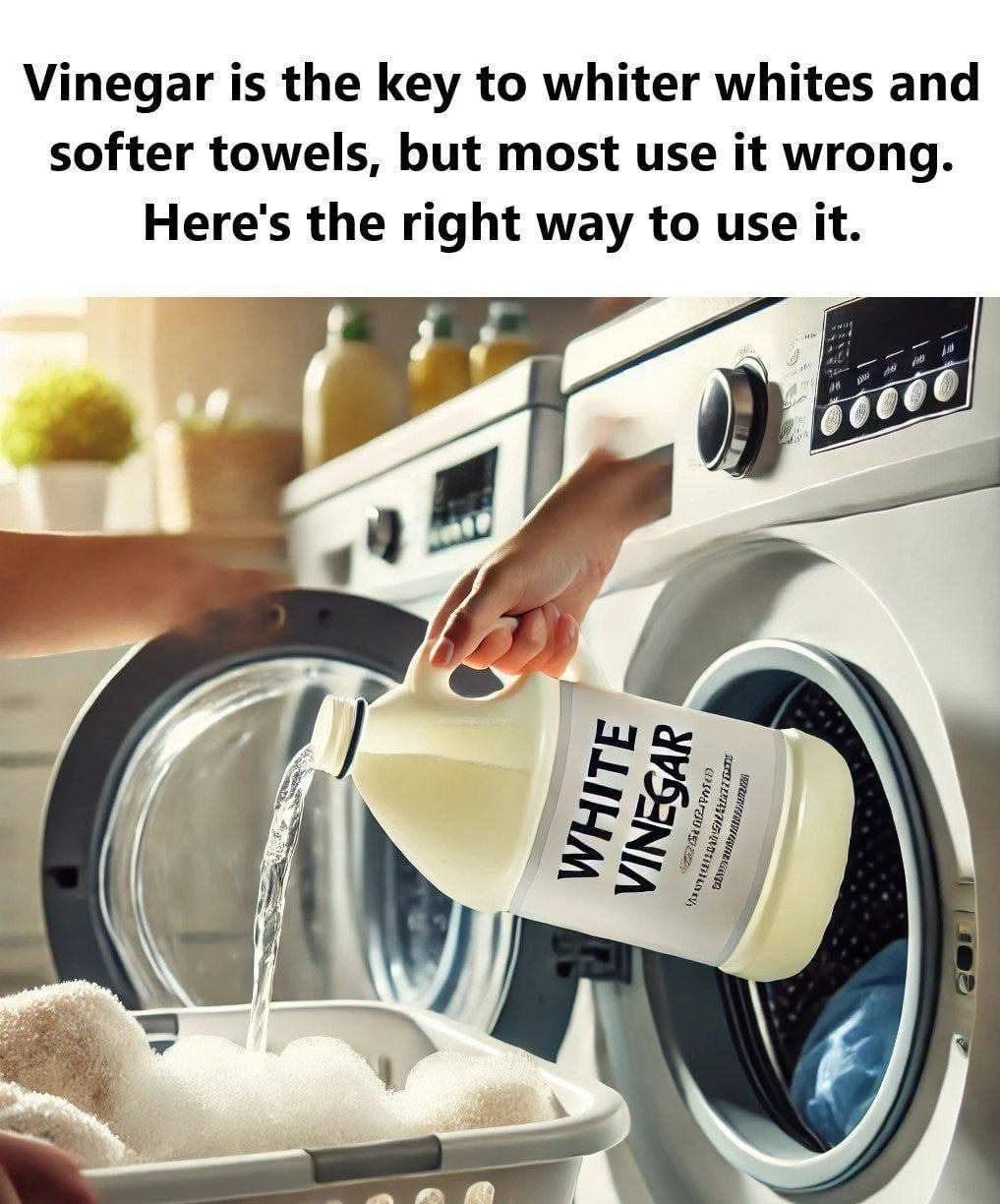
White distilled vinegar is one of the most versatile, budget-friendly, and eco-friendly laundry boosters available. Known for its ability to strip away stubborn detergent residue, brighten dull whites, and eliminate lingering odors, vinegar can transform scratchy towels into plush, soft linens.
However, many people use vinegar incorrectly by mixing it directly with detergent during the main wash cycle, which neutralizes its beneficial acidic properties.
This comprehensive guide details the science behind vinegar in laundry, step-by-step application methods, washer maintenance tips, and practical advice on household budgeting and health protection.
Why Vinegar Works: Stripping Buildup & Brightening Fabrics
+———————————————————————–+
| HOW VINEGAR IMPROVES LAUNDRY |
+———————————————————————–+
| 1. STRIPS DETERGENT BUILDUP –> Dissolves soapy residue from fibers |
| 2. NATURAL FABRIC SOFTENER –> Relaxes cotton weave without wax |
| 3. NEUTRALIZES ODORS –> Eliminates mildew & body oils |
| 4. BRIGHTENS DULL FABRICS –> Cuts through mineral scale & yellowing |
+———————————————————————–+
Key Functional Benefits
Strips Detergent Residue: Liquid detergents and commercial softeners leave a coat of waxy buildup over cotton fibers. Vinegar’s mild acetic acid breaks down this film, restoring fluffy absorbency to bath towels.
Natural Fabric Softening: Unlike commercial softeners that coat fabrics in synthetic oils, vinegar softens fabric naturally by neutralizing alkaline detergent residues left in the weave.
Odor Elimination: Mildew smells, sweat, and musty closet odors are neutralized by the acid content without leaving a lingering vinegar scent once dry.
Hard Water Mineral Neutralization: Vinegar helps prevent hard water minerals (like calcium and magnesium) from bonding to fabric, keeping white garments crisp and bright.
Vinegar vs. Commercial Fabric Softener Comparison Table
+——————–+———————–+———————–+
| Feature | Distilled White Vinegar| Commercial Softener |
+——————–+———————–+———————–+
| Absorbency Impact | Restores Absorbency | Reduces Absorbency |
| Chemical Residue | Leaves Zero Residue | Leaves Waxy Layer |
| Machine Safety | Safe in Rinse Drawer | Causes Gunk & Mold |
| Environmental Cost | Low & Eco-Friendly | Synthetic Fragrances |
+——————–+———————–+———————–+
How to Use Vinegar the Right Way in Your Washer
Follow these simple rules to maximize results without damaging your washing machine:
+———————————————————————–+
| STEP-BY-STEP VINEGAR LAUNDRY GUIDE |
+———————————————————————–+
| Step 1: Add standard laundry detergent to the main detergent drawer. |
| Step 2: Pour 1/2 cup white vinegar into the fabric softener compartment|
| Step 3: Run the wash load on normal cycle with warm or cold water. |
| Step 4: Tumble dry towels thoroughly without dryer sheets. |
+———————————————————————–+
Add to the Rinse Cycle, Not the Wash Cycle: Never mix vinegar directly with laundry detergent at the start of the wash. Detergent is alkaline, while vinegar is acidic—mixing them simultaneously neutralizes both, reducing cleaning power. Pour 1/2 cup of 5% white distilled vinegar directly into the fabric softener compartment so the machine automatically releases it during the final rinse.
Pre-Soak Stained or Dull Whites: For heavily yellowed whites or towels stiff with soap scum, soak items in a tub of warm water mixed with 1 cup of white vinegar for 30 to 60 minutes prior to laundering.
Avoid Mixing with Chlorine Bleach: Never mix vinegar with chlorine bleach. Combining acid with bleach releases toxic chlorine gas fumes.
Mind Your Machine Gaskets: While safe when diluted in the rinse dispenser, avoid overusing concentrated vinegar on exposed rubber hoses or door seals in front-load washers, as prolonged contact with high acidity can degrade raw rubber over time.
Home Management, Laundry Budgeting, and Financial Health
Adopting simple, eco-friendly cleaning hacks supports efficient household management and personal financial planning.
Smart Home Budgeting & Linen Longevity
Replacing commercial fabric softeners, scent boosters, and bleach with affordable white distilled vinegar significantly lowers monthly household supply expenses. Managing your grocery and cleaning budget intentionally allows families to conserve funds to build emergency savings accounts, pay off high-interest credit card debt, or allocate capital toward long-term financial investments.
Eco-Friendly Living and Health Protection
Eliminating heavily fragranced chemical softeners prevents skin irritation, eczema flare-ups, and respiratory sensitivity. Combining non-toxic cleaning habits at home with routine medical checkups through your health insurance provider safeguards both your family’s physical health and long-term financial security.
Frequently Asked Questions (FAQ)
Will my clothes or towels smell like vinegar after washing?
No! The vinegar scent completely disappears during the rinse and drying process, leaving your laundry smelling fresh and clean.
Can I use apple cider vinegar instead of white vinegar?
It is best to use clear, distilled white vinegar (5% acidity). Apple cider vinegar contains tannins and natural colorings that can stain light-colored or white fabrics.
Conclusion
Using white distilled vinegar in your washer’s rinse cycle is the easiest, most cost-effective way to brighten whites, remove soap buildup, and keep bath towels soft and absorbent!
