
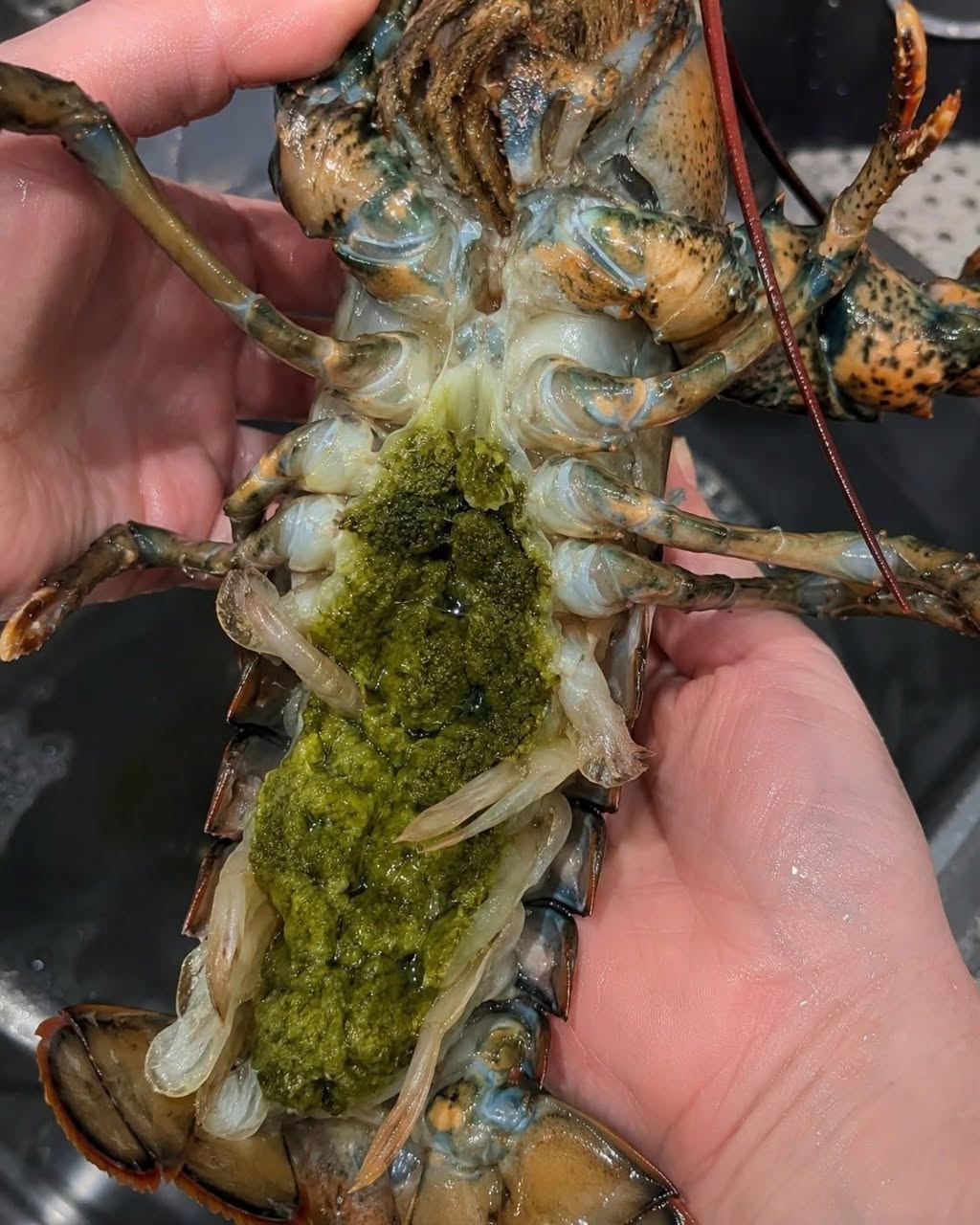
When preparing or cracking into a lobster, seafood lovers often encounter a soft, olive-green paste clinging to the underside of the tail and inside the main body cavity. Known culinary-wise as tomalley, this distinct green substance frequently sparks debate among home cooks regarding its culinary value and safety.
While considered a rich delicacy by seafood enthusiasts, understanding what lobster tomalley is—and how health safety advisories treat it—is essential before adding it to your dinner plate.
This comprehensive guide explains the biology of lobster tomalley, culinary uses, food safety recommendations, and practical advice on household budgeting and health protection.
What Is Lobster Tomalley and Roe?
+———————————————————————–+
| LOBSTER INTERNAL ORGAN TYPES |
+———————————————————————–+
| 1. TOMALLEY (Digestive Organ) –> Soft, olive-green paste (liver/pancreas) |
+———————————————————————–+
|
v
+———————————————————————–+
| 2. CORAL (Unfertilized Eggs) –> Dark green when raw, bright red when cooked|
+———————————————————————–+
1. Digestive Function (Hepatopancreas)
Tomalley is the lobster’s hepatopancreas, an organ that functions like a combination of a mammal’s liver and pancreas. It aids digestion and filters nutrients. In raw lobster, it appears as a dark greenish paste, turning lighter olive-green once cooked.
2. Difference Between Tomalley and Coral
Tomalley: Present in both male and female lobsters, this soft green mass acts as the digestive organ.
Coral (Roe): Found exclusively in female lobsters, roe consists of unfertilized eggs that appear deep blackish-green when raw and turn vivid bright red (“coral”) when fully cooked.
Culinary Comparison Table
+——————+——————-+——————–+——————–+
| Organ | Color (Raw/Cooked)| Texture | Culinary Usage |
+——————+——————-+——————–+——————–+
| Tomalley | Dark / Light Green| Smooth & Paste-like| Sauces & Bisques |
| Coral (Roe) | Black / Red | Firm & Grainy | Butter & Garnishes |
| Tail & Claw Meat | Translucent / White| Firm & Tender | Main Entree |
+——————+——————-+——————–+——————–+
Food Safety Concerns: Should You Eat It?
While many seafood traditionalists enjoy tomalley spread on toast or mixed into lobster butter, health agencies advise caution:
+———————————————————————–+
| TOMALLEY SAFETY CHECKLIST |
+———————————————————————–+
| Safety Note 1: Contaminants –> Organ filters environmental toxins. |
| Safety Note 2: PSP Toxins –> Can accumulate paralytic shellfish |
| poisons during red tide blooms. |
| Safety Note 3: FDA Guidance –> Advised to avoid or limit tomalley |
| consumption, especially for kids. |
+———————————————————————–+
Filtering Toxins: Because the hepatopancreas acts as a filter, environmental toxins can accumulate in this organ even when the tail and claw meat remain completely safe.
Paralytic Shellfish Poison (PSP): During naturally occurring algae blooms (“red tides”), toxins can concentrate in the tomalley. Cooking lobster does not destroy these heat-resistant toxins.
FDA & Health Advisories: Food safety organizations recommend avoiding or strictly limiting tomalley consumption, while confirming that lobster tail and claw meat are completely safe to eat.
Home Management, Grocery Budgeting, and Financial Health
Understanding seafood selection and safety practices supports efficient household planning and personal financial security.
Grocery Budgeting & Seafood Selection
Fresh lobster is a luxury seafood item. Knowing how to properly inspect and prepare seafood ensures you get maximum culinary value without unnecessary waste. Managing home food budgets carefully preserves extra capital to build emergency savings accounts, pay down credit card balances, or allocate funds toward long-term financial investments.
Preventive Health & Insurance Protection
Adhering to public health safety guidelines regarding seafood toxins protects your family from accidental food poisoning. Combining proper dietary safety with routine healthcare and annual checkups covered by your health insurance provider safeguards both your family’s physical health and personal financial peace of mind.
Frequently Asked Questions (FAQ)
Can you cook lobster with the tomalley inside?
Yes! Steaming or boiling a whole lobster with the tomalley intact is standard procedure. The toxins found in tomalley do not leach into the surrounding tail or claw meat during boiling.
How do you clean tomalley out before serving?
If you prefer not to consume it, simply rinse or scoop out the green paste from the interior carcass under cold running water before serving or chopping the meat for lobster rolls.
Conclusion
The green substance inside a lobster is the tomalley (hepatopancreas), prized by gourmets for its intense concentrated lobster flavor. However, keeping public health advisories in mind allows you to enjoy fresh seafood safely!
