
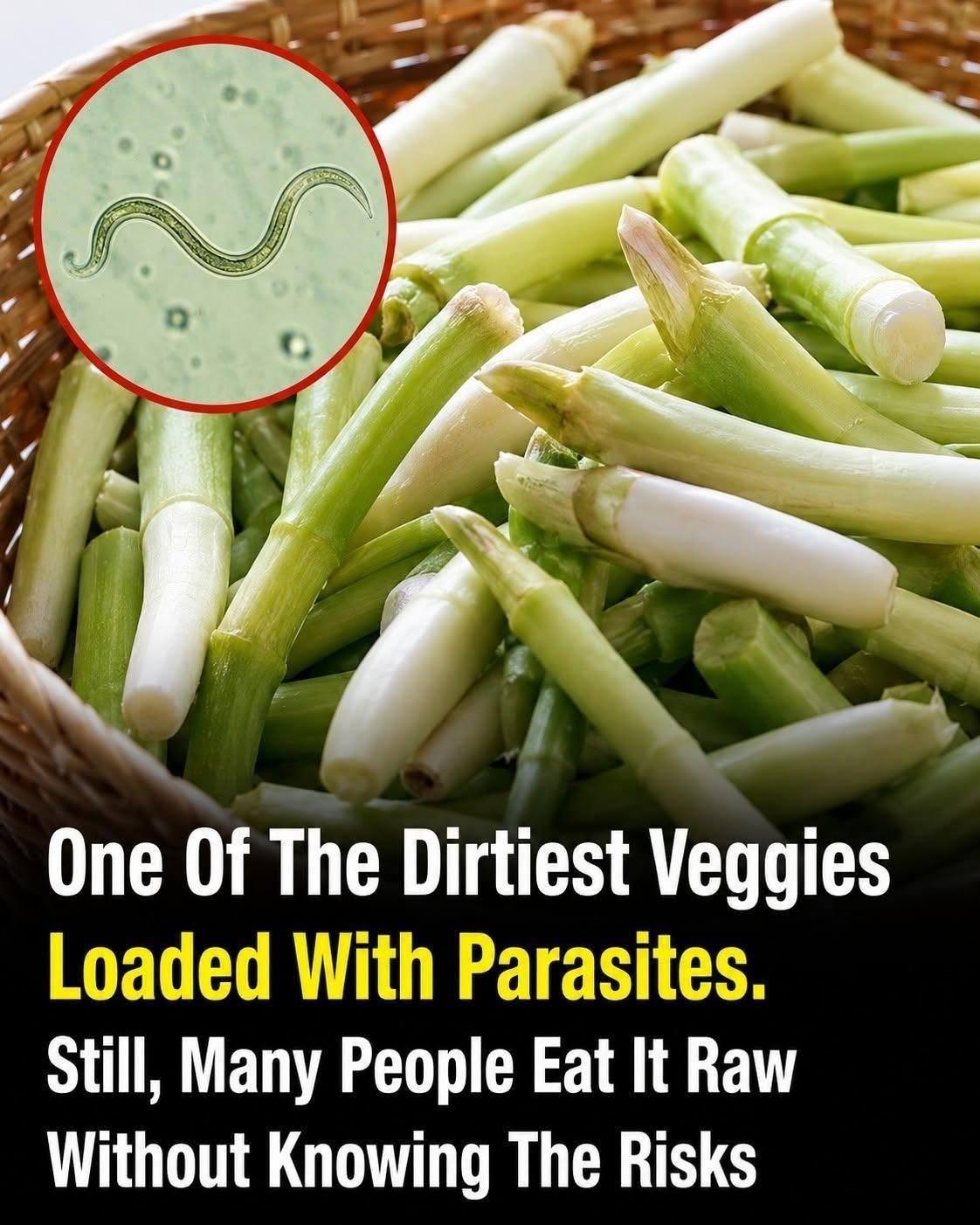
Fresh produce is essential to a healthy diet, but certain aquatic and wetland vegetables carry hidden biological risks when consumed raw or undercooked. Among these is water bamboo (also known as wild rice stems, water wild rice, or Zizania latifolia), a crisp and tender vegetable popular in East Asian cuisine.
While water bamboo has a pleasant, mild sweetness and light crunch, consuming it raw exposes you to potential parasitic infections, most notably Fasciolopsis buski (the giant intestinal fluke).
This comprehensive food safety guide details the parasite risks associated with water bamboo, provides proper cleaning and cooking techniques, outlines health safety practices, and offers practical guidance on home budgeting and personal financial health.
What Is Water Bamboo and Why Is Raw Consumption Risky?
Water bamboo stems grow in shallow, quiet freshwater environments like ponds, flooded fields, and wetlands. These stagnant aquatic habitats are natural breeding grounds for microscopic parasites, larvae, and bacteria.
+———————————————————————–+
| PARASITE TRANSMISSION CYCLE |
+———————————————————————–+
| 1. Aquatic Habitat –> Snails release fluke larvae into fresh water |
+———————————————————————–+
|
v
+———————————————————————–+
| 2. Plant Outer Surface–> Larvae attach to water bamboo outer skin |
+———————————————————————–+
|
v
+———————————————————————–+
| 3. Raw Ingestion –> Uncooked larvae enter the human digestive tract|
+———————————————————————–+
|
v
+———————————————————————–+
| 4. Infection –> Flukes mature in the small intestine |
+———————————————————————–+
The Threat of Fasciolopsis buski (Giant Intestinal Fluke)
How It Spreads: Snails living in wetland waters shed parasitic larvae (cercariae) that attach themselves to the outer skins of aquatic plants like water bamboo, water chestnuts, and lotus roots.
Mechanism of Infection: When eaten raw, encysted larvae hatch in the stomach and attach to the lining of the small intestine.
Health Consequences: Intestinal fluke infections can lead to abdominal pain, chronic diarrhea, bloating, nausea, fever, and in severe cases, intestinal blockages or allergic reactions.
Comparing Raw vs. Cooked Aquatic Vegetables
+——————+——————-+——————–+——————–+
| Prep Method | Parasite Risk | Bacterial Safety | Digestibility |
+——————+——————-+——————–+——————–+
| Raw Consumption | High | Poor | Tough & Fibrous |
| Thorough Blanch | Moderate / Reduced| Good | Crisp & Safe |
| Fully Cooked | None (Sterilized) | Excellent | Tender & Flavorful |
+——————+——————-+——————–+——————–+
How to Prepare and Cook Water Bamboo Safely
Cooking water bamboo completely destroys encysted parasite larvae and harmful bacteria, making it 100% safe to enjoy:
+———————————————————————–+
| SAFE PREPARATION WORKFLOW |
+———————————————————————–+
| 1. Peel Tough Outer Layers –> Remove green outer husks & fibrous skin|
+———————————————————————–+
|
v
+———————————————————————–+
| 2. Wash & Trim Ends –> Scrub thoroughly under running water |
+———————————————————————–+
|
v
+———————————————————————–+
| 3. Blanch in Boiling Water –> Boil for 3–5 minutes before stir-fry |
+———————————————————————–+
|
v
+———————————————————————–+
| 4. High-Heat Cooking –> Stir-fry, steam, or braise thoroughly |
+———————————————————————–+
Peel Off Outer Layers: Peel away the green husks and outer tough skin until you reach the soft, ivory-white inner core.
Wash Thoroughly: Scrub the peeled stems under cold running water to eliminate soil and organic residue.
Blanch First: Always blanch sliced water bamboo in boiling water for at least 3 to 5 minutes before adding it to stir-fries or soups.
Cook Completely: Avoid brief, light tossing. Ensure heat penetrates fully through stir-frying, steaming, or simmering.
Pro Culinary Tips for Water Bamboo
Stir-Fry Pairings: Water bamboo pairs wonderfully with thin pork slices, bell peppers, garlic, soy sauce, and sesame oil.
Texture Retention: Blanching before stir-frying preserves its signature juicy crunch without undercooking the center.
Dark Spots Are Normal: You may notice small black or brown dots inside the white stem. These are harmless spores of the fungus Ustilago esculenta, which gives water bamboo its tender, swollen shape.
Home Management, Grocery Budgeting, and Financial Health
Adopting safe food handling practices at home protects family health while supporting long-term financial stability.
Food Safety & Budget Savings
Preventing foodborne parasitic infections avoids unexpected medical bills, emergency room visits, and lost working days. Managing grocery budgets thoughtfully—by buying fresh seasonal produce and preparing safe meals at home—allows households to build emergency savings accounts, reduce debt, or invest for long-term financial security.
Healthcare & Preventive Wellness
Safe food preparation is a cornerstone of preventive healthcare. Combining hygienic cooking habits with routine medical checkups through your health insurance provider safeguards both your family’s physical well-being and personal financial peace of mind.
Frequently Asked Questions (FAQ)
Can washing water bamboo with salt water kill parasites?
No. Salt water or vinegar rinses alone cannot reliably eliminate encysted parasite larvae. Heat from boiling or cooking is required to kill them completely.
Are other water vegetables at risk for parasites?
Yes! Water chestnuts, lotus roots, watercress, and water spinach grown in wetland environments carry similar parasite risks when eaten raw. Always cook aquatic plants thoroughly.
Conclusion
Water bamboo is a delicious, nutritious vegetable when prepared correctly. By peeling, blanching, and cooking it thoroughly, you eliminate parasite risks and can safely enjoy its crisp, succulent texture in your meals!
