
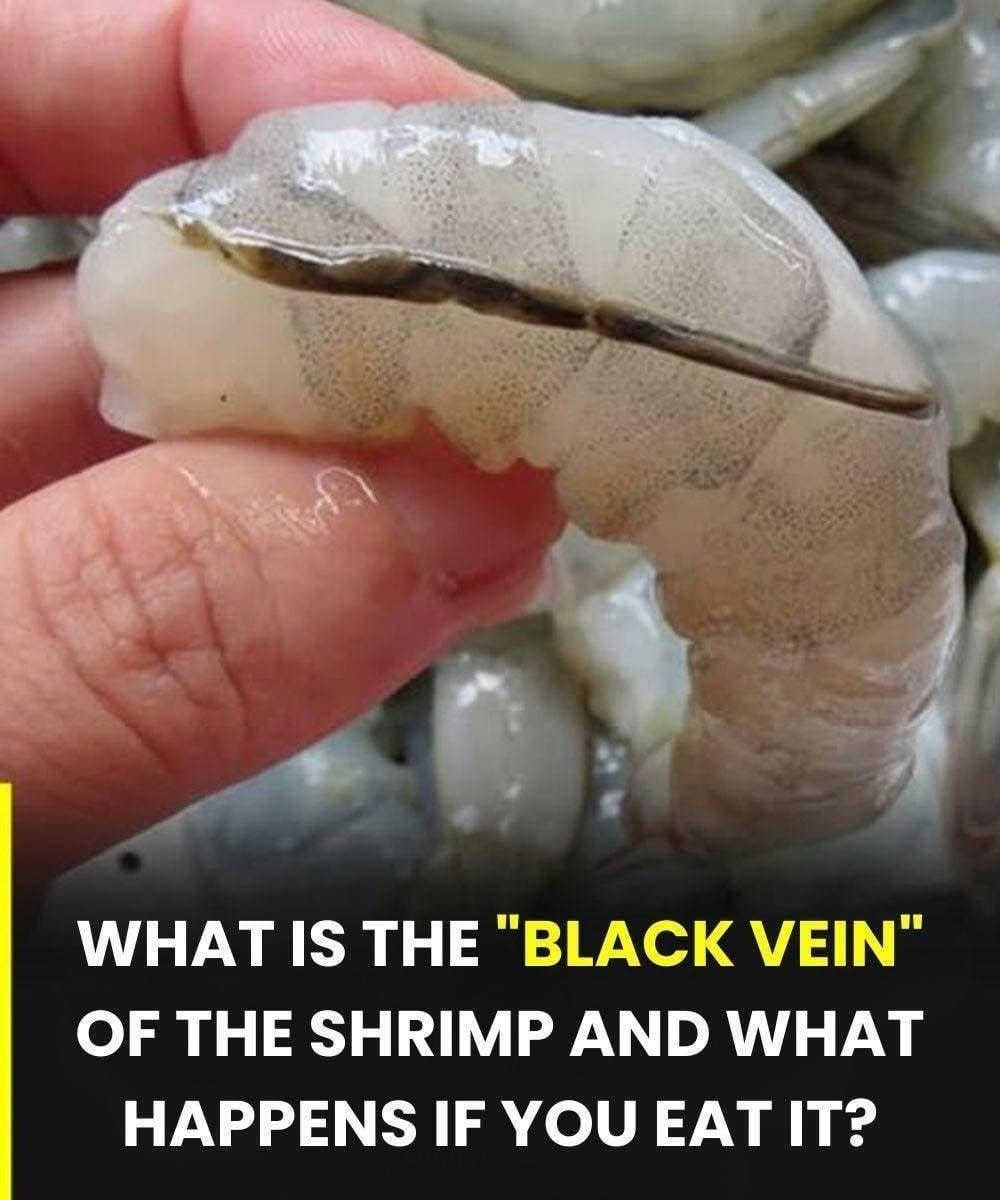
When preparing raw shrimp for cooking, you have likely noticed a dark, thin strand running along the back of the shell-less body. Often referred to as the “black vein,” this feature frequently sparks curiosity and concern among home cooks.
Understanding what this line actually is, whether it poses any health risks, and how to remove it properly will elevate your culinary knowledge and ensure your seafood dishes taste exceptional.
This guide breaks down the biological facts about shrimp anatomy, explains what happens if you consume the vein, offers step-by-step devining instructions, and explores practical home budgeting and financial health concepts.
What Is the “Black Vein” on a Shrimp?
Despite its common name, the dark line on the back of a shrimp is not a blood vessel or circulatory vein at all.
+———————————————————————–+
| SHRIMP ANATOMY BREAKDOWN |
+———————————————————————–+
| TOP LINE (Back) –> Digestive Tract / Intestine (The “Black Vein”) |
| BOTTOM LINE (Belly)–> Ventral Nerve Cord |
+———————————————————————–+
The Digestive Tract: The dark line running along the curved back (dorsal side) of the shrimp is its intestinal tract.
Contents: It contains grit, sand, algae, and partially digested organic material consumed by the shrimp before harvest.
Why Color Varies: Depending on what the shrimp ate before capture, the line can range in appearance from dark black and green to clear, white, or light gray.
What Happens If You Eat It?
The primary concern for most home cooks is safety. Here is what science and culinary standards say about consuming the vein:
+——————+———————————-+———————————-+
| Aspect | Is It Harmful? | Culinary Impact |
+——————+———————————-+———————————-+
| Safety | No (when fully cooked) | Safe to consume |
| Flavor | Minor (may taste earthy) | Can ruin delicate flavor |
| Texture | Moderate | Gritty due to sand/silt |
| Appearance | Minor | Looks unappealing in light sauces|
+——————+———————————-+———————————-+
1. Health and Safety
Consuming cooked shrimp with the digestive tract intact is generally not harmful to health. Thorough cooking kills micro-organisms present in raw seafood. However, eating raw or undercooked shrimp with the tract left in could potentially expose you to bacteria.
2. Texture and Taste
The biggest downside to eating the vein is grittiness. Because the intestinal tract often contains sand or mud, biting into an un-deveined shrimp can impart a crunchy, sandy texture and a slightly muddy or bitter flavor.
3. Visual Presentation
In professional kitchens and fine dining, leaving the dark digestive tract intact is considered unappealing, particularly in light sauces, pasta dishes, or shrimp cocktails.
Step-by-Step Guide: How to Devein Shrimp Easily
Deveining shrimp at home is quick and requires simple kitchen tools:
+———————————————————————–+
| SHRIMP DEVEINING PROCESS |
+———————————————————————–+
| 1. Peel Shell –> Remove legs & shell (leave tail if desired) |
+———————————————————————–+
|
v
+———————————————————————–+
| 2. Shallow Cut –> Make a 1/4-inch slice along the outer curve |
+———————————————————————–+
|
v
+———————————————————————–+
| 3. Lift & Remove –> Pull vein out with paring knife tip or toothpick|
+———————————————————————–+
|
v
+———————————————————————–+
| 4. Cold Rinse –> Rinse under cold running water & pat dry |
+———————————————————————–+
Peel the Shrimp: Remove the shell and legs, leaving the tail attached if desired for presentation.
Make a Shallow Slit: Using a small paring knife, make a shallow incision (about 1/4 inch deep) down the center of the outer curve on the back.
Remove the Tract: Use the tip of the knife or a toothpick to gently lift and pull out the dark strand.
Rinse thoroughly: Wash the shrimp under cold running water to remove remaining grit, then pat dry with paper towels before cooking.
Pro Cooking Tips for Fresh Shrimp
Small Shrimp Shortcut: For tiny salad shrimp or bay shrimp, deveining is generally unnecessary as the veins are negligible and undetectable when cooked.
Save the Shells: Do not throw away peeled shells! Simmer them with onion, garlic, and herbs to create a rich homemade seafood stock for risottos and soups.
Avoid Overcooking: Cook shrimp until they turn opaque pink and form a gentle “C” shape. Overcooked shrimp curl into tight “O” shapes and become rubbery.
Home Management, Grocery Budgeting, and Financial Health
Understanding seafood prep at home supports efficient meal planning and personal financial security.
Budget-Friendly Seafood Choices
Buying shell-on, un-deveined raw shrimp in bulk is significantly less expensive per pound than buying pre-peeled, pre-deveined shrimp. Taking five minutes to peel and devein shrimp yourself at home helps stretch your monthly food budget, leaving extra capital to build emergency savings accounts, manage debt, or invest for long-term growth.
Healthcare Planning and Food Safety
Proper food handling—such as keeping raw seafood chilled, thoroughly cooking shrimp, and avoiding cross-contamination—prevents foodborne illness. Combining safe food preparation with regular checkups through your health insurance provider protects both your physical well-being and long-term financial stability.
Frequently Asked Questions (FAQ)
Is there a second vein on the belly of the shrimp?
Yes, running along the underside (belly) is the ventral nerve cord. It is generally clear or white, completely harmless, and does not need to be removed.
Can you buy tools specifically for deveining shrimp?
Yes! A curved plastic or wooden “shrimp deveiner” tool allows you to peel and remove the digestive tract in a single swift motion.
Conclusion
While accidentally eating the “black vein” on a fully cooked shrimp will not harm you, taking the time to devein your seafood ensures a pleasant, grit-free dining experience. Prep your shrimp properly to elevate your home cooking!
