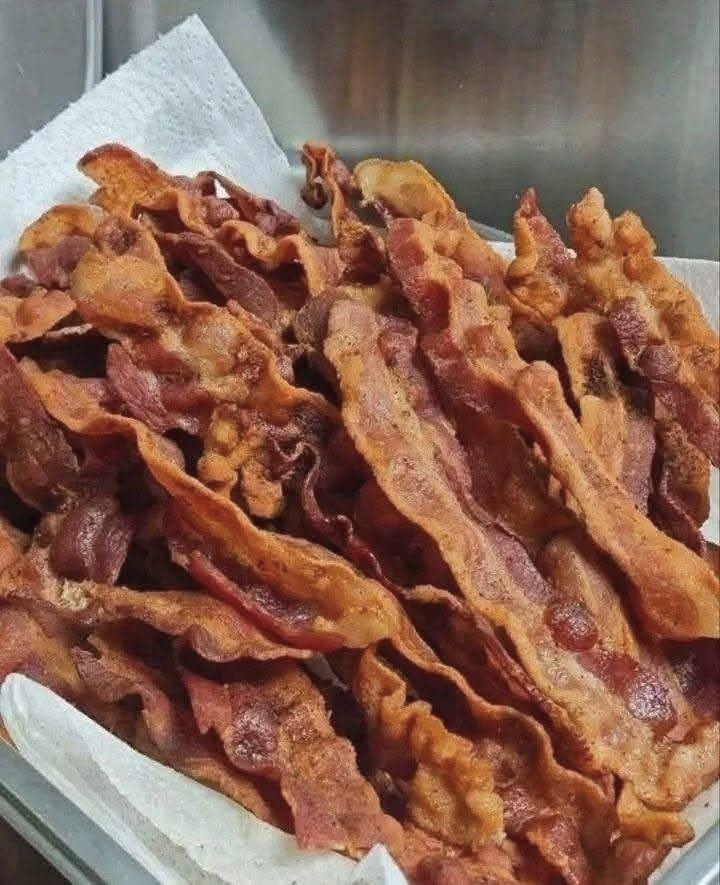
Few breakfast foods evoke the same immediate delight as a pile of sizzled, shatteringly crisp bacon. Whether served alongside fluffy scrambled eggs, layered inside a classic BLT sandwich, or crumbled over a hearty weekend salad, bacon remains one of the most beloved culinary staples in kitchens worldwide. However, traditional stovetop frying often comes with major drawbacks: painful oil splatters, unevenly cooked strips, constant monitoring, and a messy grease-covered stove to scrub afterward. Baking bacon in the oven completely transforms the cooking process. Oven baking ensures perfectly flat, evenly cooked, crisp bacon every single time while keeping your kitchen counters entirely grease-free. It also allows you to cook a massive batch all at once, making it ideal for feeding hungry families or prepping meals for the busy week ahead. This complete guide reveals the step-by-step master method for oven-baking bacon, uncovers key culinary secrets for maximum crispiness, explores flavor variations, details proper grease disposal, and offers smart home and financial planning insights.Why Oven-Baked Bacon Beats Stovetop FryingSwitching from skillet frying to oven baking offers several undeniable advantages for home cooks:No Messy Oil Splatters: Containing fat within a rimmed baking sheet keeps stove burners and kitchen backsplasters spotless.Even Cooking Every Time: Hot air circulates uniformly around each strip, preventing burnt edges and undercooked fat.Large Batch Capacity: Cook an entire package—or two—on a single tray instead of frying in small batches.Hands-Free Convenience: Set your timer and walk away to make coffee, toast, or eggs while the oven does the hard work.Ingredients & Simple Kitchen ToolsYou only need one core ingredient and a few basic kitchen tools to achieve diner-quality results at home:1 Package Bacon: Thick-cut or standard hickory-smoked or applewood-smoked pork bacon. Rimmed Baking Sheet: Heavy-duty aluminum or stainless steel sheet pan to catch rendered fat.Parchment Paper or Aluminum Foil: Ensures quick release and effortless cleanup.Optional Wire Cooling Rack: Elevates strips for maximum 360-degree hot air circulation.Step-by-Step Guide: How to Bake Bacon to PerfectionFollow these tested, foolproof steps to achieve golden, flat, ultra-crispy bacon strips every time. +———————————————————————–+
| OVEN-BAKED BACON FLOWCHART |
+———————————————————————–+
| 1. Line Sheet Pan –> Cover tray with foil or parchment paper. |
+———————————————————————–+
|
v
+———————————————————————–+
| 2. Arrange Bacon –> Lay strips side-by-side without overlapping|
+———————————————————————–+
|
v
+———————————————————————–+
| 3. Bake in Cold Oven –> Start at 400°F (204°C) for 15 to 20 mins. |
+———————————————————————–+
|
v
+———————————————————————–+
| 4. Drain on Towels –> Transfer to paper towels to shed excess fat|
+———————————————————————–+
Step 1: Prep the PanLine a large rimmed baking sheet with aluminum foil or parchment paper. Make sure the foil extends slightly up the sides of the tray to trap all rendered bacon grease for fast, mess-free disposal.Step 2: Lay Out the StripsArrange the bacon strips side-by-side on the prepared baking sheet in a single layer. The edges can touch slightly, as the bacon will shrink as it cooks, but avoid overlapping the strips so each piece crisps evenly.Step 3: Start in a Cold OvenPlace the pan into a cold oven, then set the temperature to 400°F (204°C). Starting in a cold oven allows the fat to render slowly as the temperature rises, resulting in flatter, extra-crispy strips rather than curled, chewy pieces.Step 4: Bake and DrainBake for 15 to 20 minutes (or 20 to 25 minutes for thick-cut bacon), checking near the end until your desired level of crispiness is achieved. Using tongs, transfer the cooked bacon onto a paper towel-lined platter or wire rack to drain off excess liquid fat before serving. Comparison of Cooking MethodsUnderstanding how different cooking techniques compare helps you select the best method for your schedule and kitchen setup:+——————+——————-+——————–+——————–+
| Cooking Method | Temperature / Heat| Cooking Time | Clean-up Level |
+——————+——————-+——————–+——————–+
| Oven Baking | 400°F (204°C) | 15 to 20 Minutes | Effortless & Fast |
| Stovetop Skillet | Medium Heat | 10 to 12 Minutes | Heavy Grease Mess |
| Air Fryer | 375°F (190°C) | 8 to 10 Minutes | Moderate (Basket) |
| Microwave | High Power | 4 to 6 Minutes | Paper Towel Waste |
+——————+——————-+——————–+——————–+
Pro Tips for Maximum Crispiness and Flavor VariationsElevate your standard breakfast bacon with these easy chef secrets:The Water Trick: Drizzle 2 to 3 tablespoons of cold water over the raw bacon strips before baking. As the water evaporates, it renders the fat slowly, creating an exceptionally tender interior with a crisp outer crunch.Candied Maple Black Pepper Bacon: Brush strips with pure maple syrup and sprinkle with coarse black pepper and brown sugar halfway through baking for an addictive sweet and savory crust.Smoked Paprika & Cayenne Kick: Dust raw strips lightly with smoked paprika and a pinch of cayenne pepper before baking for a bold, spicy kick.Nutritional Profile and Dietary ConsiderationWhile bacon is higher in sodium and saturated fats, enjoying it in moderation as part of a balanced diet provides valuable high-quality protein and essential micro-nutrients.+———————————————————————–+
| ESTIMATED NUTRITIONAL VALUE (PER 2-STRIP SERVING) |
+———————————————————————–+
| Calories: 90 kcal | Total Carbohydrates: 0g |
| Protein: 6g | Dietary Fiber: 0g |
| Total Fat: 7g | Sodium: 380mg |
| Saturated Fat: 2.5g | Saturated Potassium: 110mg |
+———————————————————————–+
Home Organization, Kitchen Safety, and Budget ManagementSmart kitchen workflow and fat management go hand-in-hand with sound home economics and household maintenance.Proper Bacon Grease Disposal and StorageNever pour hot bacon grease down kitchen sink drains, as solidified grease clogs plumbing lines, leading to expensive emergency repair bills. Instead, let the rendered liquid fat cool slightly and pour it through a fine mesh strainer into a clean glass jar. Store it in the refrigerator to use as an incredible savory cooking fat for roasting vegetables, frying eggs, or searing meats.Budgeting for Family Meals and Financial HealthBuying bacon in bulk packs during grocery store sales or wholesale club runs significantly reduces per-serving costs. Managing household food purchases thoughtfully helps keep weekly grocery budgets under control, freeing up capital to pay down personal credit card balances, contribute toward high-yield savings accounts, or invest in long-term retirement plans.Homeowner Maintenance and Asset ProtectionKeeping kitchen appliances maintained and using safe cooking methods minimizes home fire hazards. Maintaining a safe cooking environment protects your primary residential property, keeping your home insurance rates steady and ensuring long-term financial security for your family.Fascinating Culinary Facts About BaconAncient Origins: The Chinese first cured pork bellies using salt around 1500 BCE, making bacon one of the oldest processed meat products in human history!Origin of the Phrase: The common phrase “bringing home the bacon” dates back to 12th-century England, where churches awarded a side of bacon to married couples who swore they had not argued for a year and a day.High Demand in America: The average American consumes roughly 18 pounds of bacon per year, making it one of the most popular meats across the United States.How to Store, Freeze, and Reheat Cooked BaconRefrigerating Leftovers: Store cooked, cooled bacon strips in an airtight container or zip-top bag in the refrigerator for up to 5 days.Freezing Cooked Strips: Flash-freeze cooked strips in a single layer on a parchment-lined tray for 30 minutes, then transfer them to a freezer-safe bag. Freeze for up to 3 months.Reheating Quickly: Reheat individual strips in a toaster oven, air fryer, or warm skillet for 1 to 2 minutes until hot and sizzling again.Frequently Asked Questions (FAQ)Should I use a wire rack when baking bacon in the oven?Using a wire rack allows fat to drip away from the meat for slightly crispier bacon. However, baking directly on parchment paper or aluminum foil yields fantastic results with significantly easier cleanup, as you won’t need to scrub grease off a wire grid.Why did my bacon burn so fast?Bacon contains natural or added sugars that can caramelize quickly at high temperatures. Keep a close eye on your baking tray during the last 3 to 5 minutes of cooking, especially if using maple-cured or sugar-cured varieties.Can I bake turkey bacon using this exact same method?Yes! Turkey bacon can be baked using the exact same temperature setting. Since turkey bacon is leaner than pork bacon, lightly spray the parchment paper with non-stick cooking spray before laying out the strips, and check for donor status at the 12-to-15-minute mark.What is the best oven temperature for baking bacon?400°F (204°C) is universally considered the ideal sweet spot for oven-baking bacon. It cooks the meat quickly enough to crisp the exterior without burning the rendered fat.How do I store rendered bacon grease safely?Pour strained liquid grease into an airtight glass jar and store it in the refrigerator. Properly stored rendered bacon fat can last for up to 6 months in the fridge and adds rich flavor to everyday cooking.ConclusionOven-baked bacon is the ultimate secret to enjoying perfectly crisp, flat, and flavor-packed bacon without the mess or stress of stovetop frying. With effortless prep, simple cleanup, and the ability to cook large batches all at once, this method will permanently upgrade your weekend breakfast routine. Try baking your next package of bacon in the oven, pair it with your favorite breakfast items, and enjoy restaurant-quality results in your own home!
The Ultimate Guide to Perfect Crispy Oven-Baked Bacon: Easy Prep & Mess-Free Secret