
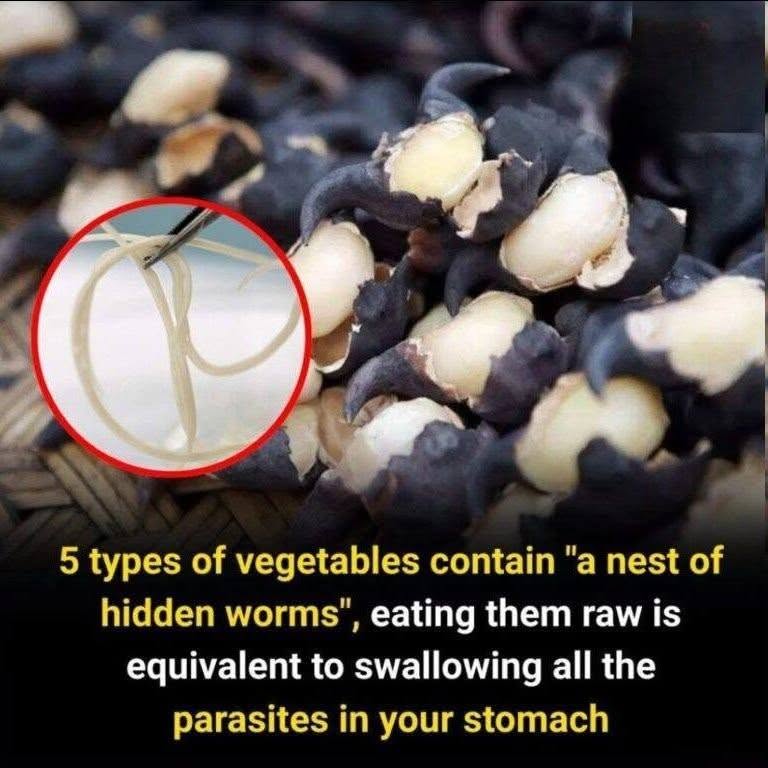
Aquatic vegetables—such as water caltrops (horned water chestnuts), lotus roots, water bamboo, and watercress—are prized in many culinary traditions for their crisp texture and unique flavor profiles. However, because these plants grow in shallow freshwater environments, their outer skins can harbor microscopic parasites, including the giant intestinal fluke (Fasciolopsis buski).
Consuming raw aquatic plants without adequate washing, peeling, or heat treatment can lead to foodborne parasitic infections.
Below is a detailed guide covering aquatic plant risks, common parasite species, and essential kitchen hygiene practices for safe consumption.
Aquatic Vegetable Safety Matrix
+-------------------------------------------------------------------+
|               AQUATIC VEGETABLE SAFETY MATRIX                     |
|                                                                   |
|  [ PARASITE RISK ]   • Fasciolopsis buski encysts on aquatic skins |
|  [ HIGH-RISK PLANTS ]• Water caltrops, lotus roots, watercress    |
|  [ PREPARATION ]     • Peel outer shell completely before cooking |
|  [ HEAT TREATMENT ]  • Boil or cook thoroughly (kills parasites)  |
+-------------------------------------------------------------------+
Key Highlights of Aquatic Food Safety:
-
Surface Attachment: Parasite cysts attach firmly to the outer peel or skin of plants cultivated in stagnant or slow-moving freshwater.
-
Peeling Is Essential: Peeling off the tough outer skin of water caltrops and lotus roots removes the vast majority of surface contaminants.
-
Heat Kills Pathogens: Cooking or boiling aquatic vegetables completely neutralizes parasite metacercariae, making the food entirely safe to consume.
-
Avoid Raw Consumption: Refraining from eating raw aquatic plants directly after harvesting prevents accidental ingestion of foodborne parasites.
4 Essential Safety Rules for Aquatic Vegetables
1. Thoroughly Peel the Outer Shell
-
Why It Matters: Parasites encyst on the exterior surface of underwater roots and nuts.
-
Best Practice: Use a sharp knife or vegetable peeler to remove all outer husk, skin, or bark before preparing the edible core.
2. Boil or Cook Thoroughly
-
Why It Matters: Parasite cysts are susceptible to high temperatures.
-
Best Practice: Steam, boil, or stir-fry aquatic vegetables at boiling temperatures for at least 3 to 5 minutes to ensure heat reaches the core.
3. Wash Hands and Utensils After Handling
-
Why It Matters: Cross-contamination can occur if raw peels contact cutting boards, knives, or serving dishes.
-
Best Practice: Wash hands thoroughly with soap and warm water, and sanitize prep surfaces after cutting raw aquatic produce.
4. Source from Clean Agricultural Water
-
Why It Matters: Commercially cultivated aquatic crops grown under strict agricultural water management carry significantly lower contamination risks than wild-harvested plants.
-
Best Practice: Purchase produce from certified food suppliers and inspect whole vegetables for freshness and integrity.
Conclusion
Understanding how aquatic plants grow and practicing standard food safety steps—such as thorough peeling and heat cooking—ensures you enjoy healthy, delicious meals without risk.
Frequently Asked Questions (FAQ)
Can washing water caltrops or lotus roots with water alone remove parasites?
Rinsing with cold water removes surface dirt, but parasite cysts cling tightly to plant surfaces. Thorough peeling and heat cooking are required for total safety.
Is Fasciolopsis buski treatable?
Yes. Fasciolopsiasis is a treatable parasitic infection typically managed effectively with prescribed antiparasitic medication under medical supervision.
