
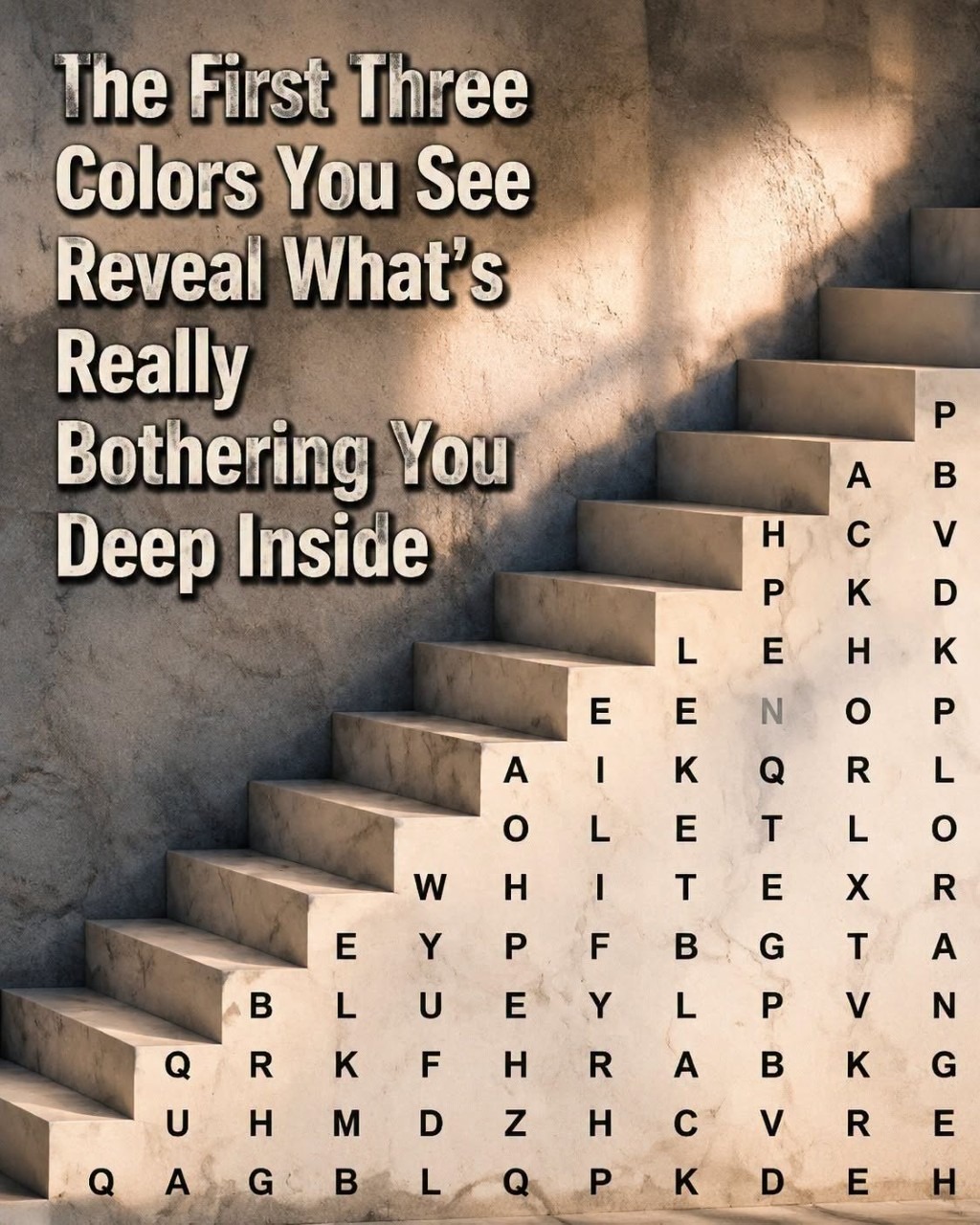
Word search puzzles and visual games have gained widespread popularity across digital platforms as entertaining tools for relaxation, cognitive stimulation, and self-reflection. Beyond their entertainment value, these visual exercises tap into the fascinating field of color psychology—the study of how different shades affect emotional states, perception, and cognitive focus.
Understanding how colors interact with our mental state can help individuals design calmer living spaces, boost productivity, and improve stress management.
Below is a detailed guide breaking down color psychology meanings, visual perception mechanics, and practical ways to use color for daily wellness.
Color Psychology & Mood Matrix
+-------------------------------------------------------------------+
|                 COLOR PSYCHOLOGY & MOOD MATRIX                    |
|                                                                   |
|  [ BLUE ]            • Promotes tranquility, calm & lower stress  |
|  [ WHITE ]           • Symbolizes clarity, balance & fresh starts |
|  [ ORANGE ]          • Stimulates energy, creativity & enthusiasm |
|  [ BLACK ]           • Represents structure, mystery & boundaries |
+-------------------------------------------------------------------+
Key Highlights of Visual Perception & Color Impact:
-
Cognitive Pattern Recognition: The brain naturally seeks familiar words and vibrant color associations, reflecting subconscious focus areas or daily aesthetic preferences.
-
Stress Reduction Through Blue: Cool hues like blue and soft teal are scientifically shown to lower heart rate and foster feelings of mental calm.
-
Energy Boosting Warmer Tones: Warm colors such as orange and yellow stimulate brain activity, encouraging enthusiasm, drive, and creative thinking.
-
Mindful Micro-Breaks: Engaging in short word games or visual puzzles provides a quick mental reset, reducing daily digital fatigue.
What Common Colors Symbolize in Psychology
1. Blue (Calmness & Serenity)
-
Psychological Impact: Highly associated with peacefulness, stability, and trust.
-
Wellness Benefit: Surrounding yourself with blue tones can help reduce anxiety, lower blood pressure, and improve focus during stressful tasks.
2. White (Clarity & Clean Slate)
-
Psychological Impact: Represents simplicity, purity, order, and new beginnings.
-
Wellness Benefit: Incorporating clean white or neutral shades into workspace environments helps minimize visual clutter and mental overwhelm.
3. Orange (Vitality & Enthusiasm)
-
Psychological Impact: Blends the warmth of red with the cheerfulness of yellow, evoking social energy and motivation.
-
Wellness Benefit: Great for creative workspaces or exercise rooms where high energy and optimism are needed.
4. Black (Focus & Grounding)
-
Psychological Impact: Symbolizes strength, formal elegance, boundaries, and deep introspective focus.
-
Wellness Benefit: Provides visual grounding and structure when balanced effectively with lighter, brighter accent colors.
Conclusion
Engaging with visual puzzles offers a pleasant daily break while reminding us of the powerful ways color psychology influences our mood, stress levels, and emotional clarity every day.
Frequently Asked Questions (FAQ)
Can color psychology really affect your daily mood?
Yes. Studies in environmental psychology demonstrate that ambient colors alter physiological responses, affecting cortisol levels, heart rate, and emotional perception.
How can I use color psychology at home?
Use cool tones like soft blues and greens in bedrooms or quiet areas for relaxation, and use vibrant accents like orange or yellow in offices and kitchens to boost energy and creativity.
