
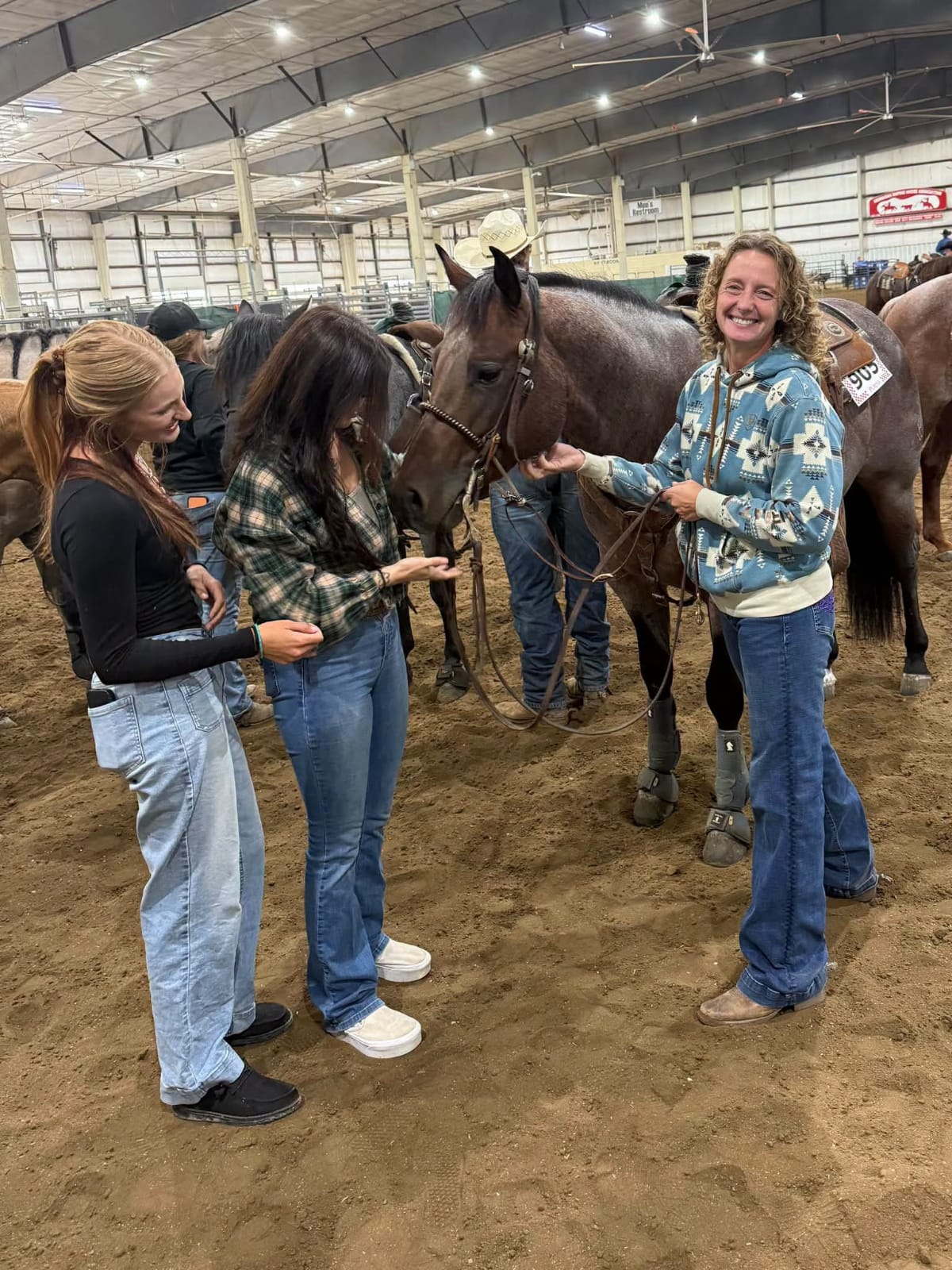
Equestrian sports and horse ownership foster a deep bond between riders and their animals. Whether preparing for regional competitions, western riding events, or managing a personal stable, understanding proper horse handling, equine care, and facility management is essential for success.
Building strong connections with horses requires patience, consistent training, and comprehensive attention to their physical and emotional well-being.
Equestrian Care & Facility Management Overview
+——————————————————————-+
| EQUESTRIAN CARE & STABLE MANAGEMENT OVERVIEW |
+——————————————————————-+
| EQUINE HEALTH | Nutrition, regular vet checks, & grooming |
| TRAINING & BONDING | Groundwork, positive reinforcement, & ride|
| FACILITY SAFETY | Arenas, proper footing, & secure stalls |
| COMMUNITY & EVENTS | Competitions, clinics, & youth programs |
+——————————————————————-+
Key Elements of Successful Horse Handling and Training
1. Groundwork and Building Mutual Trust
Before mounting, establishing clear groundwork builds mutual trust and respect between horse and handler. Consistent verbal cues and gentle hand signals help horses feel safe in busy arena environments.
2. Comprehensive Equine Grooming and Healthcare
Regular grooming keeps coats healthy, prevents skin issues, and provides an opportunity to inspect for minor injuries or hoof sensitivity. Proper nutrition, hydration, and routine veterinary visits maintain peak physical performance.
3. Creating Safe Indoor Arena Conditions
Maintaining well-kept dirt footing, secure fencing, and proper ventilation inside indoor equestrian centers prevents injuries during training and livestock sales events.
Smart Financial Management and Ranch Planning
Managing an equestrian stable or personal ranch connects directly with prudent personal finance management. Preparing for feed costs, veterinary care, and equipment upgrades ensures stable long-term operations.
Maintaining disciplined budgeting supports a strong credit score, making it easier to qualify for competitive terms on a land or farm mortgage. Directing farm revenues into a well-managed investment portfolio or long-term retirement account ensures lasting financial independence.
+——————————————————————–+
| FINANCIAL HEALTH & WELLNESS BUDGET STRATEGY |
+——————————————————————–+
| BUDGET DISCIPLINE | Allocate reserves for equine veterinary care |
| CREDIT PROTECTION | Maintain low debt ratios to protect credit |
| WEALTH BUILDING | Direct savings into long-term growth funds |
| RISK MANAGEMENT | Secure complete health, home, & life insurance |
+——————————————————————–+
Risk Management, Asset Protection, and Legal Considerations
Whether operating a commercial riding school, hosting rodeo events, or managing an equine breeding business, risk management and legal compliance are critical.
Ranch owners and equestrian business managers work closely with an experienced attorney or utilize professional legal services to draft liability waivers, lease agreements, and manage commercial facility liabilities. Additionally, securing specialized equine liability and property insurance safeguards valuable livestock and business assets.
Modern Technology, Education, and Quality Living
Modern agricultural technology, including automated feeding systems, arena soil moisture sensors, and health wearables, simplifies daily stable operations.
Pursuing ongoing education in animal husbandry and equestrian techniques promotes livestock health and riding safety. Prioritizing wellness provides the stamina needed to achieve professional riding goals, enjoy leisure travel, and share outdoor traditions with family.
Practical Tips for Safe Horse Interactions
Approach Calmly: Always approach horses with calm movements and a relaxed voice to avoid startling them.
Watch Body Language: Pay attention to ear positioning, tail swishing, and posture to gauge a horse’s mood and comfort level.
Use Proper Equipment: Ensure bridles, saddles, and halters fit comfortably to prevent irritation or restriction during riding.
Conclusion
Equestrian life is a rewarding journey that combines dedication, animal care, and strong community spirit.
Combining passion for horses with disciplined finance management, proper insurance protection, and safe facilities ensures a thriving, confident, and well-balanced lifestyle.
FAQ Section
What is the best way to introduce a beginner to horse handling?
Start with basic groundwork, grooming, and haltering in a quiet, controlled environment alongside an experienced trainer.
Why is indoor arena footing important?
Proper arena soil depth and texture prevent slipping, cushion hoof impact, and protect horse joints during jumping, reining, or riding exercises.
How often should horses undergo health checks?
Horses should receive regular veterinary exams at least once or twice a year for vaccinations, dental floats, and routine health evaluations.
