
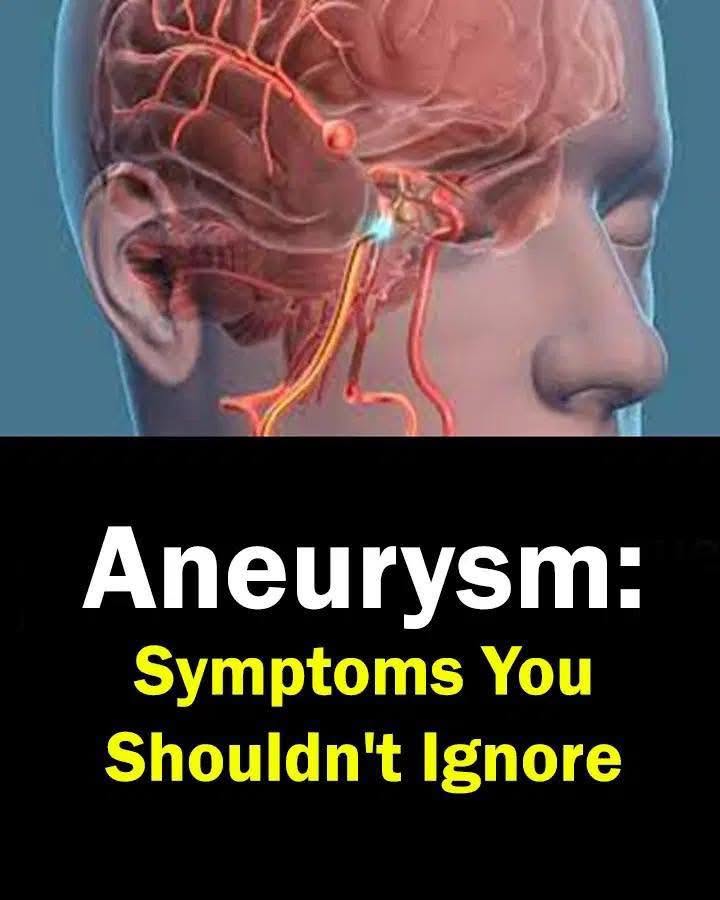
Myth vs. Reality: Aneurysms — What People Misunderstand (and the Science Behind It)
Aneurysms, often described as a bulge or dilation in the wall of a blood vessel, are the subject of many misconceptions. Because many people remain silent until a problem arises, myths spread easily. Below, we debunk the most common misconceptions and explain the science behind what actually happens in the body.
Aneurysm awareness guide
Anatomy
See more
Specialized medical consultation
Health myths debunked
Information about aneurysms
Myth 1: “Only older adults have aneurysms.”
Fact: Aneurysms can occur at any age.
Aneurysm awareness guide
Science:
Age increases the risk because the walls of blood vessels gradually lose elasticity and accumulate damage. However, aneurysms can also develop at a younger age due to genetic predisposition, connective tissue disorders (such as Ehlers-Danlos syndrome), or congenital vascular weakness. Lifestyle factors, especially smoking and uncontrolled hypertension, accelerate vascular damage regardless of age.
Myth 2: “If there are no symptoms, it is not dangerous.”
Fact: Many aneurysms are asymptomatic until they rupture.
Aneurysm awareness guide
Small or stable aneurysms often do not compress nearby structures and therefore do not cause symptoms. However, the arterial wall at the site of the aneurysm is structurally weakened. Over time, hemodynamic stress (the force of blood flow) can further thin the wall. When the wall fails, a rupture can occur, causing internal bleeding, such as a subarachnoid hemorrhage in the brain, which is a medical emergency. Study Anatomy
Anatomy
See more
Headaches and migraines
Cooking and recipes
Grain and pasta
Myth 3: “A headache is just a headache.”
Fact: A sudden, severe headache may indicate a ruptured brain aneurysm.
Science:
Patients often describe it as “the worst headache of my life.” This pain is caused by the rapid irritation of the meninges (the brain’s protective membranes) by blood. It may be accompanied by nausea, neck stiffness, sensitivity to light, or fainting. This is not a common tension headache or migraine; it requires immediate emergency medical attention.
Myth 4: “Healthy people have nothing to worry about.”
See more
Apples
Neurological conditions
Palliative treatment
Aneurysms can develop silently due to microscopic changes in the arterial wall, such as inflammation, collagen degradation, and alterations in blood flow. Even in seemingly healthy individuals, factors such as chronic stress, undiagnosed hypertension, or a family history of aneurysms can contribute to their formation and growth.
Myth 5: “All aneurysms rupture.”
Fact: Not all aneurysms rupture, but the risk varies.
Science:
The risk of rupture depends on the size, location, growth rate, and integrity of the arterial wall. For example, larger aneurysms or those located in certain cerebral arteries are more likely to rupture. Doctors may recommend monitoring with imaging tests or preventive treatment (such as surgical clipping or endovascular embolization) based on an individualized risk assessment. What really happens in an aneurysm?
Essentially, an aneurysm forms when a section of a blood vessel wall weakens and begins to bulge due to pressure. This weakening involves:
Loss of structural proteins (such as collagen and elastin)
Chronic inflammation of the vessel wall
Abnormal blood flow patterns that put pressure on specific points of the arteryOver time, the wall can become so thin that it tears or breaks, which can lead to life-threatening bleeding.
Find Treatments
Why is this information important?
Aneurysms are dangerous not only because of the risk of rupture, but also because they are often invisible until it is too late.
Understanding the facts helps people to:
Recognize warning signs early.
Identify personal risk factors.
Seek timely medical attention.
Find Treatments
Even before the breakup, or right at the moment it begins, your body may send subtle or sudden signals:
Possible early signs of an aneurysm (without rupture):
Pain behind or above one eye
; dilated pupil;
blurred or double vision
; drooping eyelid;
numbness or weakness on one side of the face
These symptoms occur when the aneurysm presses on nearby nerves.
Emergency signs of rupture:
Sudden, severe headache (the worst you’ve ever had)
Nausea and vomiting
Stiff neck
Sensitivity to light
Confusion or loss of consciousness
Seizures This is a medical emergency. Call emergency services immediately.
