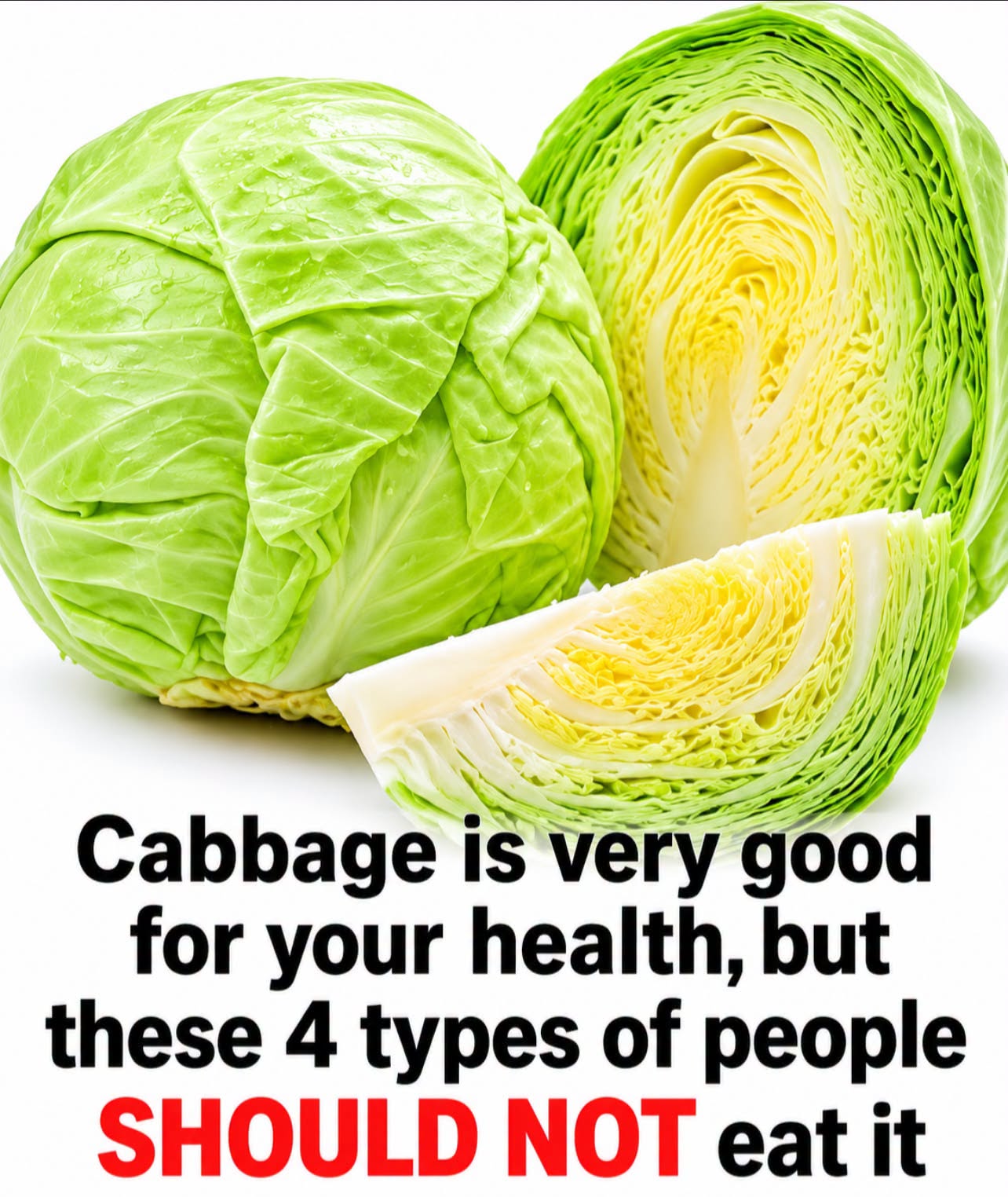
Health-focused trivia, nutritional guides, and wellness warnings frequently go viral across social media platforms, sparking immense curiosity and lively discussions worldwide. When a simple graphic highlights important dietary caveats—such as identifying specific groups of people who should exercise caution or avoid eating cabbage—it strikes a deeply informative and engaging chord with audiences everywhere. Why do health and nutrition posts generate such massive engagement online? In this comprehensive guide, we explore the incredible nutritional profile of cabbage, potential dietary restrictions, the psychology of health sharing, and practical ways to maintain a balanced, nourishing lifestyle.The Nutritional Powerhouse of CabbageCabbage is a cruciferous vegetable packed with essential vitamins, minerals, and powerful antioxidants.Vitamins C and K: Cabbage is exceptionally rich in vitamin C, supporting immune function, and vitamin K, which plays a crucial role in blood clotting and bone health.Dietary Fiber: High fiber content promotes healthy digestion, gut motility, and long-term satiety.Antioxidant Compounds: Cruciferous vegetables contain phytonutrients that help reduce oxidative stress and inflammation throughout the body.4 Types of People Who Should Exercise Caution with CabbageWhile cabbage offers fantastic health benefits for the general population, certain health conditions and dietary needs require moderation or avoidance:1. Individuals with Hypothyroidism (Thyroid Issues)The Reason: Cabbage contains compounds called goitrogens, which can interfere with the body’s ability to absorb iodine and produce thyroid hormones when consumed in large, raw quantities.2. People Prone to Digestive Sensitivities (IBS or Bloating)The Reason: Cabbage contains complex sugars (like raffinose) and high amounts of insoluble fiber, which can ferment in the gut and cause gas, bloating, and discomfort for individuals with irritable bowel syndrome (IBS).3. Individuals Taking Blood-Thinning Medications (Anticoagulants)The Reason: Because cabbage is very rich in vitamin K—a nutrient essential for blood clotting—sudden large changes in intake can interfere with medications like warfarin. Consistency and medical guidance are key.4. People with Severe Kidney ImpairmentThe Reason: Cruciferous vegetables contain certain minerals and potassium levels that individuals with advanced kidney disease or restricted diets may need to monitor carefully under a doctor’s supervision.Why Health and Wellness Posts Cause Massive Social Media EngagementInformative health graphics are masterclasses in digital community building and user education.The Power of Sharing Practical AdviceWhen a post highlights surprising health facts or dietary warnings, it encourages followers to tag friends, share wellness tips, and discuss their experiences in the comment section. The Dopamine Reward of DiscoveryUncovering useful nutritional knowledge gives users a satisfying sense of learning and self-care improvement.Cognitive and Psychological Benefits of Wellness AwarenessEngaging with health education offers significant personal and social rewards.Enhancing Health LiteracyRegularly reading about nutrition and dietary needs empowers individuals to make informed choices about their daily meals.Fostering Community SupportSharing health tips with loved ones builds a supportive environment focused on collective well-being.Practical Ways to Incorporate Cabbage MindfullyIf you enjoy cabbage and want to include it safely in your diet, consider these practical techniques:Cook It Thoroughly: Steaming, boiling, or fermenting cabbage breaks down goitrogens and complex sugars, making it much easier to digest.Practice Portion Control: Enjoy cabbage in moderate servings rather than eating large quantities in a single meal.Consult a Healthcare Professional: If you manage specific medical conditions like hypothyroidism or take blood thinners, talk to your doctor about your ideal dietary intake.Listen to Your Body: Pay attention to how your digestive system reacts to cruciferous vegetables and adjust accordingly.Keep Learning: Maintain a curious, balanced approach to nutritional science and healthy living.Fascinating Facts About Cabbage HistoryAncient Cultivation: Cabbage has been cultivated for thousands of years, originating in Europe and becoming a staple crop across diverse global cuisines.Fermentation Traditions: Preserving cabbage through fermentation (such as sauerkraut and kimchi) not only extends its shelf life but also produces beneficial probiotics for gut health.Viral Internet Reach: Nutrition and health-warning graphics remain one of the most reliable formats for driving high user engagement, saves, and comments online. ConclusionHealth and wellness posts provide a wonderful blend of education, practical value, and community sharing. By understanding both the incredible benefits of cruciferous vegetables and the specific situations where caution is needed, you can make the best choices for your personal wellness journey. Whether you enjoy cabbage cooked in your favorite recipe or share these tips with friends, keeping your lifestyle informed and healthy is the ultimate reward!Frequently Asked Questions (FAQ)1. Why might individuals with thyroid issues need to avoid raw cabbage?Cabbage contains goitrogens, which can interfere with iodine uptake and thyroid hormone synthesis when eaten raw in large amounts.2. Does cooking cabbage make it easier to digest?Yes! Cooking (such as boiling or steaming) breaks down complex sugars and goitrogenic compounds, reducing gas and making it gentler on the digestive system.3. Why is vitamin K in cabbage important for people on blood thinners?Vitamin K promotes blood clotting, which can counteract the intended effects of anticoagulant medications if consumption fluctuates wildly.4. Why are health trivia posts so popular on social media?They provide easily digestible, practical information that users love to learn, discuss, and share with friends and family.
The Ultimate Health Guide to Cabbage: Nutritional Benefits, Dietary Precautions, and Viral Wellness Posts