
Three Types of People You Should Never Forget in Your Life
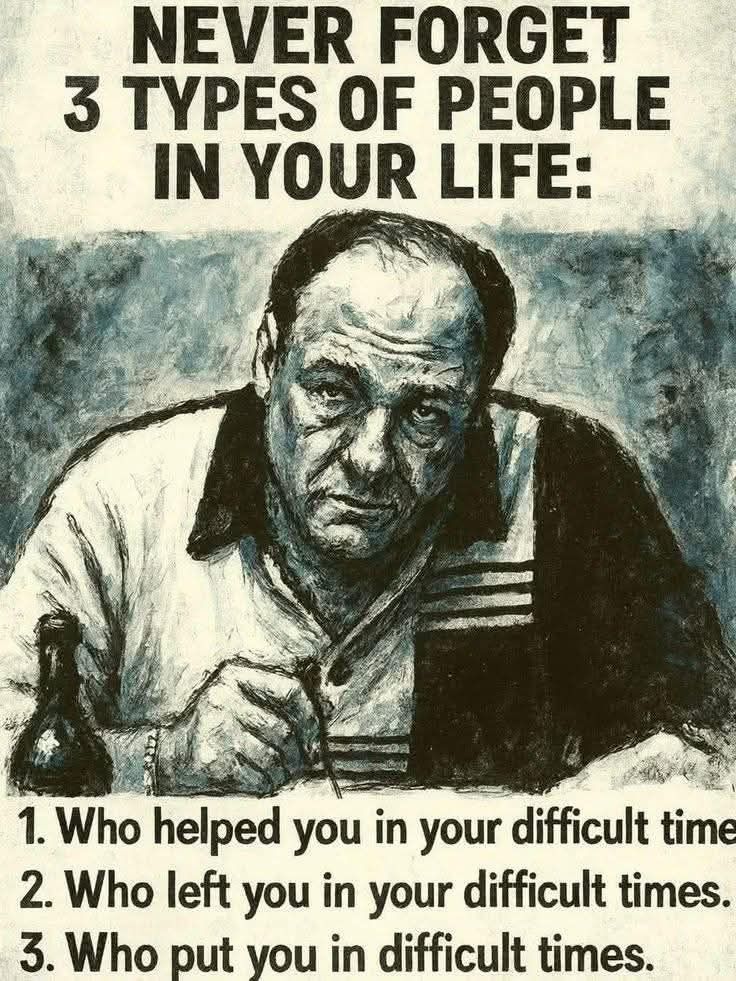
Throughout our lives, relationships shape our character, test our resilience, and define our personal journeys. While many acquaintances come and go, certain individuals leave an indelible mark on our memories. A popular and widely shared image featuring television icon Tony Soprano outlines a profound piece of life wisdom: “Never forget 3 types of people in your life: 1. Who helped you in your difficult time. 2. Who left you in your difficult times. 3. Who put you in difficult times.”
This blunt, no-nonsense philosophy cuts straight to the heart of human loyalty, accountability, and emotional survival. Examining the psychology of relationships, loyalty, and the lessons learned through adversity reveals why this timeless reminder resonates so deeply with millions.
1. Remembering Who Helped You in Your Difficult Times
The first category highlights gratitude and loyalty. When life throws unexpected hardships our way—whether through financial strain, personal loss, health crises, or professional setbacks—true friends and steadfast allies reveal themselves through their actions.
Remembering those who stood by your side when times were tough is a vital practice of appreciation. It allows you to nurture deep, authentic relationships and ensure that you are there to support them when they face their own seasons of difficulty.
Cultivating Genuine Gratitude: Recognizing support fosters a lifelong bond of trust and mutual respect.
Reciprocal Loyalty: Strong relationships are built on standing together through both celebrations and trials.
Emotional Anchoring: Remembering who helped you keeps you humble and grounded during periods of success.
2. Remembering Who Left You in Your Difficult Times
Adversity acts as an ultimate filter for relationships. When difficult times arrive, it is common to discover that certain people vanish the moment convenience and comfort disappear. While abandonment hurts, remembering who walked away provides invaluable clarity.
Recognizing who left isn’t about holding onto bitter grudges; it is about self-preservation and emotional wisdom. It teaches us valuable lessons about boundaries, realistic expectations, and investing our energy into people who demonstrate genuine commitment.
The Clarity of Boundaries: Hardship reveals true character, showing you who can be trusted in times of need.
Reallocating Energy: Directing your focus away from fair-weather acquaintances frees up emotional space for reliable supporters.
Personal Growth: Overcoming rejection builds emotional independence and resilience.
3. Remembering Who Put You in Difficult Times
The final category addresses accountability, caution, and learning from negative experiences. Throughout life, we occasionally encounter individuals whose actions, deception, or poor judgment actively create hardship for others.
Remembering who brought unnecessary chaos or pain into your life is an essential survival mechanism. It ensures that you recognize toxic patterns, protect your peace, and avoid repeating past mistakes by trusting the wrong people twice.
Wisdom Through Experience: Recognizing harmful behavior helps you spot warning signs early in future interactions.
Protecting Your Peace: Establishing firm boundaries with toxic individuals safeguards your mental well-being and financial stability.
Accountability and Discernment: Exercising caution is not about revenge; it is about practicing smart life discernment.
Financial Wisdom, Trust, and Reliable Partnerships
The principles of loyalty and discernment also apply directly to professional life, business partnerships, and financial management. Choosing the right people to trust with your career, investments, and household security is critical:
Vet Business Partners Carefully: Just as personal relationships are tested by adversity, financial partnerships require proven reliability and trust during economic downturns.
Build a Support Network: Surround yourself with mentors, reliable advisors, and supportive family members who encourage long-term stability.
Protect Your Assets: Exercise financial caution and thorough due diligence to avoid people or ventures that could put your hard-earned security at risk.
Practical Tips for Navigating Relationships Wisely
Applying this three-part philosophy to your daily life can help you cultivate healthier relationships and emotional clarity:
Express Appreciation: Reach out to someone who helped you through a tough time and let them know how much their support meant to you.
Evaluate Your Circle: Reflect honestly on your relationships to ensure you are investing your time in reciprocal, loyal friendships.
Set Firm Boundaries: Distance yourself gracefully from individuals who consistently bring unnecessary drama, stress, or hardship into your life.
Forgive Without Forgetting: Practice emotional forgiveness for your own peace of mind while retaining the wisdom and lessons learned from past challenges.
Fascinating Facts About Human Psychology and Loyalty
The Dunbar Number: Anthropological research suggests that humans maintain a cognitive limit of around 150 stable relationships, with only a tiny fraction representing deep, core support systems.
The Psychology of Adversity: Psychological studies show that shared hardships create some of the strongest and most enduring psychological bonds between individuals.
The Impact of Gratitude: Regularly practicing gratitude and acknowledging supportive people has been scientifically proven to lower stress levels and improve overall mental health.
Conclusion
The powerful sentiment captured in the meme serves as a timeless guide for navigating human relationships. By remembering who helped you, recognizing who walked away, and keeping your eyes open regarding who caused harm, you build a life grounded in wisdom, resilience, and genuine connection.
FAQ Section
Why is it important to remember who left during hard times?
Remembering who abandoned you during hardships provides clarity, helping you establish healthy boundaries and invest your energy into loyal, trustworthy relationships.
Does remembering people who caused difficulties mean holding a grudge?
Not necessarily. Remembering past hardships is a form of discernment and self-protection, allowing you to recognize toxic patterns and avoid repeating mistakes without needing to harbor bitter anger.
How can you strengthen supportive relationships?
You can strengthen relationships by actively showing appreciation, offering reciprocal support during their times of need, and communicating openly and honestly.
