
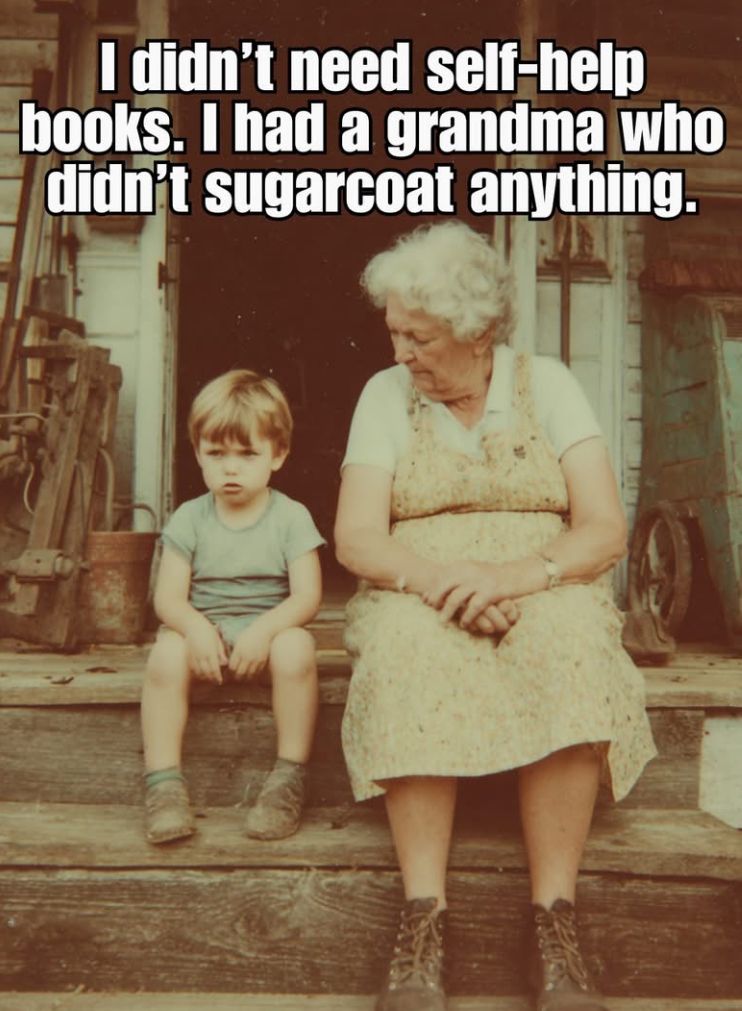
The Lost Art of Grandmama’s Unfiltered Wisdom: Why We Didn’t Need Self-Help Books
In today’s modern world, seeking guidance, emotional clarity, or life advice often involves downloading mental health apps, listening to podcasts, or browsing rows of best-selling self-help books. However, for generations past, personal development didn’t come from professional gurus or paperback manuals. It came straight from the front porch or the kitchen table, delivered by a grandmother who possessed zero interest in sugarcoating reality.
Whether delivering a blunt reality check about hard work, accountability, or manners, grandparents offered a brand of straightforward wisdom that shaped character far more effectively than any modern guide. Examining the cultural history of generational wisdom, the psychology of straight talk, and why these nostalgic memories resonate so deeply today reveals the lasting value of unfiltered honesty.
The Cultural Tradition of Generational Wisdom
Before specialized parenting experts and wellness coaches became household staples, family structures were deeply interconnected. Grandparents played a central role in raising children, passing down practical survival skills, moral values, and emotional resilience.
Unlike modern therapeutic approaches that often prioritize gentle validation, older generations favored a pragmatic, results-oriented philosophy. If a child complained about boredom, unfairness, or minor hardships, they were rarely met with endless coddling. Instead, they received a healthy dose of perspective and a reminder to roll up their sleeves and get to work.
Radical Accountability: Grandmas taught children to take ownership of their mistakes rather than blaming external circumstances.
Emotional Resilience: Straightforward feedback built thick skin, teaching kids how to bounce back from failure without seeking constant praise.
Practical Common Sense: Life lessons were anchored in everyday reality, prioritizing hard work, honesty, and self-reliance over abstract theories.
The Psychology of Blunt Feedback and Mental Toughness
Modern psychological research often highlights the importance of emotional validation, but it also supports the value of constructive, unfiltered feedback in building adaptive coping skills. When children experience blunt truth delivered from a place of deep love and security, it helps develop emotional regulation and realistic expectations.
Over-shielding children from discomfort can sometimes hinder their ability to handle adversity later in life. Grandmas who didn’t sugarcoat things provided a safe space where kids learned that criticism isn’t fatal and that setbacks are simply a normal part of growing up.
Shattering Entitlement: Blunt honesty served as an immediate antidote to entitlement or self-pity.
Grounding Perspective: Exaggerated worries were quickly put into perspective by older family members who had lived through genuine historical hardships.
Unconditional Love Beneath Toughness: The most powerful aspect of grandmotherly advice was that the harshest truths were always delivered with absolute loyalty and devotion.
Financial Wisdom, Hard Work, and Long-Term Stability
The practical mindset championed by older generations also translated directly into household economics and personal finance. Grandmas who lived through periods of economic scarcity taught invaluable lessons about frugality, resourcefulness, and financial discipline.
Applying traditional commonsense financial habits provides lasting stability in today’s complex economy:
Live Below Your Means: Avoid lifestyle inflation and unnecessary luxuries, focusing instead on long-term security and debt avoidance.
Value Hard-Earned Money: Respect the effort required to earn a living by making thoughtful, deliberate purchasing decisions.
Prioritize Preparedness: Build emergency savings, maintain your own assets, and rely on personal resilience rather than external bailouts.
Practical Tips for Bringing Honest Communication Back
While modern communication has evolved, incorporating a little old-school straight talk into your daily interactions can strengthen relationships and personal clarity:
Value Truth Over Comfort: When friends or family members ask for advice, offer honest, supportive feedback rather than just telling them what they want to hear.
Encourage Accountability: Take responsibility for your own choices without making excuses, modeling integrity for younger generations.
Listen to Older Voices: Spend time talking with older family members or mentors to absorb historical perspective and time-tested wisdom.
Embrace Discomfort as Growth: View constructive criticism not as a personal attack, but as an opportunity to build resilience and improve.
Fascinating Facts About Family Dynamics Through History
The Multi-Generational Household: For centuries, extended families routinely lived under the same roof or within close proximity, making daily intergenerational mentorship a natural part of childhood.
The Rise of Self-Help Culture: The modern self-help publishing industry exploded in the late 20th century, coinciding with the shift away from close-knit community and extended family living arrangements.
The Power of Proverbs: Traditional family wisdom was often passed down through memorable adages and concise sayings designed to stick in a child’s mind during moments of temptation or doubt.
Conclusion
The viral sentiment that “I didn’t need self-help books; I had a grandma who didn’t sugarcoat anything” captures a profound truth about human connection and character building. While modern resources have their place, nothing replaces the authentic, grounded wisdom of an elder who cares enough to tell you the unvarnished truth. Cherishing those lessons keeps a timeless tradition of resilience and honesty alive.
FAQ Section
Why do people feel nostalgic for older parenting styles?
Many people look back fondly on older styles of upbringing because they emphasize personal accountability, outdoor freedom, emotional resilience, and straightforward communication over modern micro-management.
Did grandparents really play such a big role in past generations?
Yes. Historically, extended family networks lived closer together and shared domestic responsibilities heavily, making grandparents active, daily participants in mentoring and raising children.
How does straight talk help build emotional resilience?
Direct, honest feedback helps individuals detach their self-worth from temporary failures, teaching them to accept constructive criticism and adapt to real-world challenges without taking offense.
