
The True Definition of a Toxic Relationship: Neither Cutting It Off Nor Letting It Go
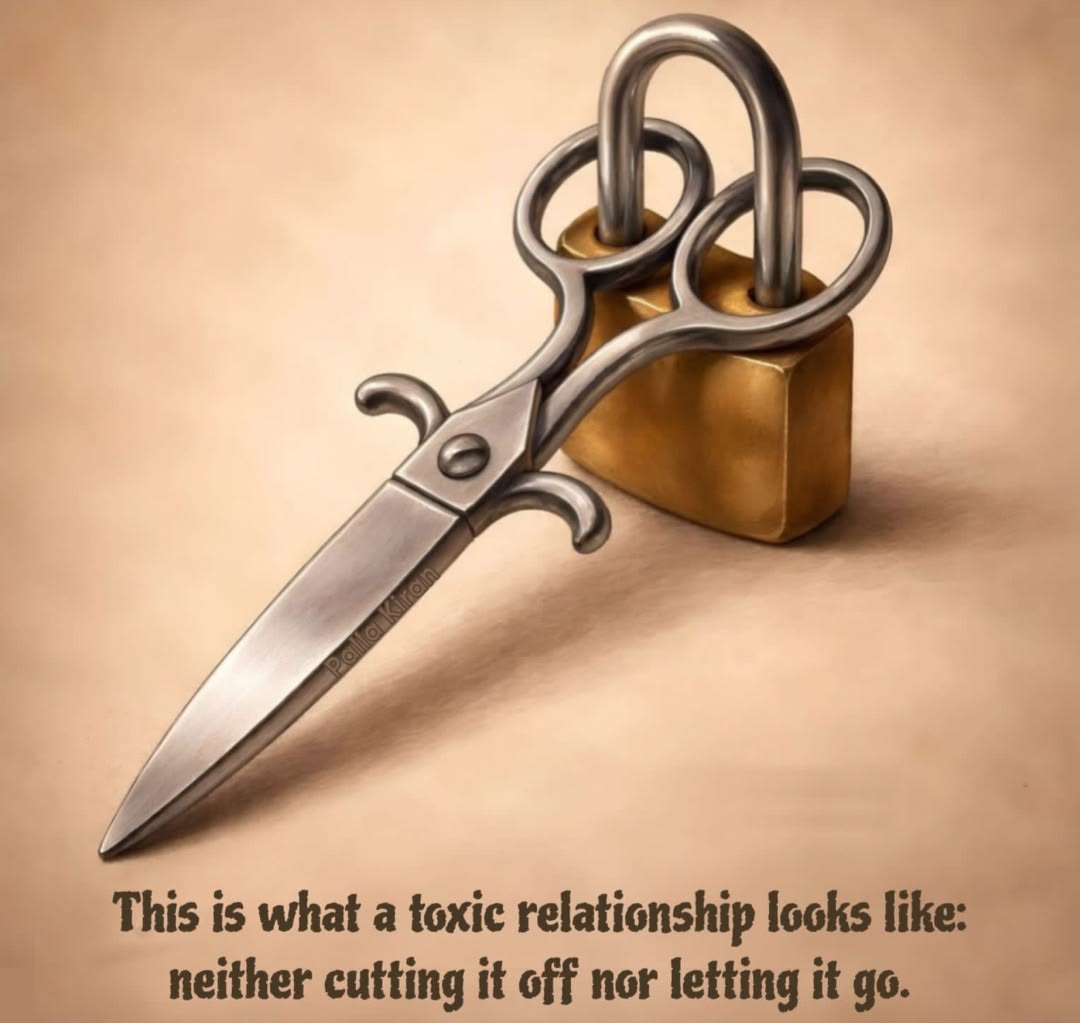
Navigating interpersonal relationships requires honesty, emotional clarity, and the courage to make difficult choices. While healthy relationships provide mutual support and growth, unhealthy dynamics can trap individuals in cycles of emotional stagnation. A popular and striking viral image features a clever artistic metaphor—a pair of scissors tangled and looped through a brass lock, unable to function—accompanied by a profound caption: “This is what a toxic relationship looks like: neither cutting it off nor letting it go.”
This powerful visual and textual message resonates with millions because it captures the painful paralysis of dysfunctional relationships. Examining the psychology of emotional attachment, the trap of ambivalence, and why breaking free matters reveals the deep wisdom behind this advice.
The Psychology of Ambivalence and Emotional Paralysis
In many unhealthy relationships, partners or acquaintances become stuck in a state of chronic ambivalence. Instead of actively resolving conflicts or making the clean break necessary to protect their peace, they linger in a holding pattern characterized by resentment, mixed signals, and emotional exhaustion.
Psychological studies show that prolonged emotional ambiguity creates high levels of chronic stress. Much like the tangled scissors in the image that cannot cut and cannot be released, individuals trapped in this dynamic lose their ability to move forward constructively.
The Fear of Finality: People often delay ending toxic ties due to fear of loneliness, guilt, or the comfort of familiar routine, even when the relationship causes active harm.
Chronic Resentment: Staying in a dysfunctional dynamic without genuine resolution breeds deep-seated bitterness and frustration over time.
The Loss of Agency: When you refuse to either fix a relationship or walk away from it, you surrender your personal control and emotional well-being.
Breaking the Cycle: Choosing Between Repair and Release
True emotional maturity involves recognizing when a relationship has reached an impasse. Resolving a toxic dynamic requires making a decisive choice: either actively and honestly work together to heal the connection through mutual accountability, or gracefully and permanently cut ties to protect your mental health.
Stuck in the middle—neither cutting it off nor letting it go—prevents both parties from finding peace or pursuing healthier connections.
Commitment to Real Repair: If a relationship is worth saving, both individuals must invest genuine effort into rebuilding trust and open communication.
The Courage to Walk Away: If toxic patterns persist without change, making a clean break is the healthiest path forward.
Prioritizing Emotional Health: Releasing dead-end relationships frees up the mental space required for personal growth and positive community.
Financial Wisdom, Commitment, and Bad Investments
The principle of recognizing when to cut ties also applies directly to business partnerships, investments, and career decisions. Sticking with a failing enterprise simply because of past time invested is a common economic trap:
Avoid the Sunk Cost Fallacy: Do not throw more money or time into a failing business venture or bad investment just because you have already committed resources to it.
Cut Financial Losses Early: Recognize when a partnership or project is fundamentally flawed and make the objective decision to exit before incurring further damage.
Invest in Sound Opportunities: Allocate your capital and professional energy toward stable, high-yield ventures with proven integrity and growth potential.
Practical Tips for Resolving Stuck Relationships
If you find yourself caught in a stagnant or toxic dynamic, try these actionable steps to find clarity:
Assess the Dynamic Honestly: Ask yourself whether the relationship is actively adding value to your life or causing ongoing stress and confusion.
Communicate Clearly: Have an open, honest conversation to determine if both parties are willing to put in the effort required to repair the bond.
Make a Decisive Choice: Commit either to active healing or to stepping away gracefully; avoid lingering in emotional limbo.
Seek Supportive Guidance: Talk to trusted mentors, counselors, or friends who can offer objective perspective and encouragement.
Fascinating Facts About Human Attachment and Psychology
The Sunk Cost Effect: Behavioral economists have shown that humans are psychologically wired to continue investing time, money, or emotional energy into a losing situation simply because they have already invested heavily in it.
The Health Impact of Stress: Stagnant, high-conflict relationships keep the body’s stress response activated, which has been linked to anxiety, sleep disruption, and weakened immune function.
The Power of Closure: Achieving psychological closure—whether through mutual resolution or a definitive break—is vital for emotional recovery and personal well-being.
Conclusion
The powerful imagery of the tangled scissors serves as a timeless reminder that lingering in a toxic, unresolved dynamic prevents true happiness. By gathering the courage to either genuinely repair a relationship or make the clean break required to let it go, you reclaim your emotional freedom and pave the way for a healthier, more peaceful life.
FAQ Section
What does the “tangled scissors and lock” metaphor mean?
The metaphor illustrates a toxic relationship where two people are stuck together in a dysfunctional holding pattern—unable to function harmoniously (cut) and unable or unwilling to separate (let go).
Why do people stay in toxic relationships for so long?
People often stay due to fear of change, emotional attachment, the sunk cost fallacy, guilt, or the false hope that the other person will eventually change without active effort.
How can you tell if a relationship is worth fixing or walking away from?
A relationship is worth fixing if both parties show genuine accountability, mutual respect, and a willingness to change; it is time to walk away if toxic patterns, disrespect, and emotional exhaustion remain constant.
