
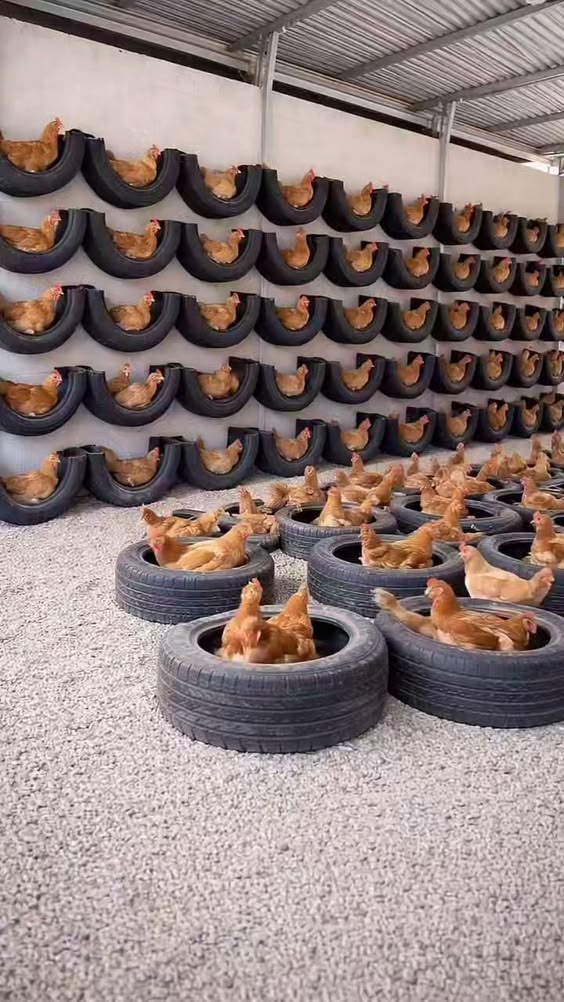
Sustainable farming and creative upcycling have become essential practices for modern homesteaders and poultry keepers. Finding innovative ways to repurpose discarded materials not only reduces environmental waste but also creates practical, cost-effective solutions for animal care. When viral photos showcasing unique agricultural setups—such as utilizing old car tires mounted on walls or laid out as individual nesting boxes for laying hens—circulate online, they capture widespread attention and admiration.
In this comprehensive guide, we explore the benefits of creative poultry housing, the importance of comfortable nesting boxes, tips for sustainable farm upcycling, and practical ways to improve your backyard coop management.
The Benefits of Innovative Poultry Housing
Designing an efficient, clean, and comfortable chicken coop is crucial for egg production, flock health, and disease prevention.
Why Hens Need Proper Nesting Boxes
Laying hens naturally seek out dark, secluded, and secure spaces to lay their eggs. Providing dedicated nesting areas minimizes stress, prevents broken or dirty eggs, and encourages consistent laying habits across the flock.
The Advantages of Repurposing Rubber Tires
Using clean, discarded rubber tires as DIY nesting boxes offers several unique agricultural advantages:
Durability and Weather Resistance: Rubber tires do not rot, warp, or degrade easily when exposed to moisture or chicken manure.
Easy Cleaning and Sanitization: Tires can be easily sprayed down, washed, and disinfected to prevent mites, lice, and bacterial buildup.
Comfortable Insulation: The rubber structure provides a semi-enclosed, cozy curved bowl that naturally cradles a nesting hen and holds soft bedding material like straw or wood shavings securely in place.
Sustainable Upcycling on Modern Homesteads
Repurposing materials is a cornerstone of sustainable agriculture, turning waste products into valuable functional tools.
Reducing Environmental Waste
Millions of scrap tires are discarded annually worldwide. Finding creative agricultural applications helps divert rubber from landfills while saving homesteaders money on commercial coop equipment.
Cost-Effective Farm Infrastructure
Building customized coops using salvaged materials allows small-scale farmers and backyard chicken keepers to maximize efficiency on a minimal budget.
Practical Ways to Set Up Repurposed Nesting Boxes
If you are inspired by creative coop designs and want to build or upgrade your own chicken nesting stations, consider these practical guidelines:
Select Clean Tires: Ensure any used tires are thoroughly washed, inspected for sharp embedded debris, and completely free of toxic chemicals before placing them in the coop.
Secure Wall Mounts Sturdily: If mounting tires vertically on coop walls, use heavy-duty brackets and bolts to support the weight of nesting hens safely.
Line with Soft Bedding: Fill each tire basin with clean straw, dry grass, or wood shavings to provide a comfortable cushion for laying eggs.
Maintain Easy Access: Arrange floor and wall tires in a layout that allows you to collect eggs quickly without disturbing resting birds.
Practice Regular Pest Control: Inspect rubber crevices periodically and dust bedding with food-grade diatomaceous earth to keep poultry mites at bay.
Fascinating Facts About Poultry Behavior and Coop Design
Natural Instincts: Domestic chickens retain many wild instincts from their junglefowl ancestors, including the strong drive to seek private, elevated, or enclosed spaces for egg-laying.
Rubber Longevity: High-grade automotive rubber can last for decades outdoors without losing its structural integrity, making it remarkably resilient for farm environments.
Community Nests: Hens frequently prefer sharing favorite nesting spots, often waiting in line for a specific box even when identical empty ones are right beside it!
Conclusion
Creative agricultural upcycling proves that practical solutions are often right under our noses—or in this case, rolling down our highways! Utilizing old tires as comfortable, durable nesting boxes for chickens is a brilliant example of sustainable farming ingenuity. By prioritizing flock comfort, cleanliness, and resourcefulness, backyard chicken keepers can build thriving, efficient coops.
Frequently Asked Questions (FAQ)
1. Are old car tires safe to use as chicken nesting boxes?
Yes, as long as the tires are thoroughly washed, cleaned of debris, and lined with thick, clean bedding like straw or wood shavings so the chickens do not come into direct contact with bare rubber.
2. How do you prevent mites in tire nesting boxes?
Regularly cleaning out old bedding, washing the rubber surface with soap and water, and applying natural poultry dust or diatomaceous earth helps keep pests away.
3. How many nesting boxes do laying hens need?
As a general rule of thumb, provide one nesting box for every 4 to 5 hens in your flock, though hens often share their favorite spots regardless.
4. What are the best materials to use inside chicken nesting boxes?
Clean straw, chopped hemp bedding, and wood shavings are excellent choices because they are absorbent, comfortable, and easy to replace.
