
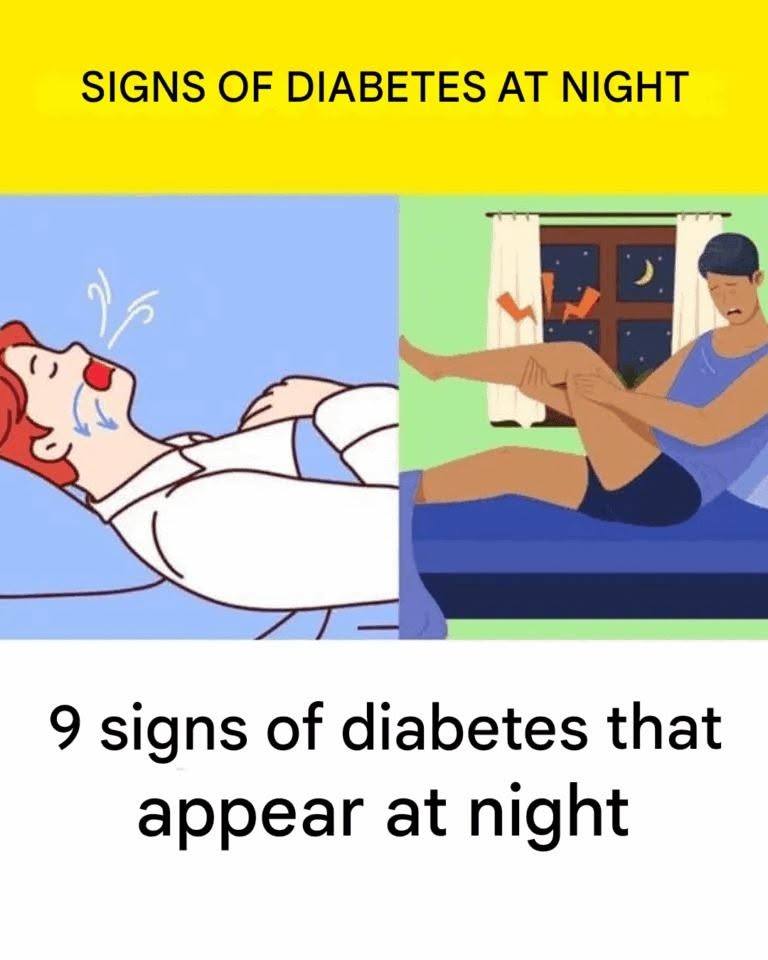
Diabetes is a chronic metabolic condition characterized by elevated blood glucose levels. While daytime symptoms such as fatigue, increased thirst, and frequent urination are widely recognized, blood sugar fluctuations frequently trigger distinct symptoms overnight. From waking up repeatedly to use the bathroom to experiencing painful leg cramps or night sweats, nocturnal signs provide crucial early clues about insulin resistance and glucose regulation.
Recognizing these nighttime warning signs early empowers individuals to seek medical evaluation, optimize blood sugar management, and improve sleep quality.
9 Common Nighttime Symptoms Associated with Diabetes
Elevated nocturnal blood sugar affects kidney filtration, nervous system health, and sleep architecture in specific, measurable ways.
+——————————————————————————-+
| NIGHTTIME DIABETES SYMPTOM MATRIX |
+————————–+—————————————————-+
| NIGHTTIME SYMPTOM | PHYSIOLOGICAL / METABOLIC MECHANISM |
+————————–+—————————————————-+
| 1. Frequent Urination | Kidneys purge excess glucose through urine (nocturia).|
| 2. Extreme Night Thirst | Dehydration caused by excessive nighttime fluid loss.|
| 3. Nocturnal Leg Cramps | Electrolyte imbalance and diabetic peripheral neuropathy.|
| 4. Night Sweats | Hypoglycemia (blood sugar drop) triggering adrenaline.|
| 5. Loud Snoring / Apnea | High prevalence of Obstructive Sleep Apnea (OSA). |
| 6. Restless Legs | Nerve irritation and impaired circulation in lower limbs.|
| 7. Insomnia / Waking Up | Blood sugar spikes disrupting sleep maintenance. |
| 8. Dry Mouth / Throat | Reduced salivary flow secondary to dehydration. |
| 9. Late-Night Hunger | Cellular energy starvation despite high blood sugar.|
+————————–+—————————————————-+
1. Frequent Nighttime Urination (Nocturia)
When blood sugar levels exceed normal thresholds, the kidneys filter excess glucose out of the bloodstream and excrete it into urine. This osmotic effect draws fluid from surrounding tissues, causing repeated urges to wake up and urinate throughout the night.
2. Extreme Nighttime Thirst (Polydipsia)
As the body loses significant fluid through frequent nocturnal urination, severe dehydration sets in. Waking up with an intense, unquenchable urge to drink water is a direct physiological response to fluid depletion.
3. Painful Leg and Calf Cramps
High blood sugar levels can damage blood vessels and peripheral nerves (diabetic neuropathy). Combined with electrolyte imbalances (such as loss of potassium, magnesium, and sodium from frequent urination), lower limb muscles contract involuntarily, causing painful leg cramps at night.
4. Night Sweats and Clammy Skin
While high blood sugar causes fluid loss, sudden nocturnal drops in blood sugar (hypoglycemia) trigger the brain to release stress hormones like adrenaline. This causes rapid heart rate, anxiety, and cold night sweats that leave bedding damp.
5. Loud Snoring and Sleep Apnea
Obstructive Sleep Apnea (OSA) is strongly linked with insulin resistance and Type 2 diabetes. Repeated pauses in breathing during sleep cause oxygen levels to drop, inducing stress responses that elevate morning blood glucose levels.
6. Restless Leg Syndrome (RLS) and Tingling
Diabetic neuropathy often manifests as burning sensations, “pins and needles,” or an uncomfortable, uncontrollable urge to move the legs while lying down in bed, making falling asleep difficult.
7. Fragmented Sleep and Insomnia
Fluctuating glucose levels throughout the night disrupt deep, restorative sleep cycles. High blood sugar causes restlessness, while low blood sugar wakes the body abruptly with adrenaline surges.
8. Waking Up with Extreme Dry Mouth
Chronic fluid loss combined with reduced salivary gland secretion leads to waking up with a parched, sticky mouth and throat, increasing the risk of oral thrush or dental cavities.
9. Late-Night Hunger (Polyphagia)
Without sufficient insulin or insulin sensitivity, cells cannot absorb glucose from the blood for energy. This cellular starvation triggers intense late-night food cravings, especially for refined carbohydrates.
Health, Financial, and Management Benefits
Monitoring and addressing nocturnal diabetes symptoms protects both long-term health and personal financial stability.
Preventing Microvascular and Neurological Damage
Early management of nighttime glucose fluctuations minimizes long-term nerve damage, kidney disease (nephropathy), and retinopathy, preventing major future medical expenses.
Improving Overall Daytime Productivity
Restoring undisturbed sleep lowers chronic inflammation, improves daytime glucose tolerance, and boosts daily energy, preventing lost productivity and work absences.
Practical Actionable Steps for Nighttime Blood Sugar Balance
Check Blood Sugar Before Bed: Monitor bedtime glucose to ensure levels are stable and safe from overnight spikes or dangerous hypoglycemic drops.
Limit Evening Carbohydrates and Caffeine: Avoid high-carb snacks, alcohol, and caffeine late in the evening to maintain stable glucose through the night.
Keep Hydration Balanced: Drink water consistently throughout the day, but taper fluid intake 1–2 hours before bedtime to reduce nocturia.
Consult a Doctor for an HbA1c Test: If you consistently experience these signs, schedule a medical appointment for formal blood sugar screening.
Fascinating Facts About Diabetes and Sleep
The Dawn Phenomenon: Between 2:00 AM and 8:00 AM, the human body naturally releases hormones like cortisol and growth hormone, which can cause morning blood sugar surges in diabetic individuals.
Glymphatic Clearance: Deep non-REM sleep allows the brain to clear metabolic waste; chronic sleep disruption impairs this vital neural maintenance.
Conclusion
Nighttime signs like frequent bathroom trips, night sweats, leg cramps, and dry mouth are clear physiological signals that blood sugar levels require attention. By identifying these warning signs and seeking timely medical evaluation, you can achieve better glucose control, protect your health, and enjoy restful, uninterrupted sleep.
Frequently Asked Questions (FAQ)
What is the most common sign of diabetes at night?
Waking up multiple times during the night to urinate (nocturia) paired with unquenchable thirst is the most frequent overnight indicator of high blood sugar.
Can high blood sugar cause night sweats?
High blood sugar itself typically causes dehydration, but rapid drops in blood sugar (nocturnal hypoglycemia) trigger adrenaline release, causing sweating and heart palpitations.
How many times waking up to pee indicates a potential problem?
Waking up 2 or more times per night consistently to urinate warrants a discussion with your healthcare provider to check fasting glucose and HbA1c levels.
Does sleep deprivation raise blood sugar?
Yes. Chronic sleep loss increases cortisol levels, which impairs insulin sensitivity and leads to higher blood glucose levels the following day.
