
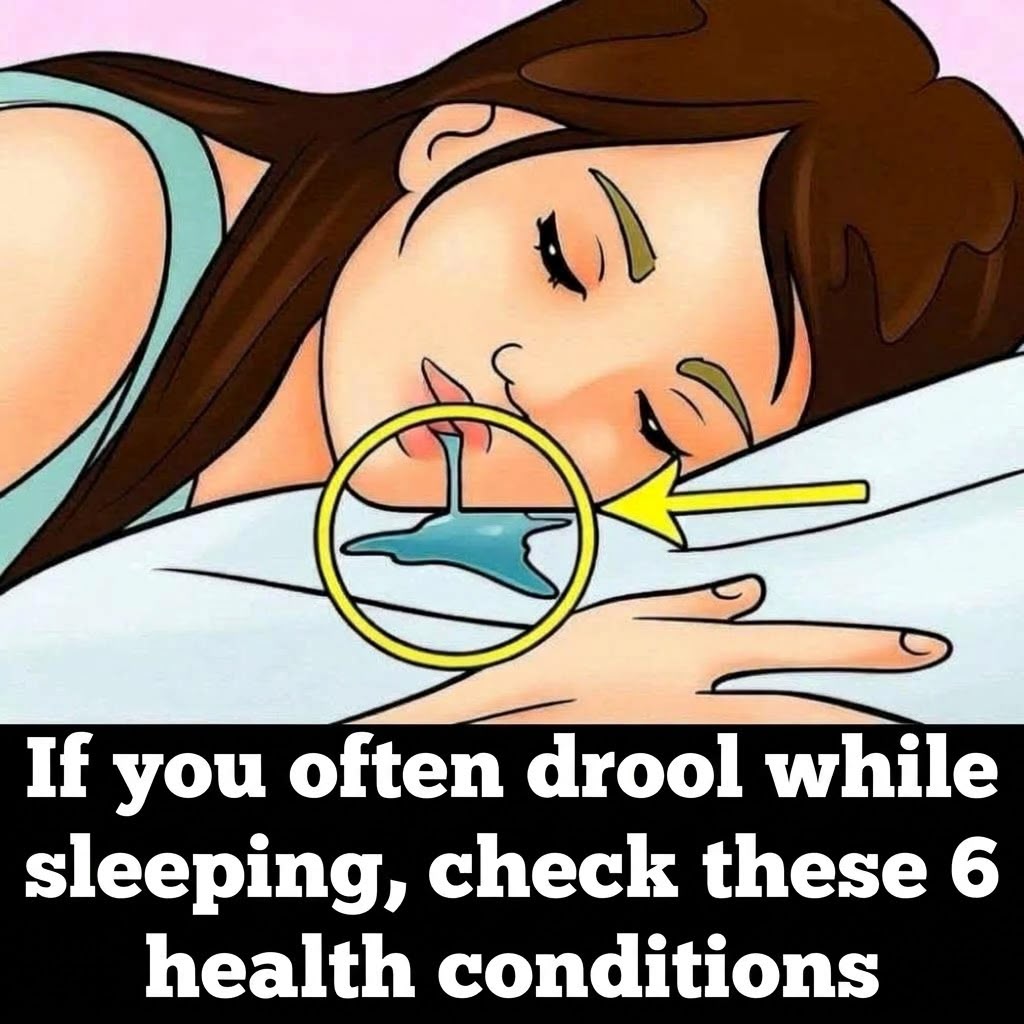
Waking up to a wet spot on your pillow is a surprisingly common experience that many people brush off as a minor inconvenience or an embarrassing sleeping quirk. Known in clinical terms as sialorrhea or nocturnal hypersalivation, drooling during sleep occurs when excess saliva escapes from the mouth while resting. While occasional drooling is usually harmless—often simply reflecting deep, restorative REM sleep or sleeping on your side—frequent, persistent drooling can serve as a direct communication signal from your body.
During deep sleep stages, facial muscles relax completely, and swallowing reflexes slow down naturally. If your nasal passages are clear and you sleep on your back, saliva collects harmlessly in the back of your throat and is swallowed automatically. However, when mouth breathing occurs or when underlying health issues disrupt normal airway clearance and saliva regulation, drooling increases significantly.
In this comprehensive guide, we will analyze the six primary medical conditions linked to nighttime drooling, explore how sleep posture impacts airway clearance, outline practical home solutions and medical treatments, and discuss how managing sleep health intersects with preventive medical care, insurance planning, and long-term financial security.
The 6 Health Conditions Linked to Nighttime Drooling
When evaluating why you or a family member frequently drools during sleep, physicians look closely at underlying physical, neurological, and respiratory factors.
1. Nasal Congestion and Blocked Airways
Nasal congestion is by far the most frequent cause of nighttime drooling. When your nasal passages become swollen or blocked due to seasonal allergies, sinus infections, a cold, or a deviated septum, your body automatically switches to mouth breathing during sleep. Keeping your mouth open while sleeping allows saliva that would normally be swallowed to pool and flow out onto your pillow.
2. Obstructive Sleep Apnea (OSA)
Obstructive Sleep Apnea is a serious sleep disorder characterized by repeated pauses in breathing throughout the night due to temporary airway collapse. People with sleep apnea frequently breathe through their mouth, snore loudly, gasp for air, and experience heavy nocturnal drooling. Over time, untreated sleep apnea increases cardiovascular risks, making early medical diagnosis vital.
3. Gastroesophageal Reflux Disease (GERD)
GERD occurs when stomach acid flows backward into the esophagus, irritating the delicate esophageal lining. In response to this acidic irritation, the salivary glands trigger a physiological reflex known as “water brash,” producing an overabundance of saliva to dilute and neutralize stomach acid. This excess saliva frequently leads to nighttime drooling.
4. Dysphagia (Swallowing Difficulties)
Dysphagia refers to difficulty swallowing or impaired neuromuscular coordination involved in moving saliva from the oral cavity into the esophagus. Conditions that cause sore throat, swollen tonsils, enlarged adenoids, or throat inflammation can temporarily impair the swallowing reflex, causing saliva to accumulate in the mouth overnight.
5. Neurological Conditions
Certain chronic neurological disorders affect the cranial nerves responsible for facial muscle tone and automatic swallowing functions. Conditions such as Parkinson’s disease, stroke, cerebral palsy, or amyotrophic lateral sclerosis (ALS) often cause impaired oral muscle control, leading to persistent daytime and nocturnal hypersalivation.
6. Side Effects of Prescription Medications
Certain prescription drugs stimulate excess saliva production (hypersalivation) as a secondary side effect. Medications frequently associated with increased drooling include certain antipsychotics (such as clozapine), Alzheimer’s medications (cholinesterase inhibitors), and certain antibiotics or heavy sedatives that cause extreme facial muscle relaxation during sleep.
Comparing Causes of Nighttime Drooling
Evaluating the primary characteristics of drooling triggers helps clarify when simple home adjustments are sufficient and when a medical checkup is recommended.
Underlying Condition Primary Visual / Physical Sign Secondary Symptoms Recommended Primary Action
Nasal Congestion / Allergies Persistent mouth breathing at night Stuffy nose, morning dry mouth, sneezing Nasal saline rinse, antihistamines, humidifier
Sleep Apnea (OSA) Loud snoring & gasping for air Morning headaches, daytime fatigue Sleep study exam & CPAP therapy consultation
Acid Reflux (GERD) Burning chest sensation / heartburn Sour taste in mouth, chronic throat clearing Elevate head of bed, diet changes, antacids
Medication Side Effect Constant heavy saliva production Starts after beginning a new prescription Consult prescribing doctor for dosage review
Neurological Impairment Reduced facial muscle control Swallowing difficulty & daytime drooling Neurological evaluation & speech therapy
Practical Home Tips and Solutions to Reduce Drooling
If your drooling is caused by mild nasal congestion, sleeping position, or minor reflux, implementing these evidence-based adjustments can yield significant improvement:
1. Shift Your Sleeping Posture
Sleeping on your side or stomach relies on gravity to draw saliva toward your lips, resulting in pillow wetness. Transitioning to sleeping on your back keeps saliva positioned toward the back of your throat, where normal swallowing reflexes manage fluid automatically throughout the night.
2. Clear Your Nasal Passages Before Bed
Ensure your nasal airways are open before going to sleep to encourage comfortable nose breathing.
Use a warm saline nasal spray or Neti pot to flush out dust and allergens before bedtime.
Take a warm shower before sleep to allow steam to loosen sinus congestion.
Use a cool-mist humidifier in your bedroom during winter months to keep air moist.
3. Elevate Your Head and Upper Body
Propping your head up with an extra firm pillow or using a wedge pillow keeps your airways open and prevents stomach acid from rising into the esophagus, curbing GERD-triggered excess saliva production.
4. Stay Adequately Hydrated
While it may seem counterintuitive, staying well-hydrated throughout the day thins saliva consistency, making it far easier for your throat to swallow naturally during sleep. Dehydration can cause thick, sticky saliva that irritates the throat and triggers excess production.
Integrating Sleep Health with Insurance and Financial Planning
Addressing sleep disturbances like persistent drooling, sleep apnea, or chronic acid reflux is an essential component of comprehensive personal health management.
Utilizing Preventive Healthcare and Insurance Benefits
If nighttime drooling is accompanied by loud snoring, waking up gasping for air, or daytime exhaustion, consulting a sleep specialist for an overnight sleep study (polysomnography) is a critical diagnostic step. Under most standard health insurance policies, specialist sleep evaluations, diagnostic testing, and prescribed medical equipment—such as Continuous Positive Airway Pressure (CPAP) devices—are covered preventive medical services. Taking advantage of these covered benefits ensures your sleep health is properly evaluated.
Protecting Your Long-Term Financial Stability
Untreated sleep disorders like obstructive sleep apnea increase long-term risks for hypertension, cardiovascular disease, and workplace fatigue accidents. Staying proactive about your health safeguards your daily productivity, protecting your personal finance goals, investment portfolio, and retirement savings. Securing comprehensive health, disability, and life insurance coverage provides complete financial protection for your household, ensuring peace of mind against life’s unexpected health events.
Fascinating Facts About Saliva and Sleep Biology
Massive Daily Production: The human body’s salivary glands produce between 0.5 to 1.5 liters of saliva every single day, with production naturally dropping to its lowest level during sleep.
Natural Oral Shield: Saliva contains essential enzymes, proteins, and minerals (like calcium and phosphate) that neutralize mouth acids, prevent tooth decay, and kill harmful oral bacteria.
The “Water Brash” Reflex: When acid reflux hits the lower esophagus, the autonomic nervous system triggers the salivary glands to pump out alkaline saliva rapidly to protect the throat from acid burns.
Dream State Muscle Paralysis: During REM (Rapid Eye Movement) sleep—the stage where vivid dreams occur—the brain initiates atonia, a temporary paralysis of voluntary skeletal muscles that prevents you from acting out dreams, which also relaxes jaw muscles completely.
Conclusion: Listening to Your Body’s Nighttime Signals
Waking up with a drool-stained pillow is a common experience that usually points to simple factors like sleeping posture or a temporary stuffy nose. However, when drooling becomes a frequent, heavy occurrence, taking time to evaluate potential underlying causes like sleep apnea, acid reflux, or medication side effects is essential for long-term health.
By adjusting your sleeping position, clearing your nasal passages, maintaining good oral hydration, and consulting a healthcare professional when warning signs appear, you can enjoy restful, restorative sleep and protect your well-being for years to come.
Frequently Asked Questions
Is drooling while sleeping a good sign of deep sleep?
In many cases, yes. Drooling often indicates that your body has entered deep REM sleep, causing your facial muscles and jaw to relax completely. However, if drooling is heavy, frequent, or accompanied by snoring, it may indicate breathing obstructions rather than simple restful sleep.
Can sleep apnea cause heavy nighttime drooling?
Yes. Obstructive Sleep Apnea forces individuals to breathe continuously through their mouth due to upper airway collapse. Breathing through an open mouth while sleeping leads to excessive dry mouth and heavy saliva leakage onto pillows.
How does acid reflux trigger excess saliva at night?
When stomach acid flows upward into the esophagus (GERD), it stimulates a protective vagal nerve reflex called “water brash.” This reflex prompts the salivary glands to produce large quantities of alkaline saliva to help neutralize esophageal acid.
What is the best sleeping position to stop drooling?
Sleeping on your back (supine position) is the most effective position to stop drooling. Gravity naturally pulls saliva toward the back of the throat, triggering the automatic swallowing reflex and preventing saliva from escaping through the lips.
When should I see a doctor about drooling?
You should consult a doctor if drooling occurs suddenly alongside difficulty swallowing, facial weakness, severe daytime sleepiness, loud snoring, choking during sleep, or if it began after starting a new prescription medication.
